S’engager dans un projet de protection de la vie marine, c’est choisir de protéger les océans, la mer, le littoral et toute la biodiversité marine. Aujourd’hui, l’environnement marin fait face à de nombreuses menaces : pollution, déchets, produits chimiques, surpêche, artificialisation du littoral, pression du tourisme, hausse des températures liée au changement climatique. Ces phénomènes accélèrent la dégradation des écosystèmes marins et ont des conséquences directes sur la planète, sur les populations locales et sur l’avenir de nombreuses espèces.
Avec Freepackers, vous pouvez rejoindre des projets de volontariat concrets qui participent activement à la conservation des milieux marins et à la sauvegarde des espèces marines. En vous impliquant sur le terrain, vous découvrez le rôle des ONG et initiatives locales dans la lutte contre la dégradation des mers et les océans, tout en vivant une expérience forte au contact de la nature.
Une question simple mais qui permet de se rendre compte du rôle des océans. Protéger les océans, c’est protéger l’équilibre du monde vivant et la planète. Parce que les écosystèmes marins :
Lorsque les fonds marins, les côtes ou les récifs coralliens sont abîmés, c’est tout un ensemble qui se fragilise, ce qui peut constituer une menace pour l’équilibre d’une région.
En vous engageant sur nos programmes, vous participez à des actions concrètes de conservation et de sensibilisation car la lutte pour la protection des mers et des océans passe par des gestes simples mais essentiels.
Sur un projet de préservation des écosystèmes marins, les missions peuvent prendre différentes formes selon le pays, la saison et les besoins locaux. Vous pouvez contribuer à :
En Espagne, par exemple, vous pouvez participer à un projet de défense et de protection des fonds marins à Barcelone, via l’étude de la biodiversité marine et la collecte de données.
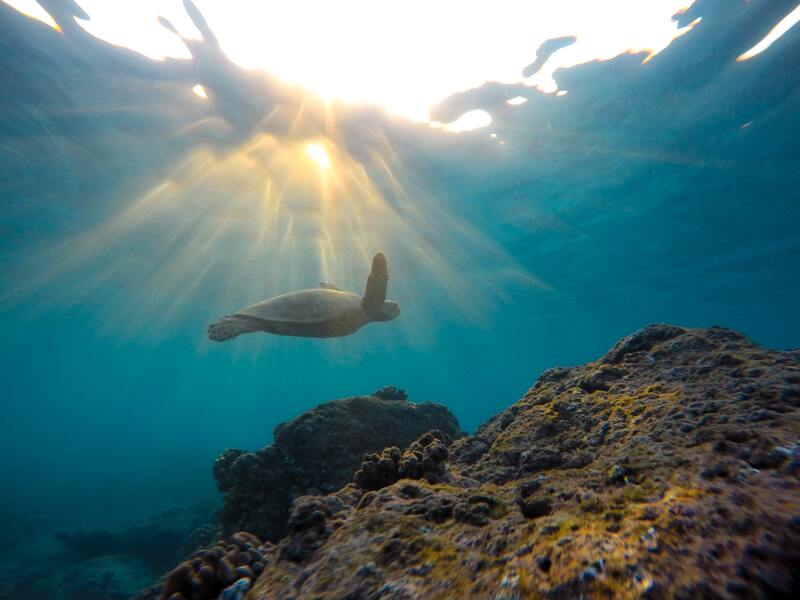
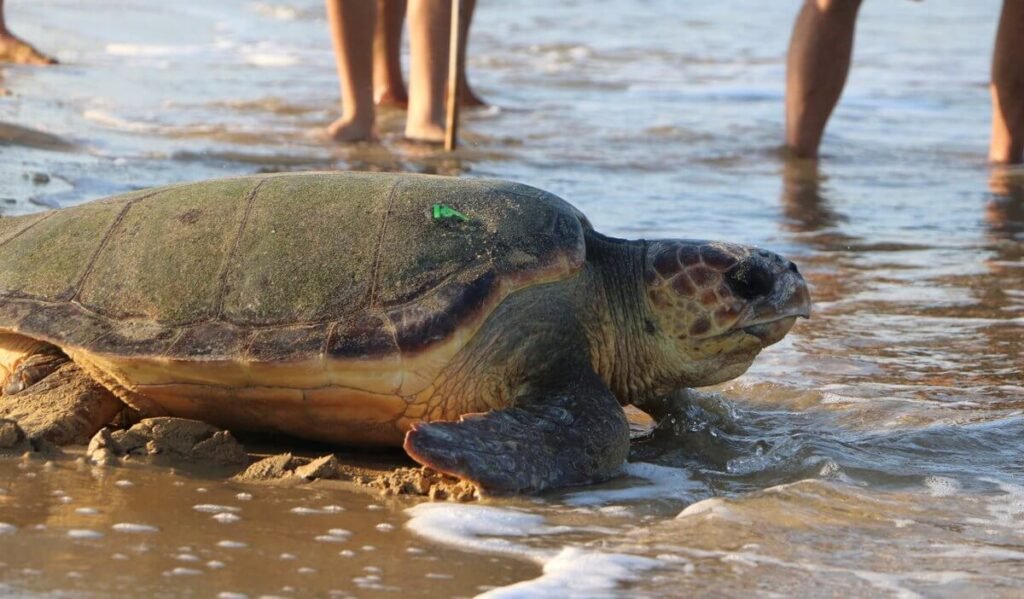
À Zanzibar, un programme est dédié à la conservation des tortues marines pour favoriser leur retour dans leur environnement naturel. Freepackers propose aussi des projets de protection de la vie marine en Indonésie, au Portugal, en Italie, en Croatie, en Grèce, au Costa Rica, au Cap Vert, au Sri Lanka, au Mozambique ou encore en Afrique du Sud.
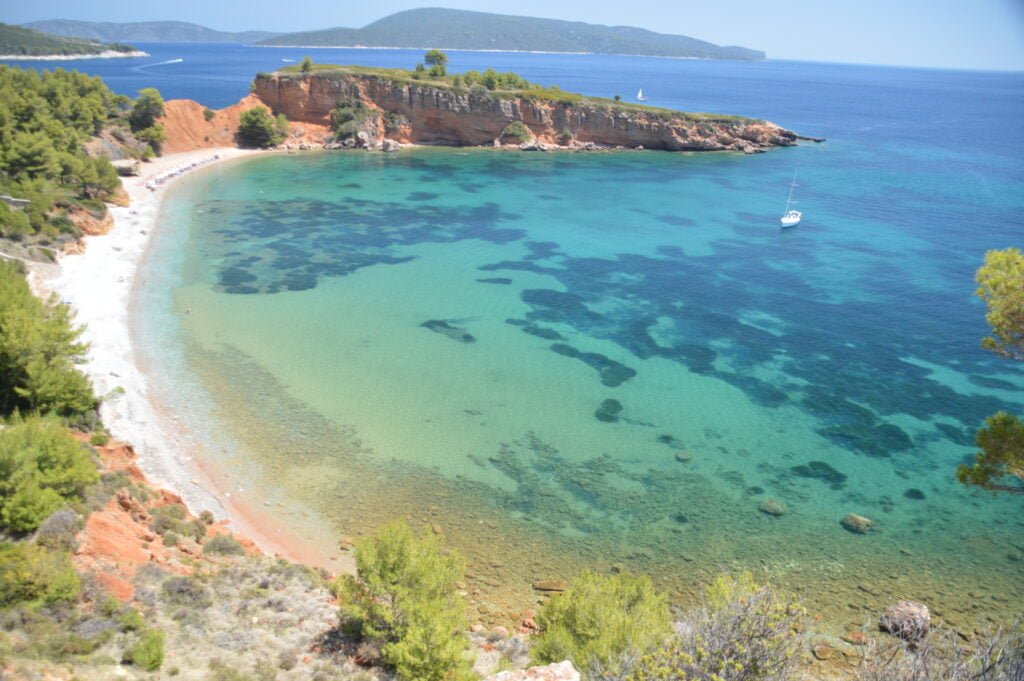
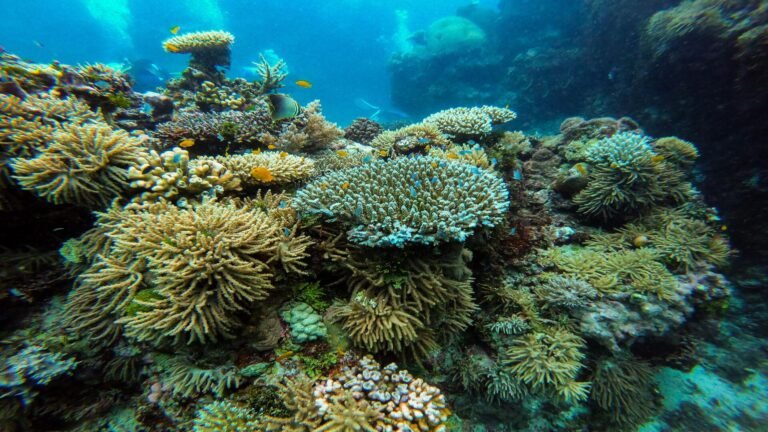
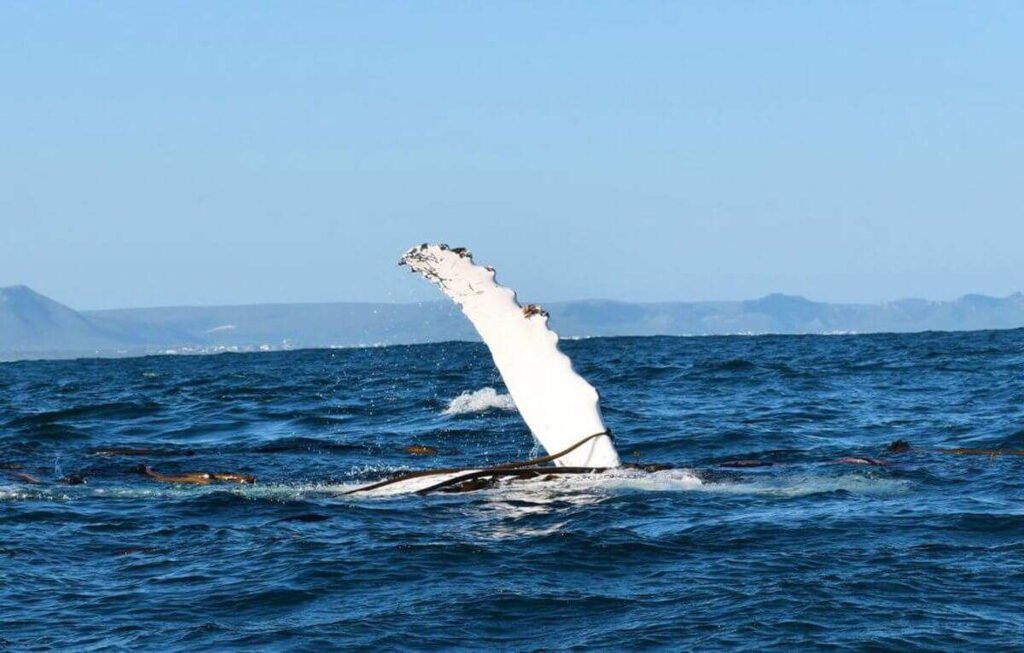
Selon les destinations, les missions peuvent concerner les plages, les zones côtières, les herbiers, les habitats marins, les récifs coralliens, la protection des cètacés ou des tortues marines. Certains projets sont davantage centrés sur la sensibilisation, d’autres sur la recherche scientifique ou la participation à la surveillance d’espèces.
Tous ont en commun de vous faire découvrir les réalités du terrain, au plus près de la mer et de la nature, dans des lieux où les besoins de protection de la vie marine sont bien réels. Car nous pouvons toutes et tous agir à notre niveau afin d’inverser la tendance !
Chez Freepackers, la priorité est de proposer des missions utiles, concrètes et cohérentes avec les besoins locaux. C’est pourquoi la coopération internationale avec des partenaires locaux et des ONG au plus proche du terrain est essentielle.
La préservation des mers et océans demande de la continuité, une bonne connaissance du territoire et un dialogue permanent avec les acteurs locaux. Nos actions servent au développement de projets sur le long terme pour assurer un avenir durable aux communautés locales et des espèces marines.
Participer à un projet en milieu marin, c’est aussi prendre de bonne habitudes pour agir au quotidien. Parmi les bons conseils à retenir :
Ces gestes ne remplacent pas l’action collective, mais ils renforcent la cohérence de votre engagement.
Sur place l’équipe locale vous forme aux gestes de sécurité et aux techniques pour mener à bien votre mission.
S’engager sur un projet de protection marine avec Freepackers, c’est donc vivre une expérience utile, formatrice et humaine, tout en contribuant à la lutte contre la dégradation de la biodiversité des mers, des océans et des espèces marines.