Teaching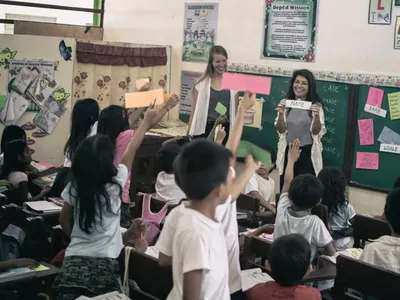
Philippines, Palawan5(1)
Education project in Palawan schools
- Duration
- 2 to 12 weeks
- Age
- From 18 years old
from €1,050 for 2 weeks
Philippines
Volunteer in Palawan, Philippines: help build educational infrastructure, teach students and protect the environment, particularly mangroves, alongside locals.
3 programmes in this country
The Philippines is an archipelago in Southeast Asia made up of over 7,000 islands, 2,000 of which are inhabited.
The Philippines is one of the world’s biodiversity hotspots and hosts a variety of endemic species of both flora and fauna. Some of these endemic animal species include the Philippine tarsier, one of the smallest primates, the Philippine eagle, also known as the monkey-eating eagle, the tamaraw, a small buffalo species and the Palawan peacock-pheasant, among many others. The Philippines is home to diverse ecosystems ranging from tropical rainforests and mangrove forests to coral reefs and high mountain ranges.
The Philippines also has a very rich culture with indigenous, Spanish, American and Asian influences. There are over 170 languages spoken, though the official languages are Filipino and English.
Philippines, Palawan5(1)
from €1,050 for 2 weeks
Philippines, Palawan5(1)
from €890 for 2 weeks
Philippines, Palawan5(2)
from €1,090 for 2 weeks

Responsible travel by Freepackers
Not looking to volunteer?
No project to join here: you discover the country with local guides and hosts, at your own pace.
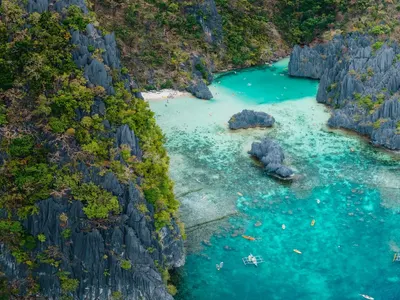
Palawan, an archipelagic province of the Philippines located in the vast MIMAROPA region, has Puerto Princesa as its capital. Renowned as one of the country’s top destinations, it is regularly ranked among the best islands in the world. The island is dotted with fishing villages and fringed by a magnificent blue sea, while its landscapes are characterised by verdant mountains emerging from the jungle.
The Philippines is known as the “Texting Capital of the World” due to the affordable availability of prepaid mobile phones and SMS promotions. One of the most popular modes of public transport is the jeepney, made from refurbished military jeeps left by the United States after World War II.
Although English is an official language and is widely spoken, especially in urban areas, learning some Filipino will also be immensely useful in connecting with the local communities. Be open to stepping outside your comfort zone as well.
The Philippines has a tropical climate, though it varies slightly depending on the time of year and location, so be sure to check the weather before you arrive and pack accordingly. Check with your healthcare professional and the Pasteur Institute about any and all vaccines or medications that may be recommended before coming.
All of the projects are very safe and you will have 24/7 emergency assistance. Nevertheless, you should always be cautious when in an unfamiliar area as petty theft such as pickpocketing can occur.
Be sure to stay updated on travel advisories as well and get any recommended vaccines or medications.
During your humanitarian trip to the Philippines, a committed team will be at your side to facilitate your immersion and guide you in carrying out your humanitarian projects. By working alongside local residents, you’ll be helping to improve living conditions while building lasting relationships. Use your skills and energy to make a real impact while enjoying an unforgettable humanitarian experience in the Philippines.
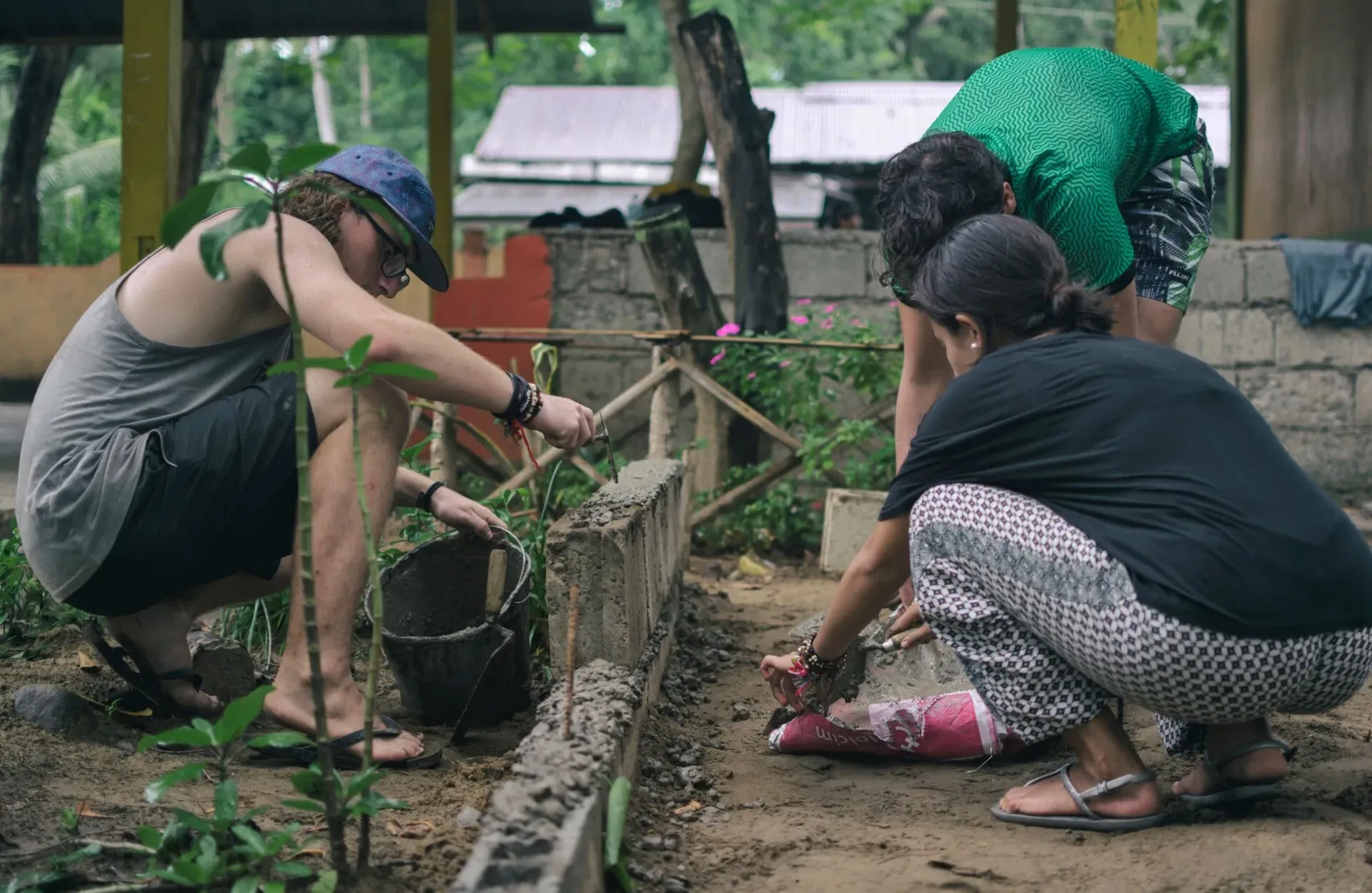
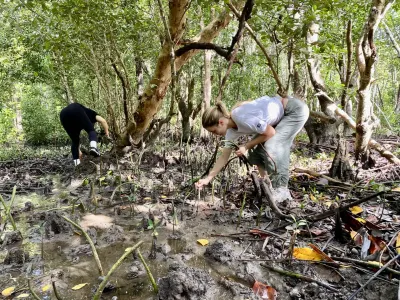
Explore our initiatives in Palawan, offering everyone a unique opportunity to make a positive contribution to the local community. Whether it’s building educational infrastructure, teaching students or protecting and raising awareness of the environment, particularly mangroves, you will be making a real difference.
So, why not you?Travel to be useful, on ground we know.Find my programme