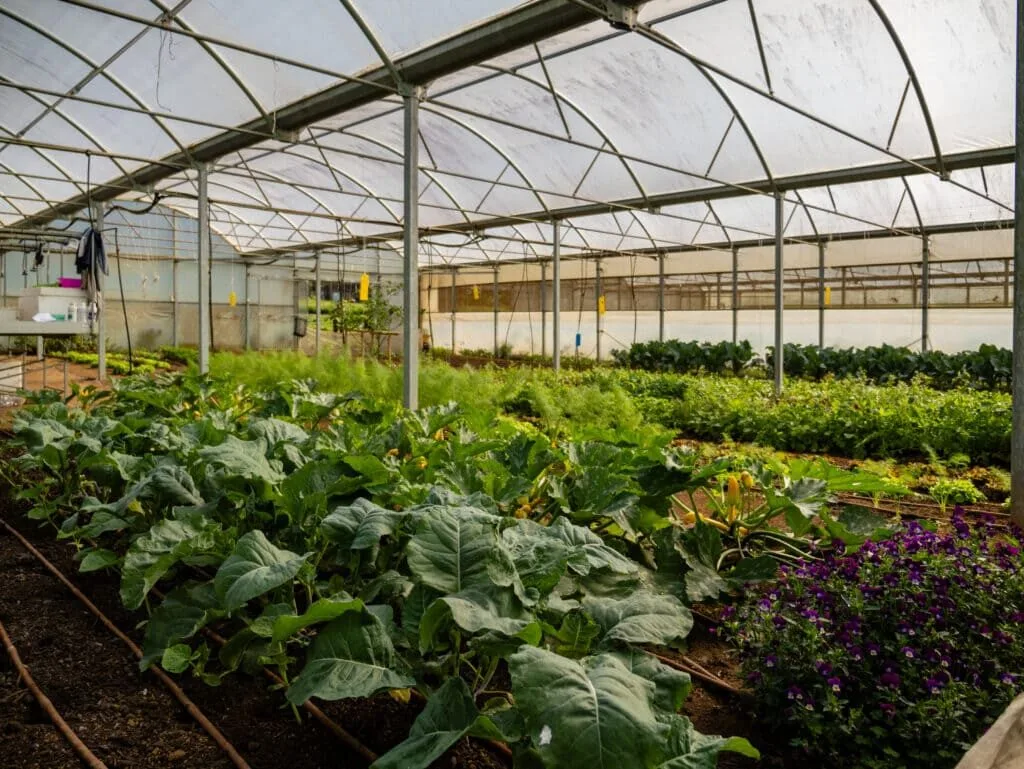
Permaculture, agroécologie et environnement… Ces missions immersives permettent d’observer des techniques de culture innovantes dans un cadre respectueux de l’environnement et des écosystèmes.
Ce type de mission convient particulièrement aux personnes en quête d’une expérience terrain et d’un apprentissage auprès des communautés locales.
En intégrant nos projets de permaculture vous partez pour des expériences engagées pensées avec des partenaires locaux pour allier immersion, impact et découverte.
L’intérêt d’un projet en permaculture, c’est la variété des missions. Selon la saison et les besoins du moment, voici les missions plus fréquentes :
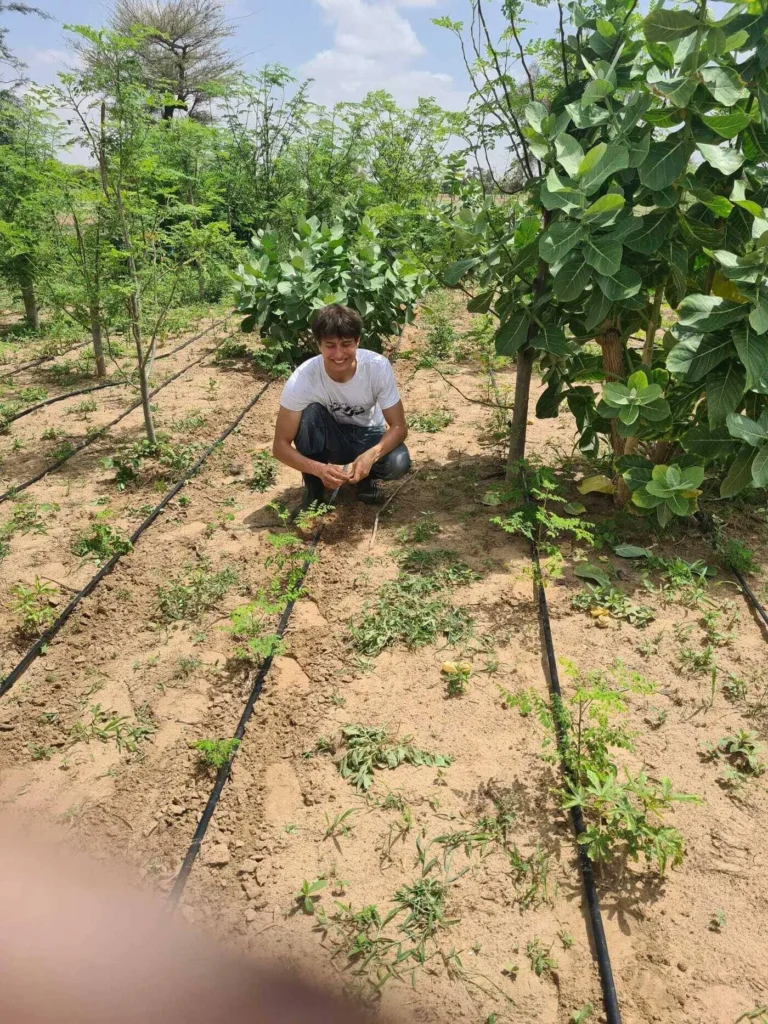
Ces missions permettent d’approcher la permaculture par l’observation et la pratique. Vous découvrez comment mieux organiser les cultures, préserver la fertilité du sol, penser les plantations selon les saisons et réduire le gaspillage.
Voyez comment une ferme réussit à associer agriculture, inclusion sociale, respect du vivant, de la nature et de la vie locale.
Le partage se fait dans les deux sens. Vous soutenez les activités de la ferme, en échange les locaux vous apporteront leurs connaissances, un encadrement sérieux et une réelle immersion dans le pays.
Les programmes de permaculture se déroulent généralement dans des structures à taille humaine. Il peut s’agir d’une ferme bio, d’une micro ferme, d’une coopérative ou d’un centre pédagogique.
Vous expérimentez concrètement le travail en équipe, les relations avec la population locale et le quotidien d’une structure qui développe des pratiques agricoles responsables.
Ce contexte est favorable à un apprentissage réel, grâce à des échanges permanents et authentiques avec les communautés locales qui vous accueillent.
Si vous souhaitez suivre un stage ou d’une formation plus approfondie, nous vous encourageons à consulter le site de Real Step qui recence des stages en permaculture, protection environnementale, soins animaliers, etc.
Retrouvez nos stages environnementaux.
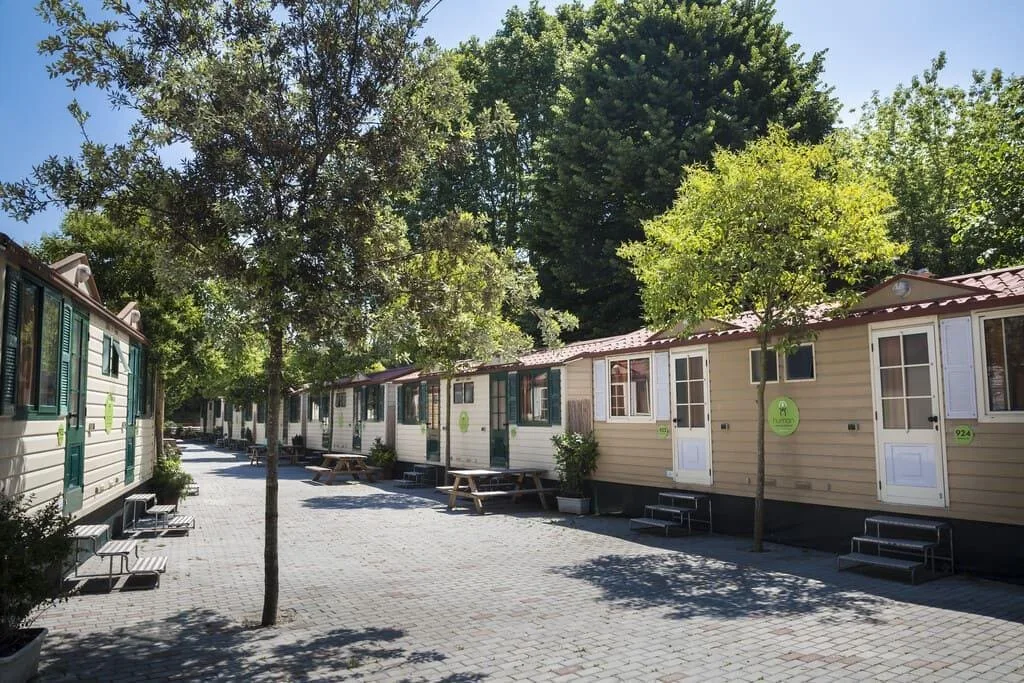
Les conditions varient selon la destination, mais généralement les participants sont logés au sein même de la structure d’accueil ou dans une maison de volontaires à proximité. Sur certains projets, les repas sont également inclus ou partiellement prévus.
Les informations pratiques sont descrites dans les pages programmes et dans la brochure détaillée de chaque projet. Pour une bonne préparation, pensez à les consulter.
Il est aussi important de souligner qu’une bonne condition physique est recommandée. Les missions permaculture se déroulent en extérieur, incluent des tâches manuelles, debout et parfois sous le soleil. Une expérience agricole préalable n’est généralement pas requise, mais il faut être prêt à participer activement, en autonomie et à s’adapter au rythme du projet.
Un coordinateur local est toujours présent aux côtés des volontaires. Nous travaillons avec des organismes et ONG partenaires de confiance qui assurent un encadrement et une supervision solide et permanente des participants.
Une mission en permaculture implique en principe du temps dehors, du contact avec la terre, de l’humidité ou du soleil. Voici les essentiels à prévoir :
Le meilleur conseil reste de voyager léger. Vous alternez entre les missions, du repos et la découverte du pays. Surtout bien porter des vêtements adaptés à la vie quotidienne en ferme.
Les destinations sont variées : Portugal, Açores, Vietnam, Kenya, Irlande et Italie. Il est donc possible de partir sur un projet de permaculture dans des cadres très différents, que vous partiez seul, en groupe ou en famille.
Participez à la vie d’une ferme et contribuez à des pratiques respectueuses de l’environnement avec Freepackers. Partez à l’aventure sur nos projets permaculture !