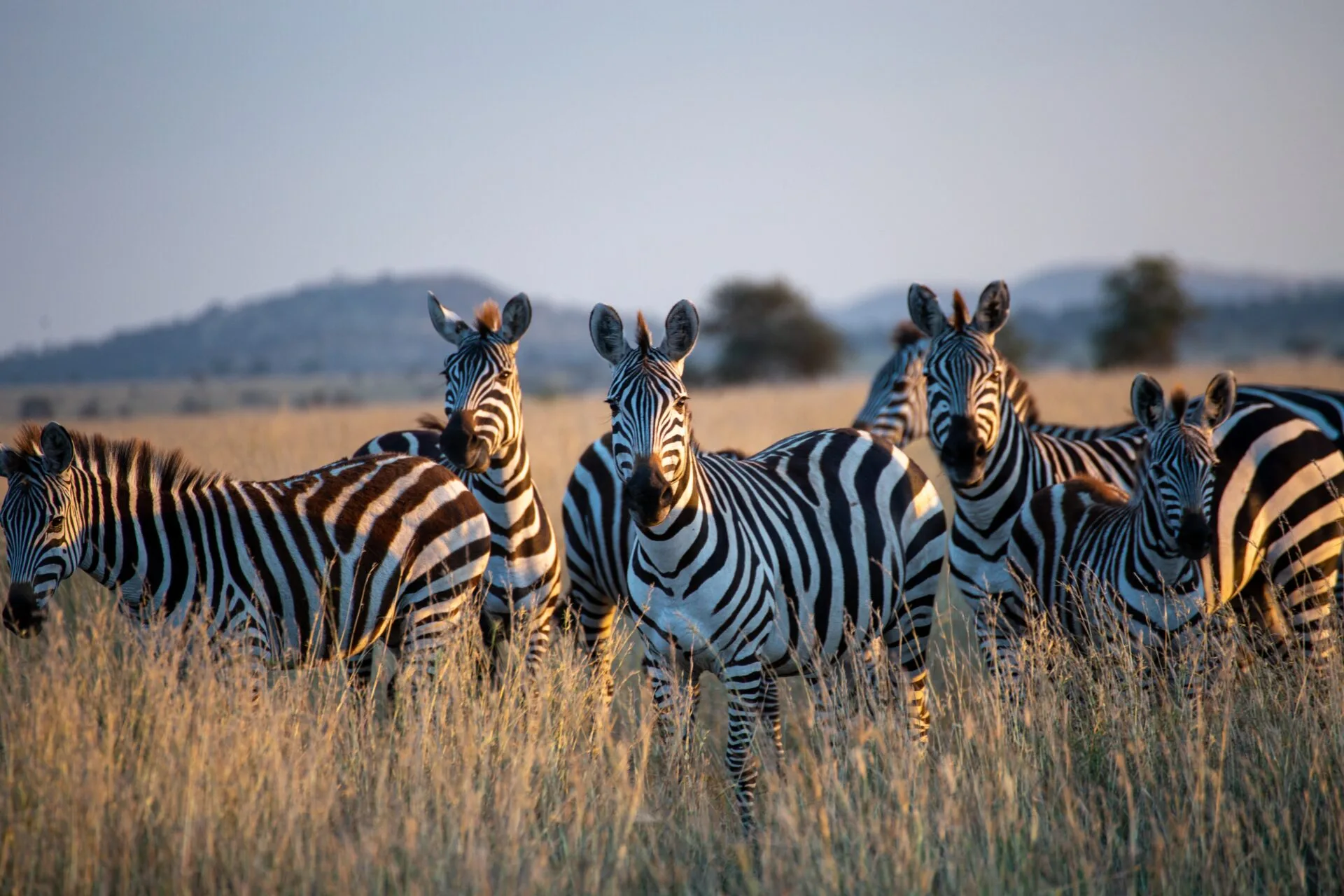
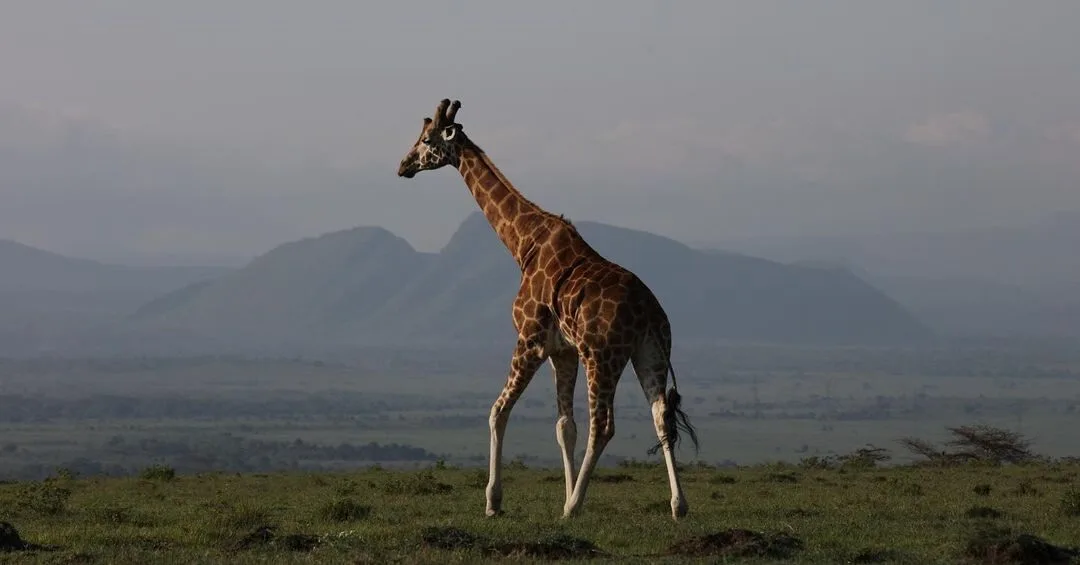
Open to young people aged 15 to 17, this summer camp in Kenya gives you the opportunity to contribute to a volunteer project in a wildlife reserve! During free time, the program also offers supervised activities to discover the country and its culture.
Join a team committed to protecting wildlife in a regional nature reserve.
During this project, participants will work alongside the local team and take part in:
This is a unique opportunity to raise awareness about environmental issues, wildlife protection, and cultural openness.
Constant supervision is provided and a group leader is present to meet the participants’ needs at all times.
It’s also the perfect opportunity to improve your English through interactions with local communities and other program participants.
During the trip, participants will be able to take part in activities with the rest of the group during evenings and weekends.
Here are some of the activities generally offered:
This program is available on the following dates:
Duration in weeks | Total mission budget |
|---|---|
2 weeks | 1400 € |
Upon arrival, a project coordinator will be waiting for you with a sign bearing your name, and will accompany you to your accommodation where you will be greeted by the rest of the team and meet all the participants in the program. You will also have the chance to take an introductory Swahili course (the official language of Kenya).
On the second day, you will have an introduction to Maasai culture to familiarize yourself with the local culture.
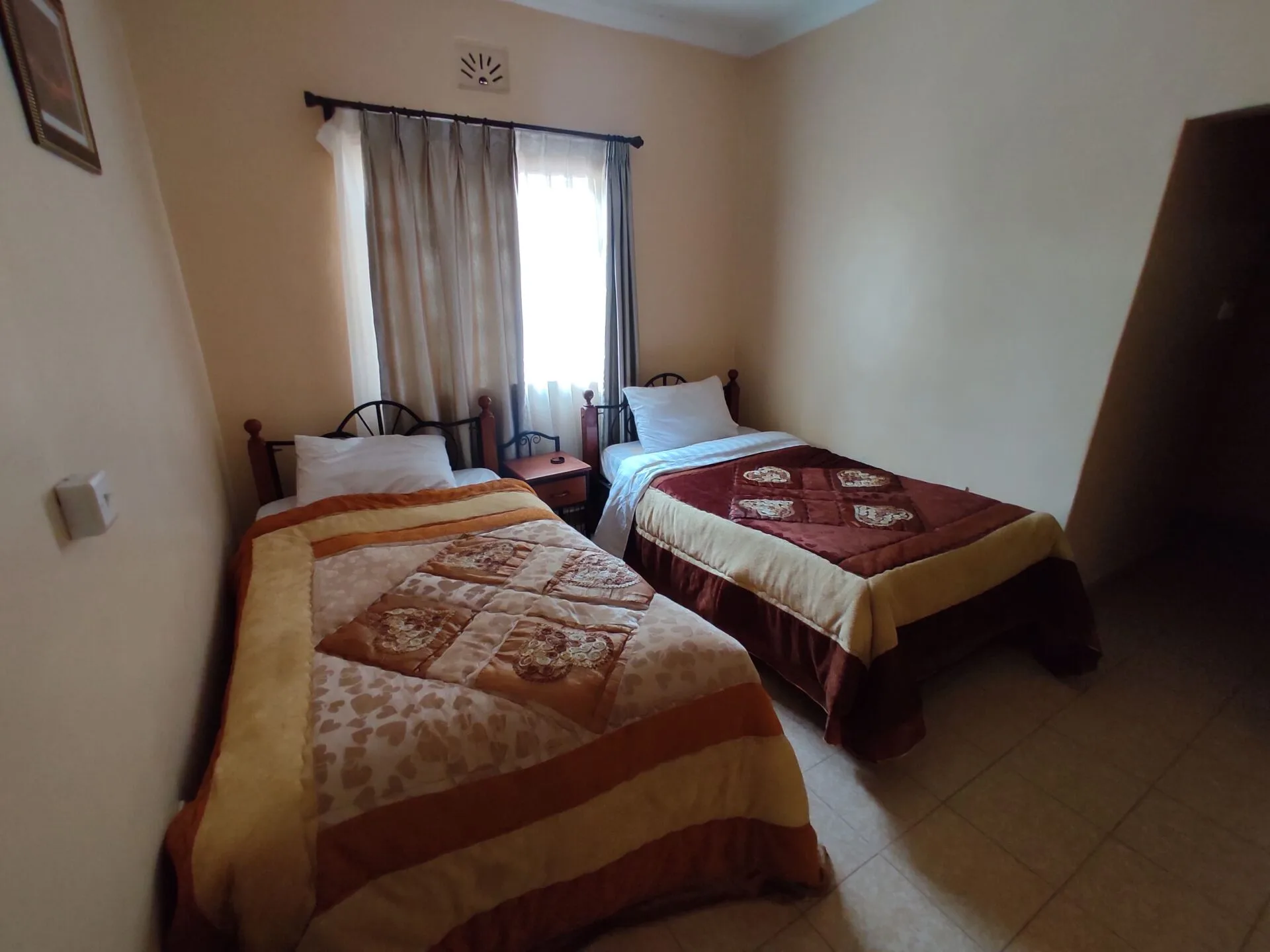
You will stay in shared rooms with the other minors participating in the program.
A dedicated coordinator will be available on-site 24/7 for all the projects.
All meals (breakfast, lunch, and dinner) are provided.
For any international project, Freepackers requires travel insurance covering accidents, illness and repatriation, including civil liability for professional activities abroad.
For full protection while studying or interning abroad, you can take out Cap Student insurance online via this link Student insurance abroad | Chapka Assurances, which gives you a 5% discount.
If you choose another insurance provider, we will ask you to send us a copy of your insurance certificate in English.
Reach the language level your international project requires with tailored support. The Clic-campus method Free Packers X Clic Campus foreign language courses combines live video lessons with an innovative e-learning platform, fully flexible from home.
The Nakuru region, located in the Rift Valley, has a temperate climate with temperatures ranging from 12 to 30°C.
Mornings and evenings are cool, especially between June and August. Bring warm, layered clothing (fleece, light jacket) and a raincoat.
The climate varies by season: June to October (cool and dry season), March to May (rainy season).
Meals, accommodation, activities, and transfers are included.
Pocket money is only for souvenirs and snacks. We recommend exchanging money at the airport or withdrawing cash from an ATM near the center. US dollars are easy to exchange locally, and ATMs are available in Nakuru.
Bank cards work, but additional fees may apply.
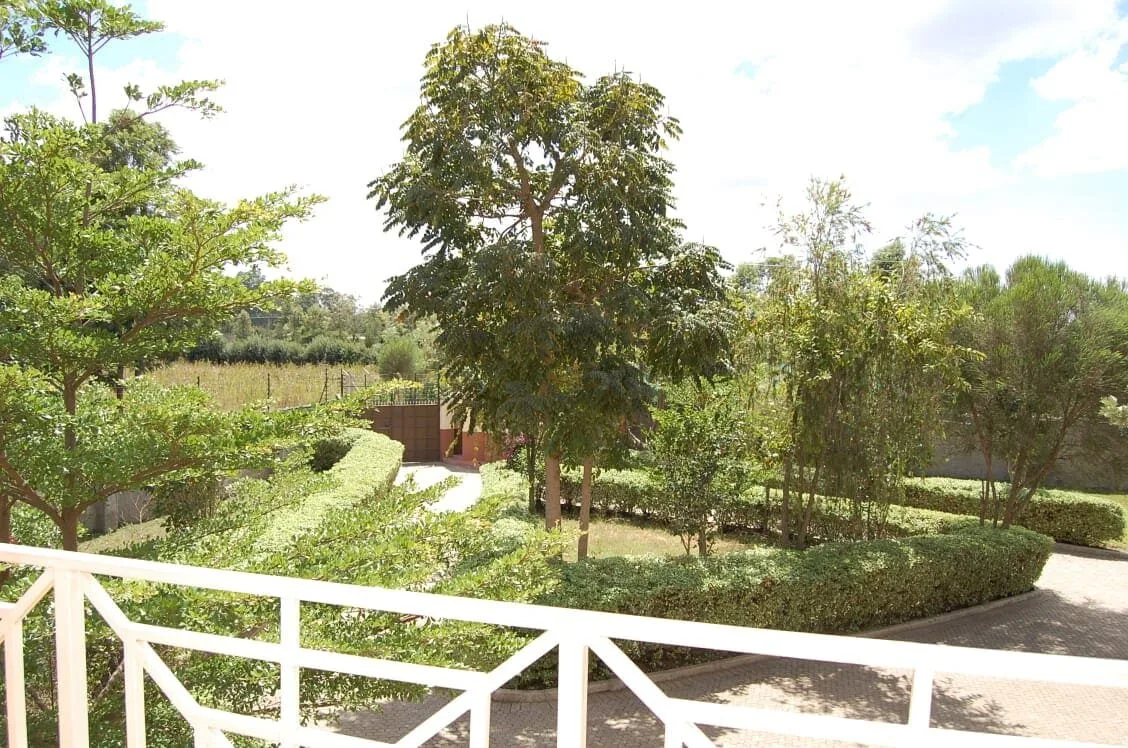
Participants will stay in shared accommodation in Nakuru. Rooms are single-sex dormitories. Meals (3 per day) are included. Food is a balanced mix of local and Western dishes.
Wi-Fi is available in the accommodation, but it is recommended to have a local SIM card or an eSIM (e.g., Airalo) for more reliable connectivity.
An official WhatsApp group will be set up for communication and updates during the stay. Parents will receive trip photos via the local coordinator. Parents can ask questions through the official WhatsApp group.
Arrival is at Jomo Kenyatta International Airport in Nairobi.
A member of the local team will welcome each participant with a name sign. The transfer to Nakuru takes around 3 to 5 hours depending on traffic.
Arrival is at Jomo Kenyatta International Airport in Nairobi.
A member of the local team will welcome each participant with a name sign. The transfer to Nakuru takes around 3 to 5 hours depending on traffic.
Most youth camps follow a similar structure:
First day: upon arrival, teens are welcomed by the staff, introduced to the other participants, and given a tour of the facilities to help them feel comfortable.
Monday to Friday:
Weekend: excursions and visits to explore more of the country and practice the language in real-life situations.
Registering for a summer camp abroad is generally done in several steps:
Of course! Whatever your academic track, you can take part.
Our 10th-grade internships abroad cover a wide range of areas that positively impact local communities. You can choose to take part in: