5 destinations · Encadrement 24h/24 · Repas et logement inclus · Dès 15 ans · Certifié B Corp
Un summer camp humanitaire Freepackers, c’est 2 semaines de terrain pour protéger des espèces menacées, vivre en communauté internationale et rentrer avec quelque chose de concret à raconter — à ses amis, dans ses lettres de motivation, et sur Parcoursup.
Voir les 8 programmes de summer camp humanitaire 2027 :
Une colo apprenante à l’étranger, c’est différent d’une colonie de vacances classique et différent du volontourisme. C’est un programme court, encadré, avec un projet de terrain réel : protection des tortues marines, soin aux éléphants rescapés, conservation de la faune sauvage.
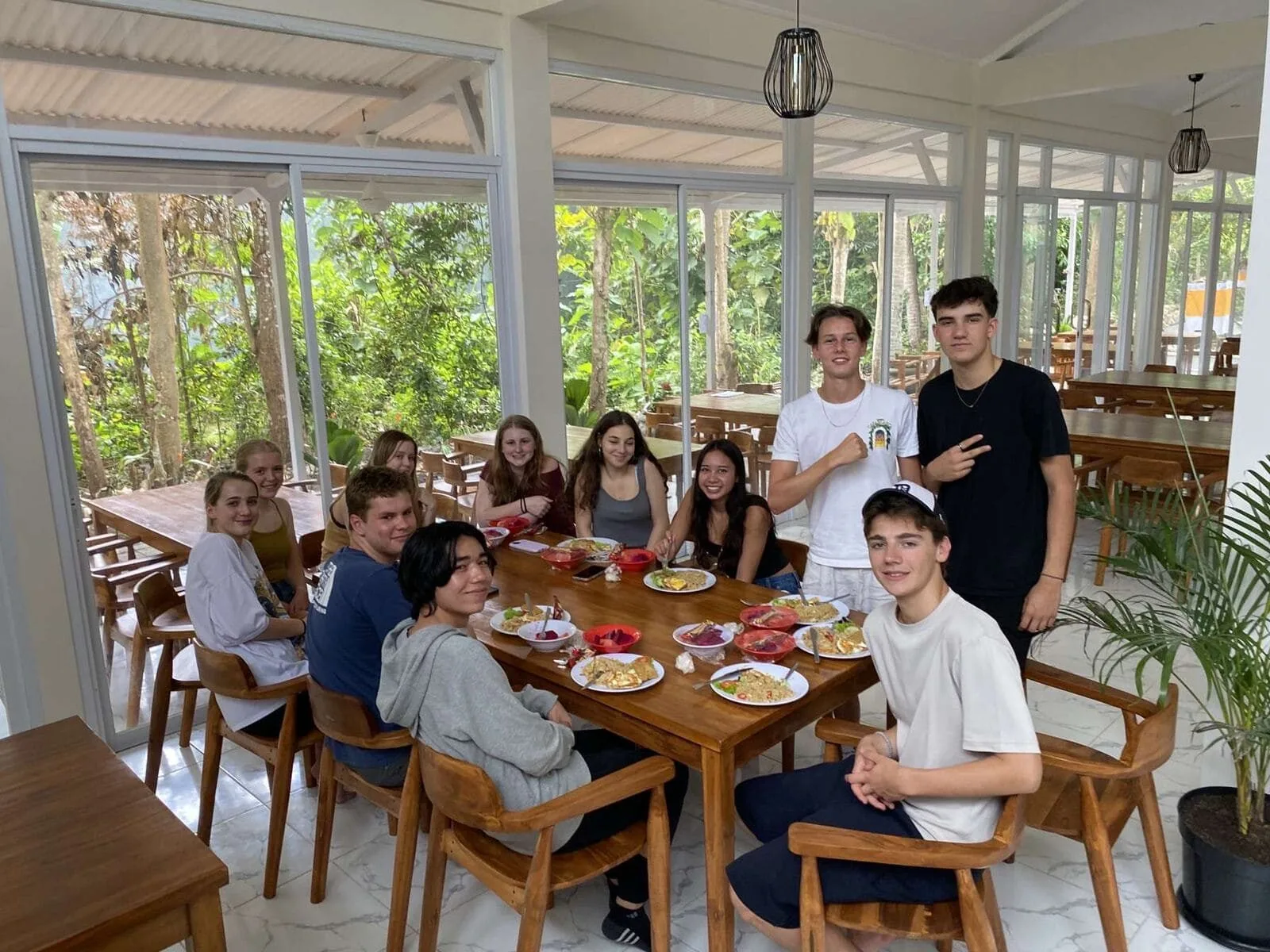
Tes 2 semaines sont structurées autour d’un emploi du temps concret : travail sur le projet le matin, activités culturelles et découverte du pays l’après-midi. Le tout avec un groupe de jeunes du même âge — aucun adulte dans le groupe, seulement des 15-17 ans.
Ce n’est pas un stage humanitaire pour se donner bonne conscience. C’est un programme construit avec les partenaires locaux pour répondre à un besoin réel, vérifié sur place par l’équipe Freepackers. On ne t’envoie pas “aider” une communauté. On t’intègre à un projet qui existait avant ton arrivée et continuera après ton départ.
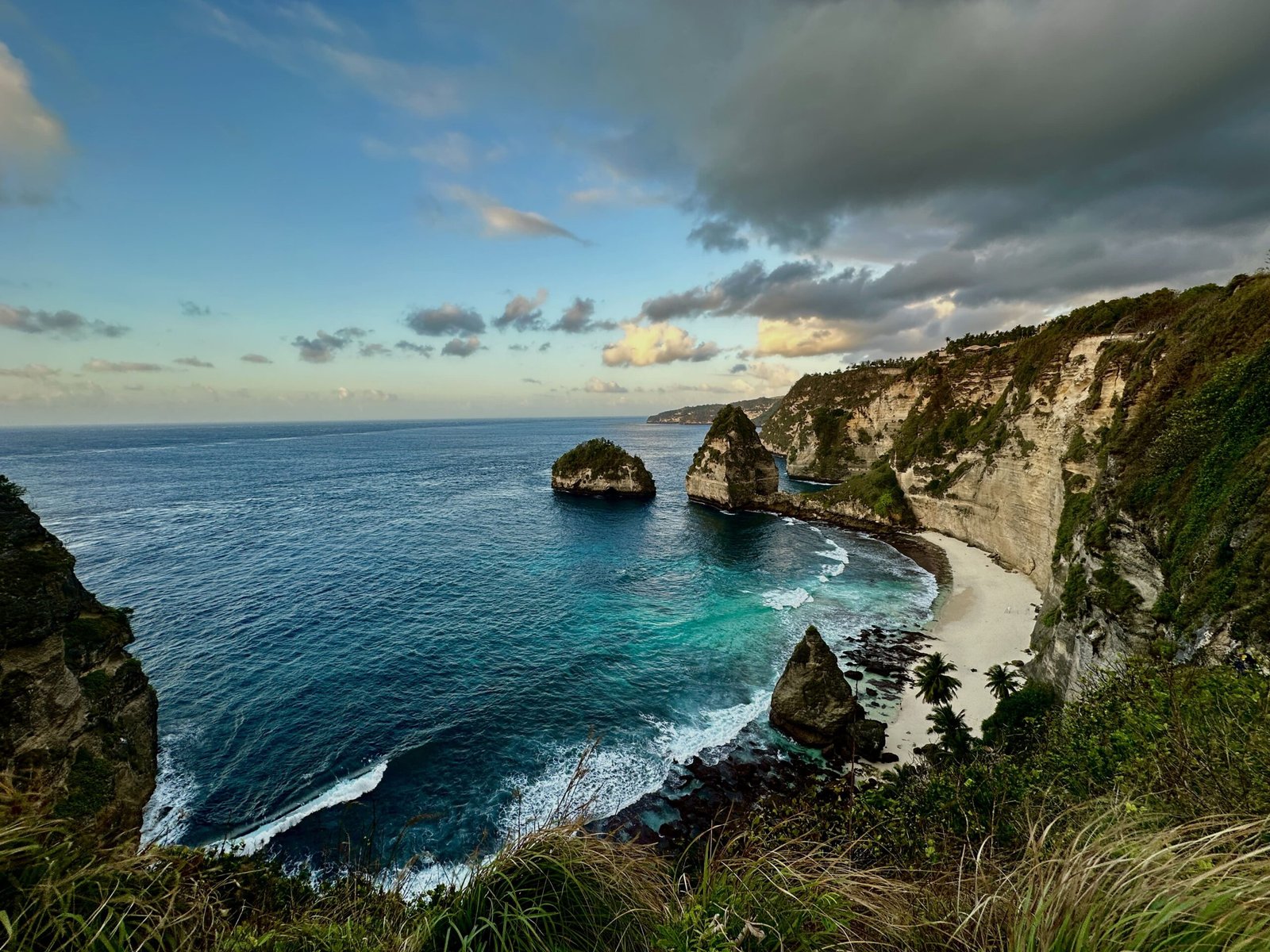
Protection de la vie marine à Bali
Où ? Bali, Indonésie
Quand ? du 13 au 26 juin, du 12 au 24 juillet et du 23 juillet au 05 août 2027
Durée : 2 semaines (option +1 semaine de circuit)
Âge : 15-17 ans
À partir de : 1300 €
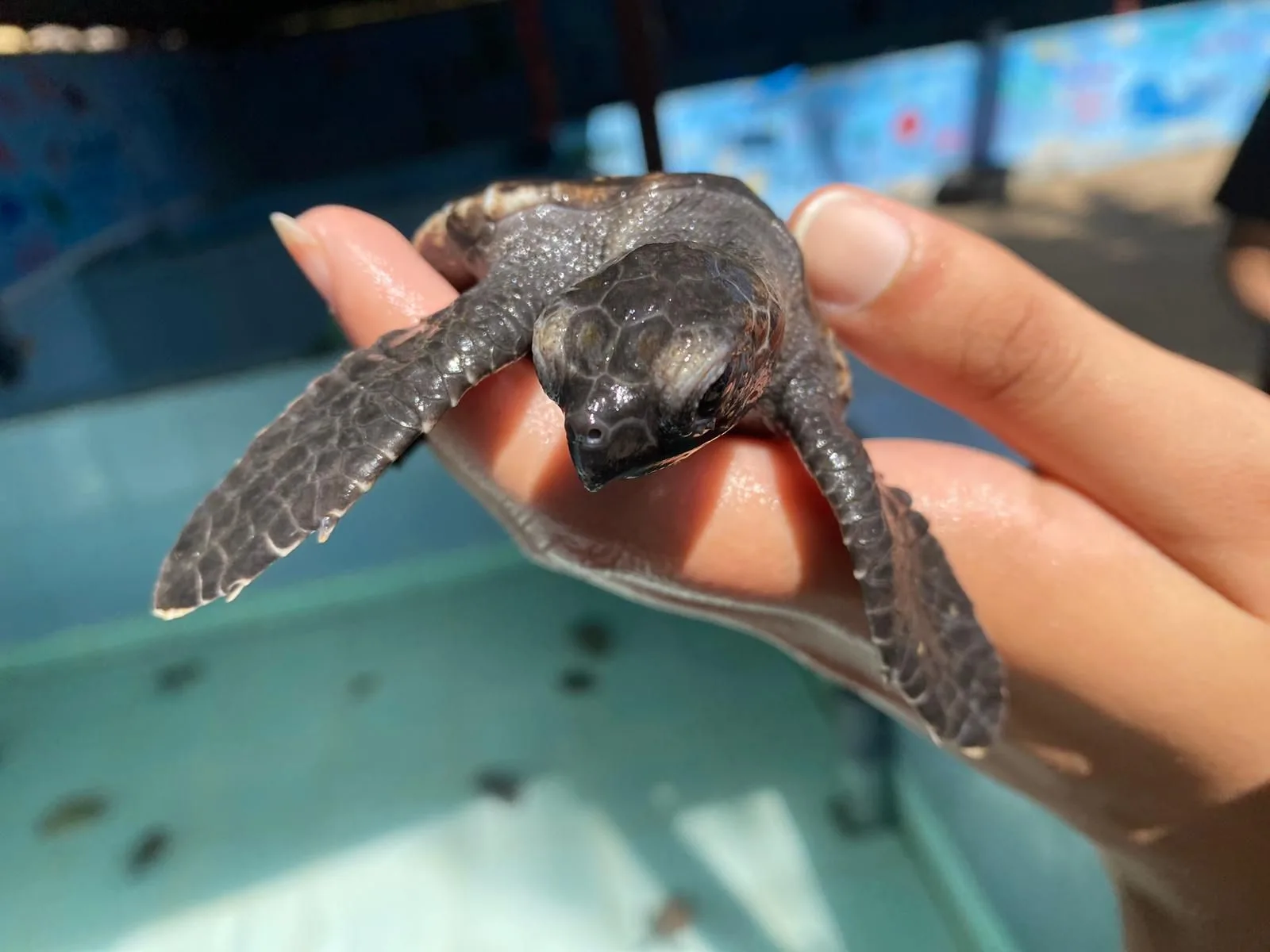
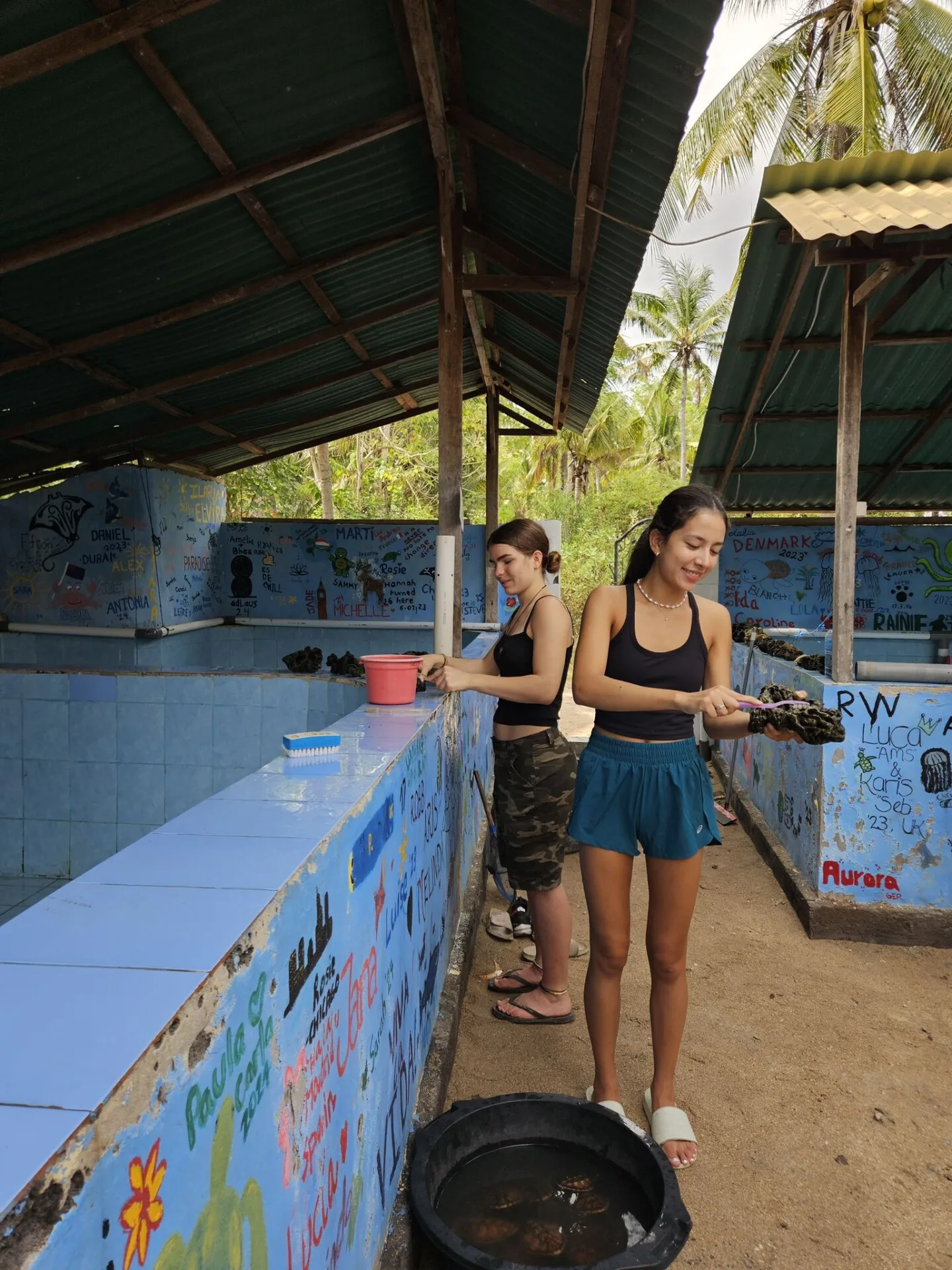
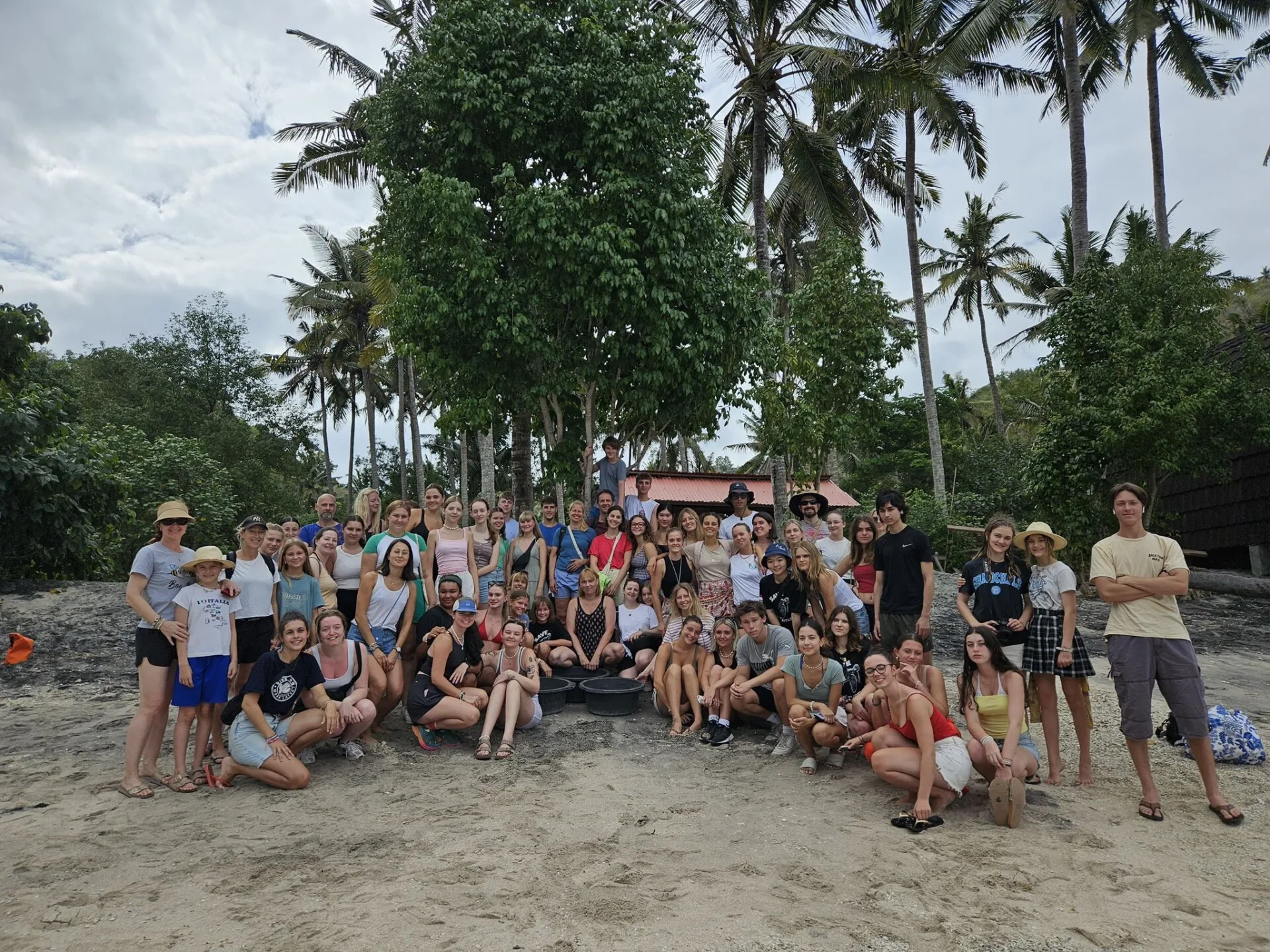
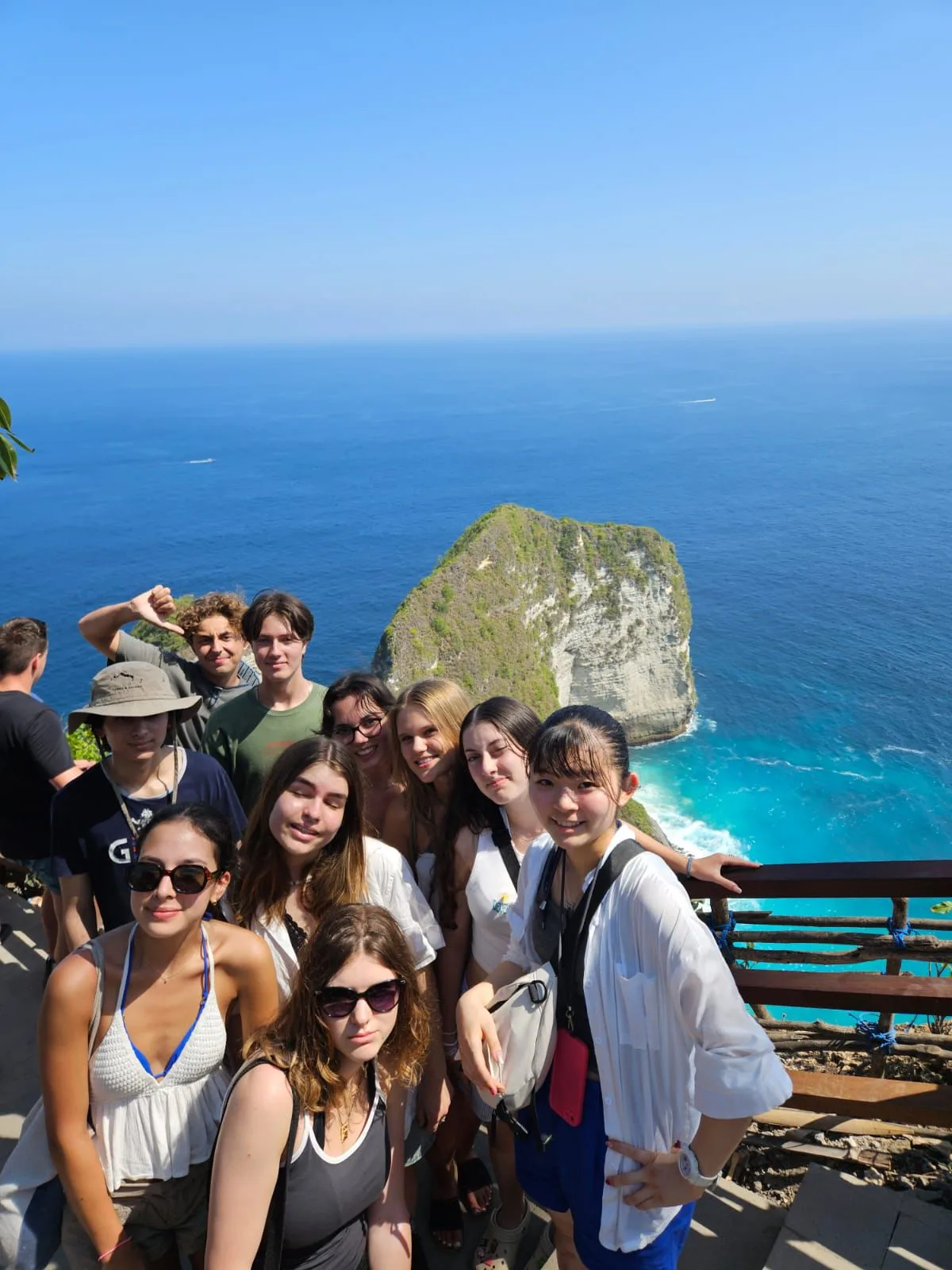
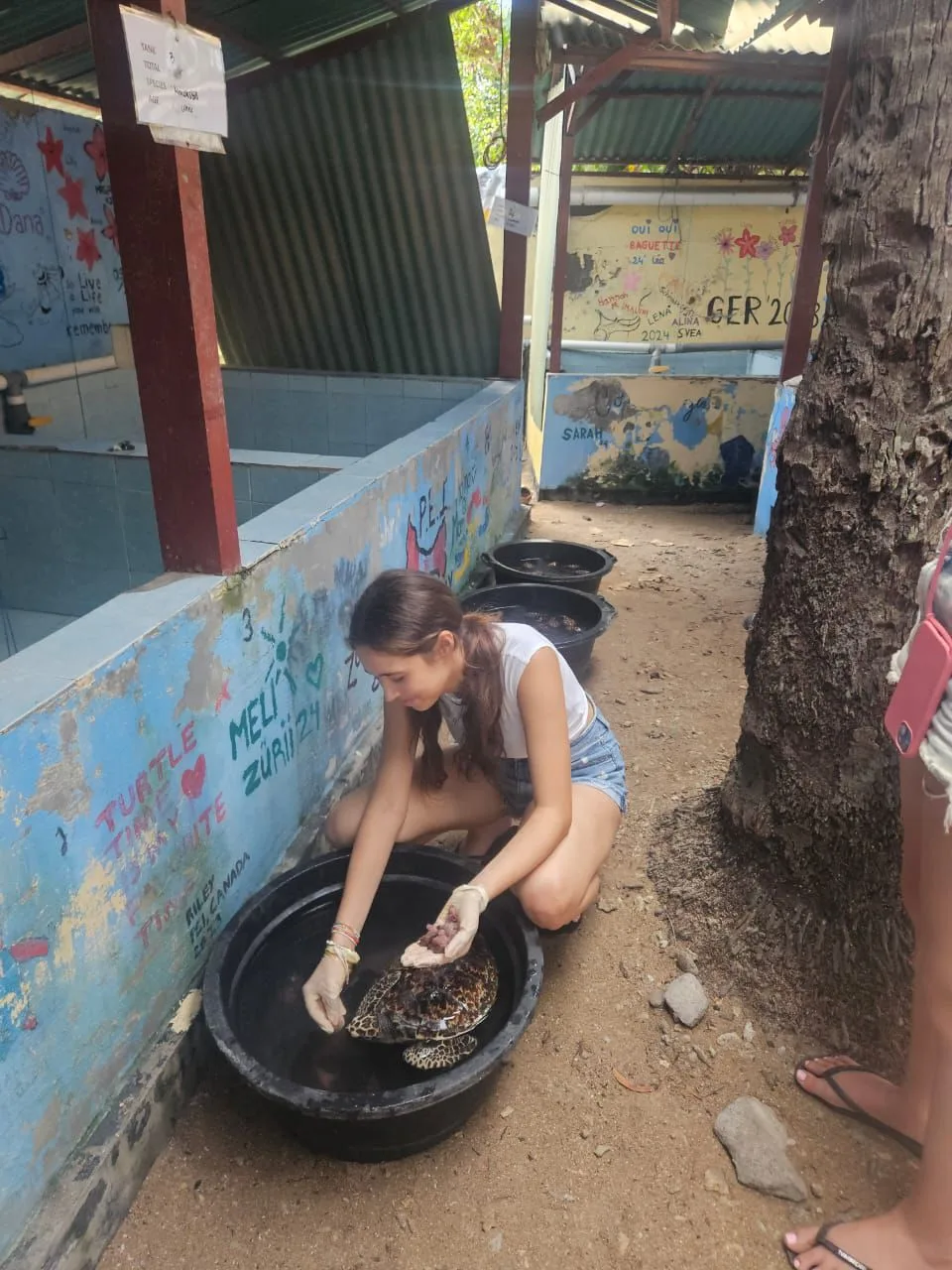
Bali abrite l’un des écosystèmes marins les plus riches et les plus menacés d’Asie du Sud-Est. Sur ce programme, tu travailles aux côtés des partenaires locaux pour protéger les tortues marines et sensibiliser les communautés côtières à la préservation du milieu marin.
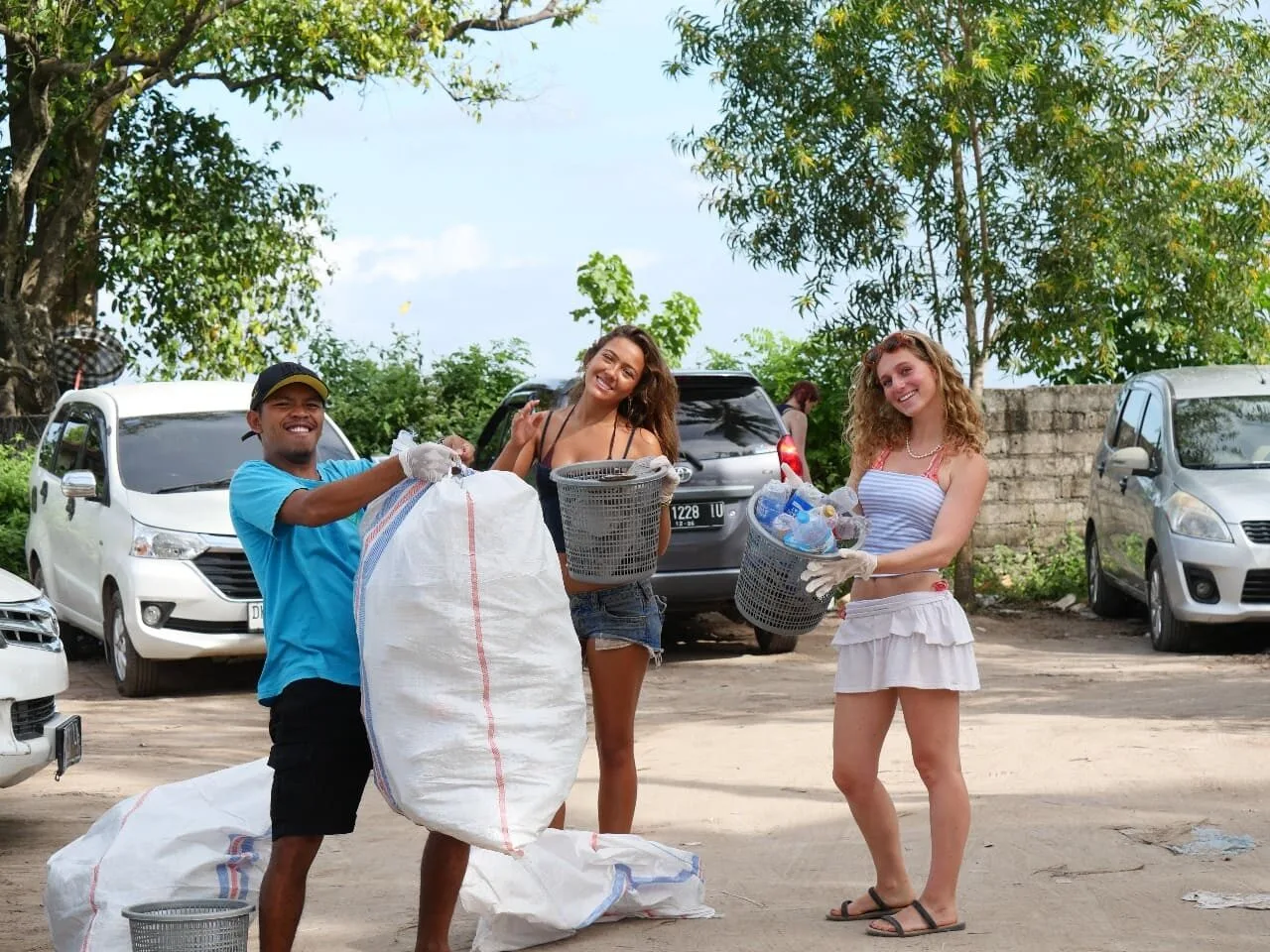
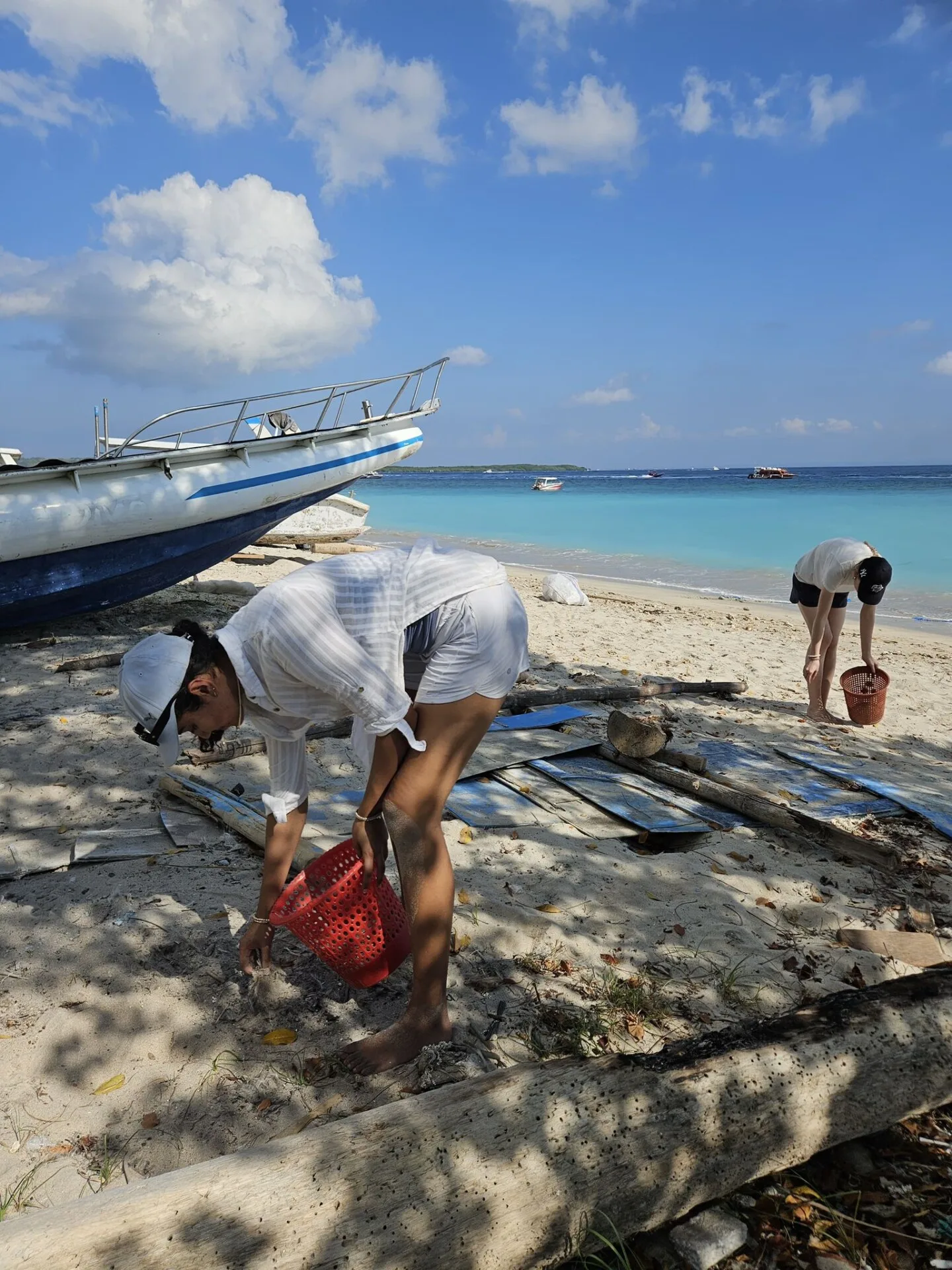
Au programme : patrouilles nocturnes sur les plages de ponte, suivi des nids, sensibilisation dans les villages et plongées de nettoyage. Il s’agit d’un travail de conservation avec des données réelles.
Voir ce summer camp : Conservation des tortues marines à Bali
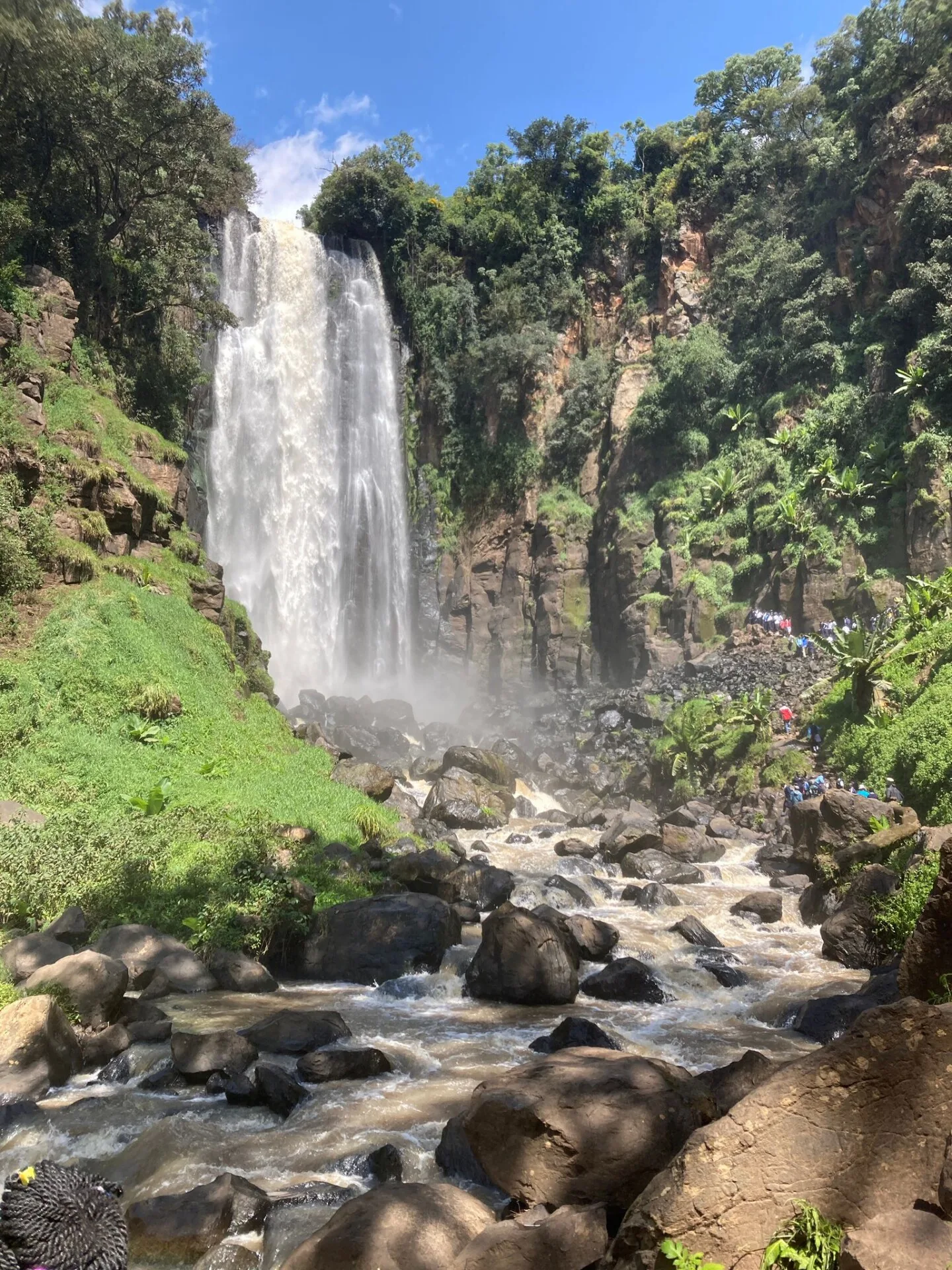
Protection de la faune sauvage au Kenya
Où ? Kenya
Quand ? du 13 au 26 juin et du 12 au 24 juillet 2027
Durée : 2 semaines (option +1 semaine de circuit safari)
Âge : 15-17 ans
À partir de : 1400 €
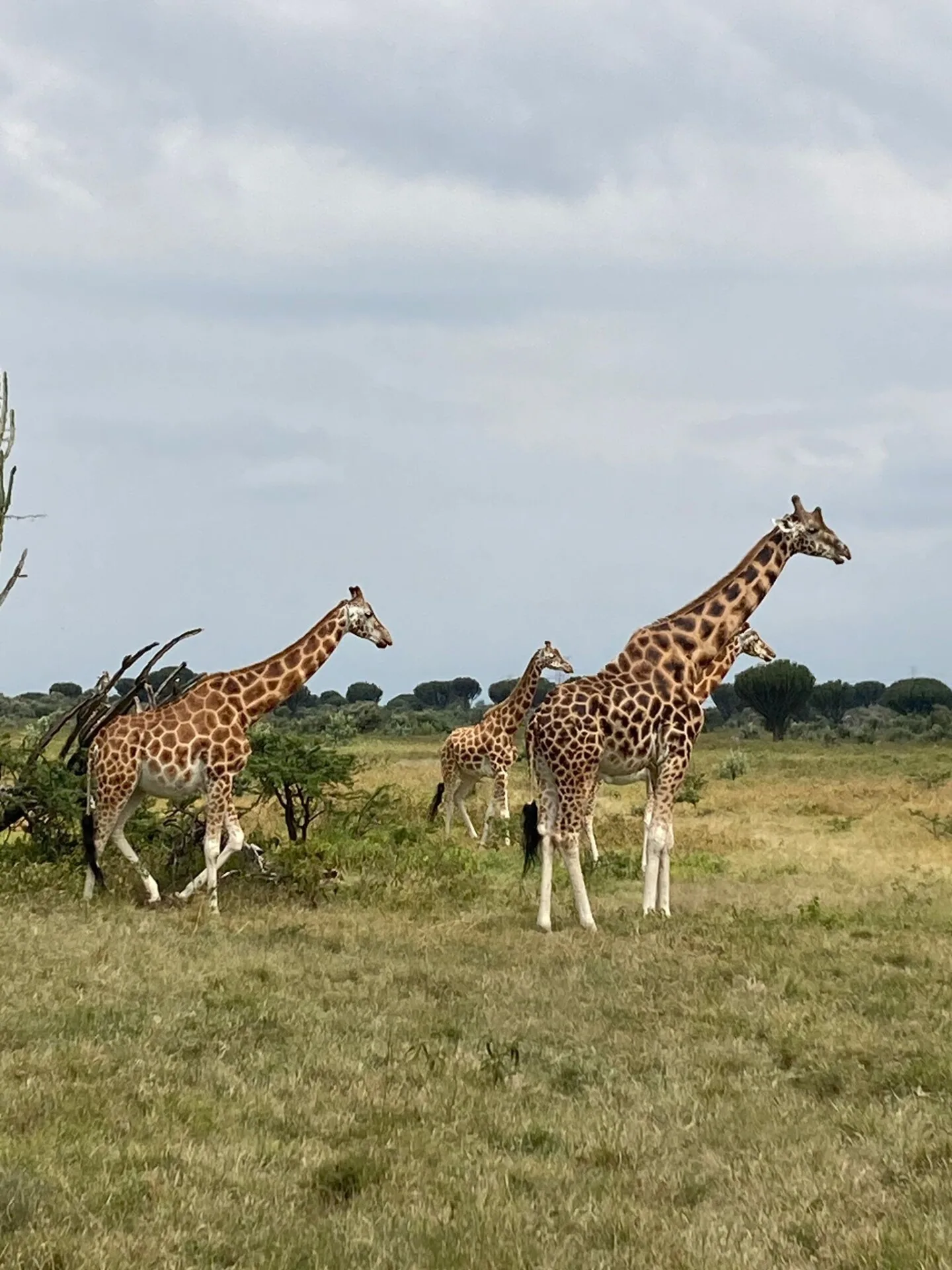
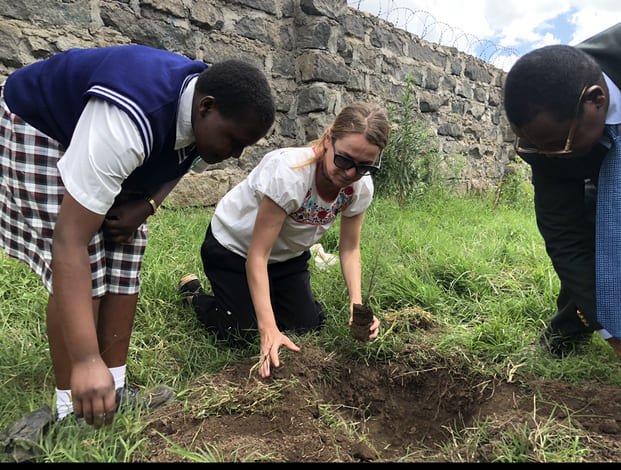
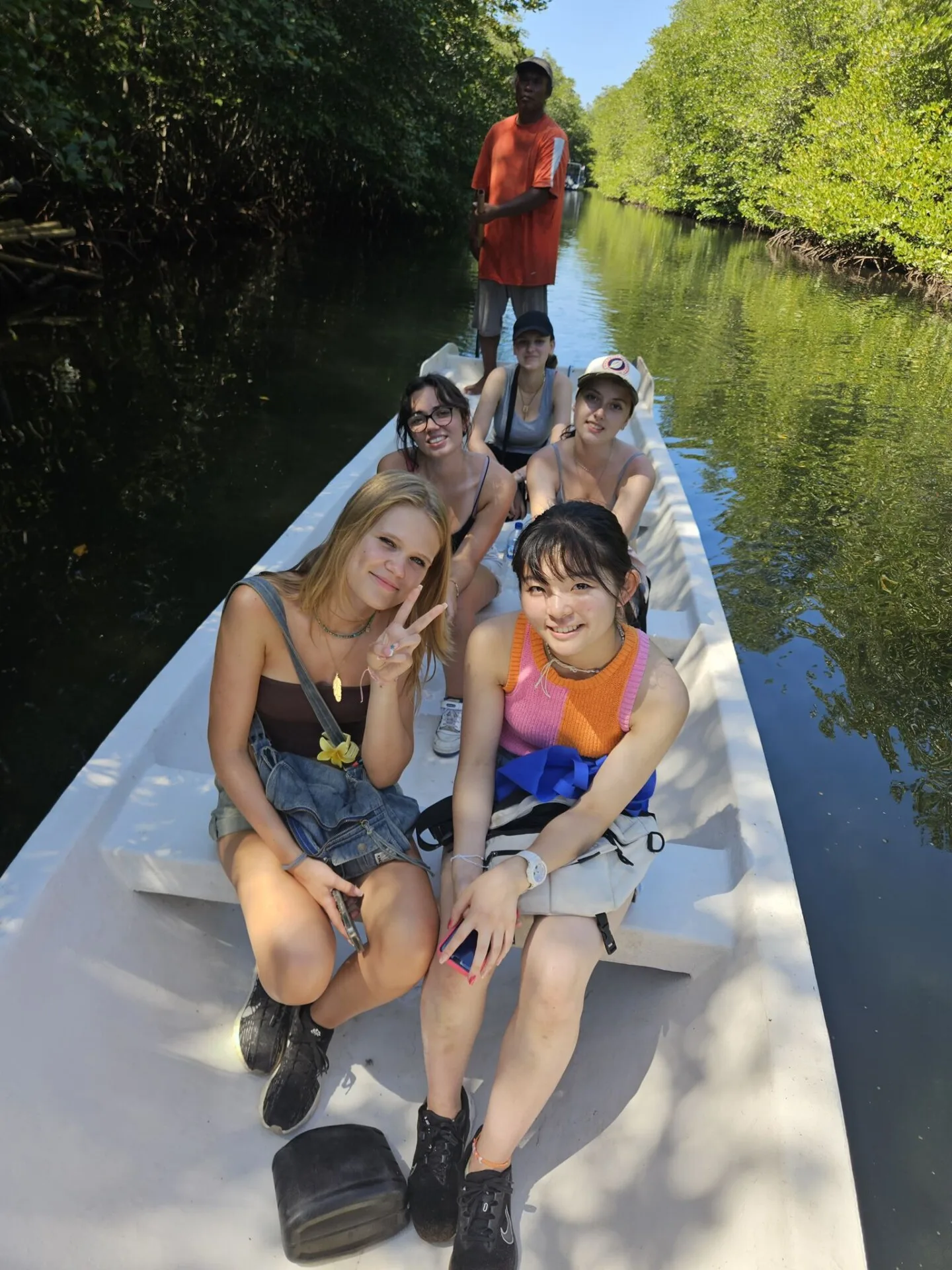
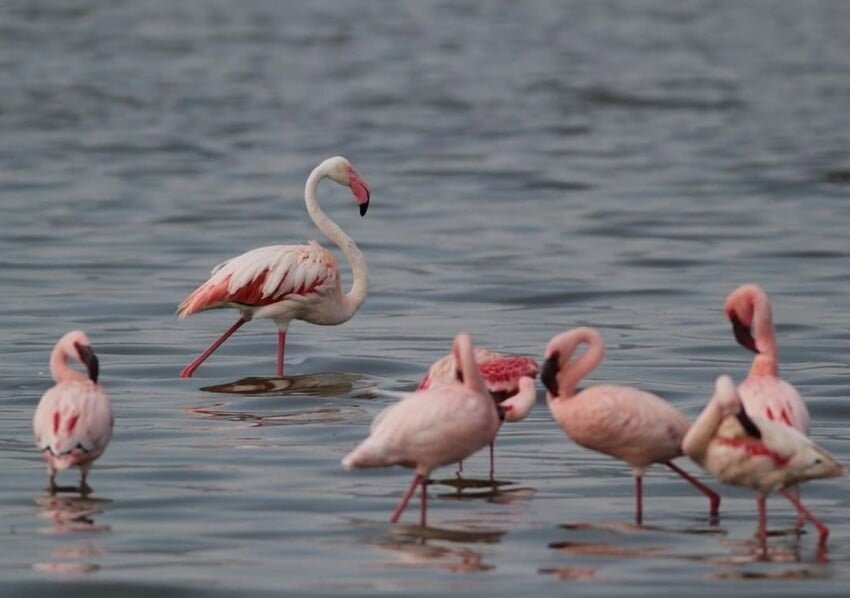
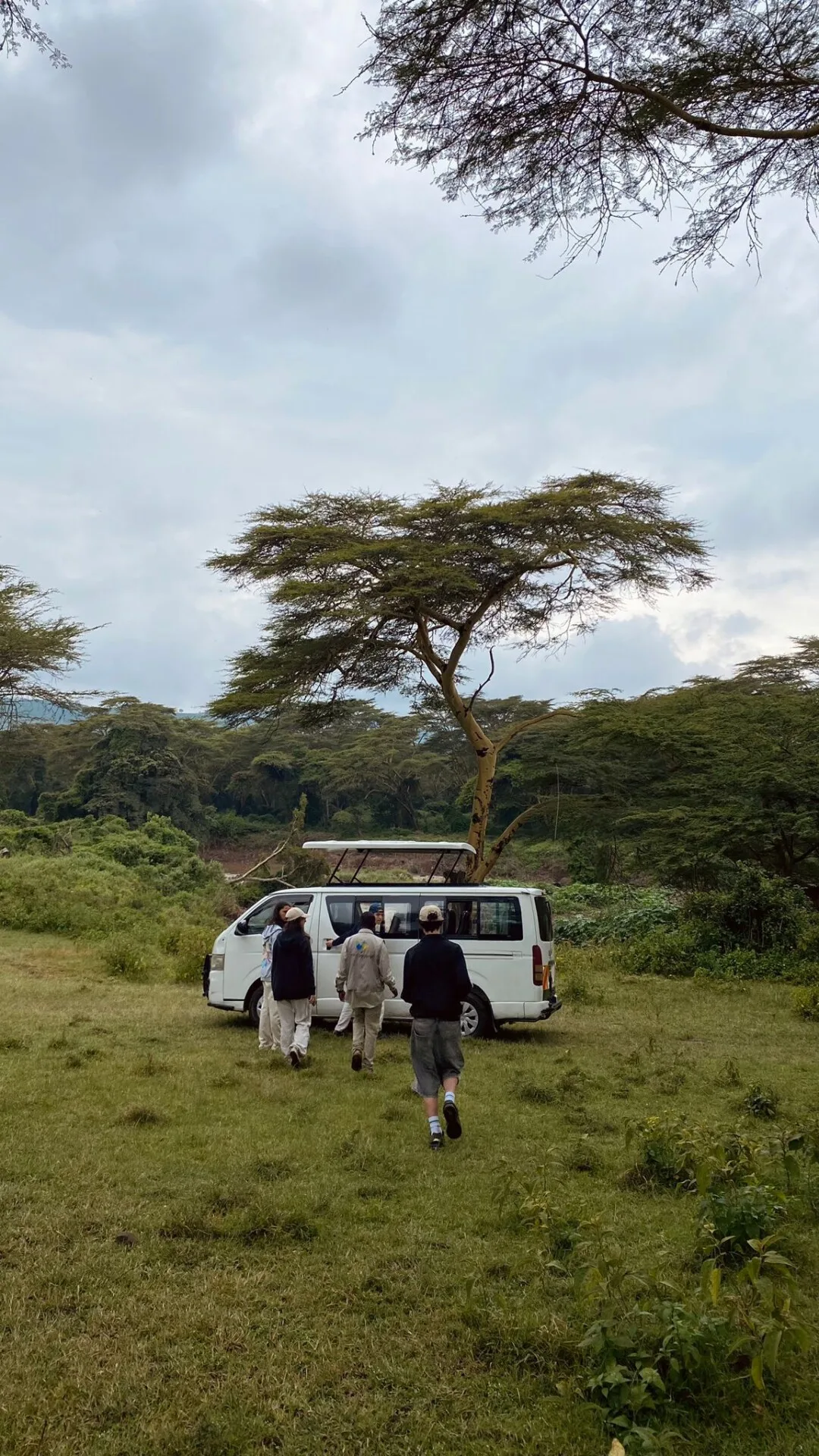
Le Kenya, c’est l’un des derniers grands espaces où la faune sauvage africaine se déplace librement, et l’un des pays où le braconnage et la déforestation frappent le plus fort. Sur ce programme, tu rejoins une équipe de conservation pour surveiller les espèces, restaurer les habitats et travailler avec les communautés Maasaï.
Les journées alternent entre travail de terrain (relevés de données, restauration végétale, collecte d’information) et immersion culturelle. Tu vis à quelques kilomètres des grands parcs, dans un camp de conservation.
Voir ce summer camp : Protection des girafes au Kenya
Projet humanitaire et protection des éléphants en Thaïlande
Où ? Thaïlande
Quand ? du 12 au 24 juillet 2027
Durée : 2 semaines (option +1 semaine de circuit)
Âge : 15-17 ans
À partir de : 1600 €
Ce programme combine deux dimensions : une action humanitaire dans une école ou une communauté rurale, et la protection des éléphants dans un sanctuaire éthique. Les éléphants accueillis dans ce sanctuaire sont des rescapés de l’industrie du tourisme.
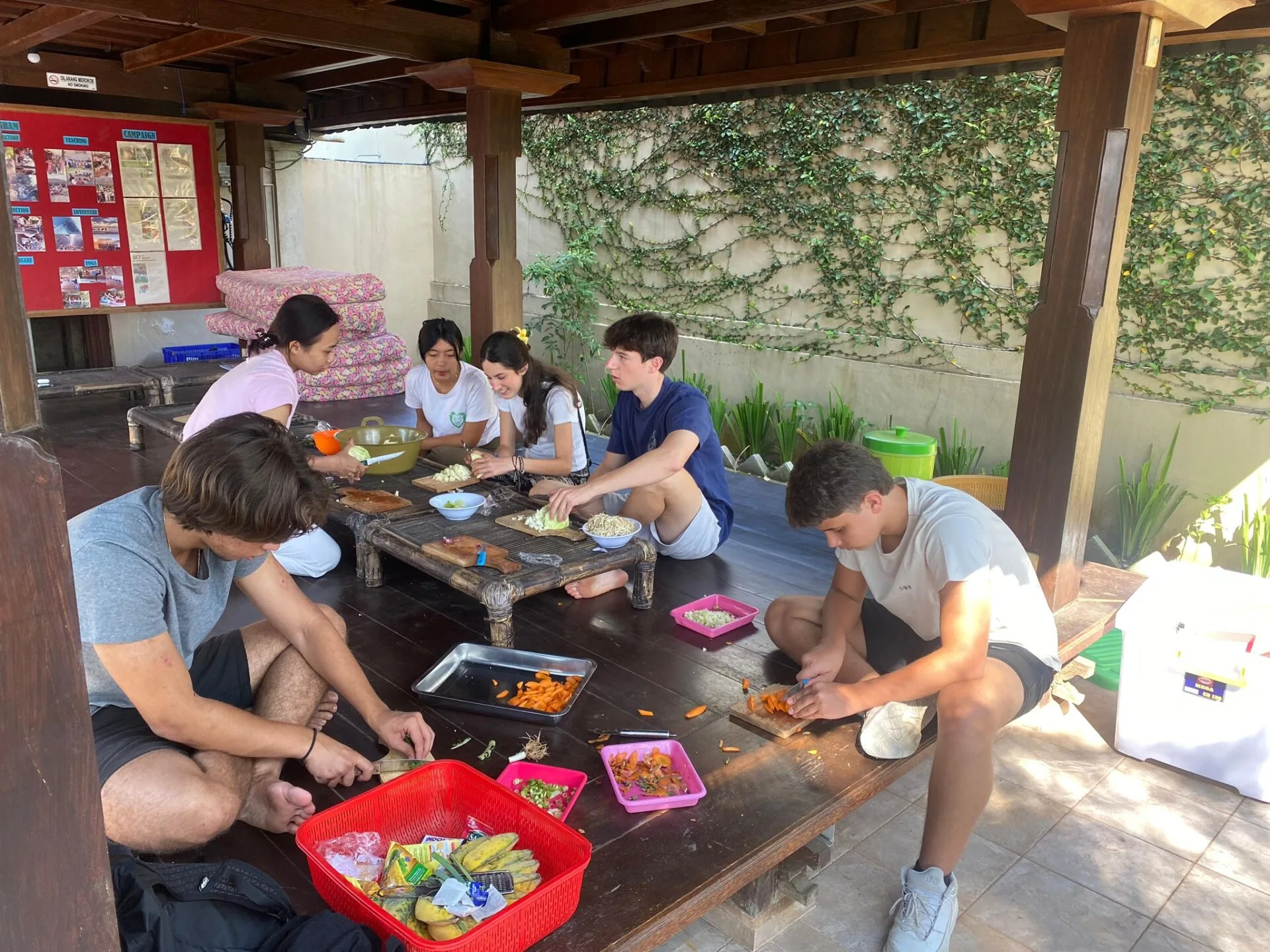
Tu participes aux soins quotidiens (préparation des repas, entretien de l’espace), au suivi comportemental et à des activités de sensibilisation avec les jeunes locaux. L’après-midi, le programme alterne entre activités culturelles thaïlandaises et travail dans la communauté partenaire.
Voir ce summer camp : Protection des éléphants en Thaïlande
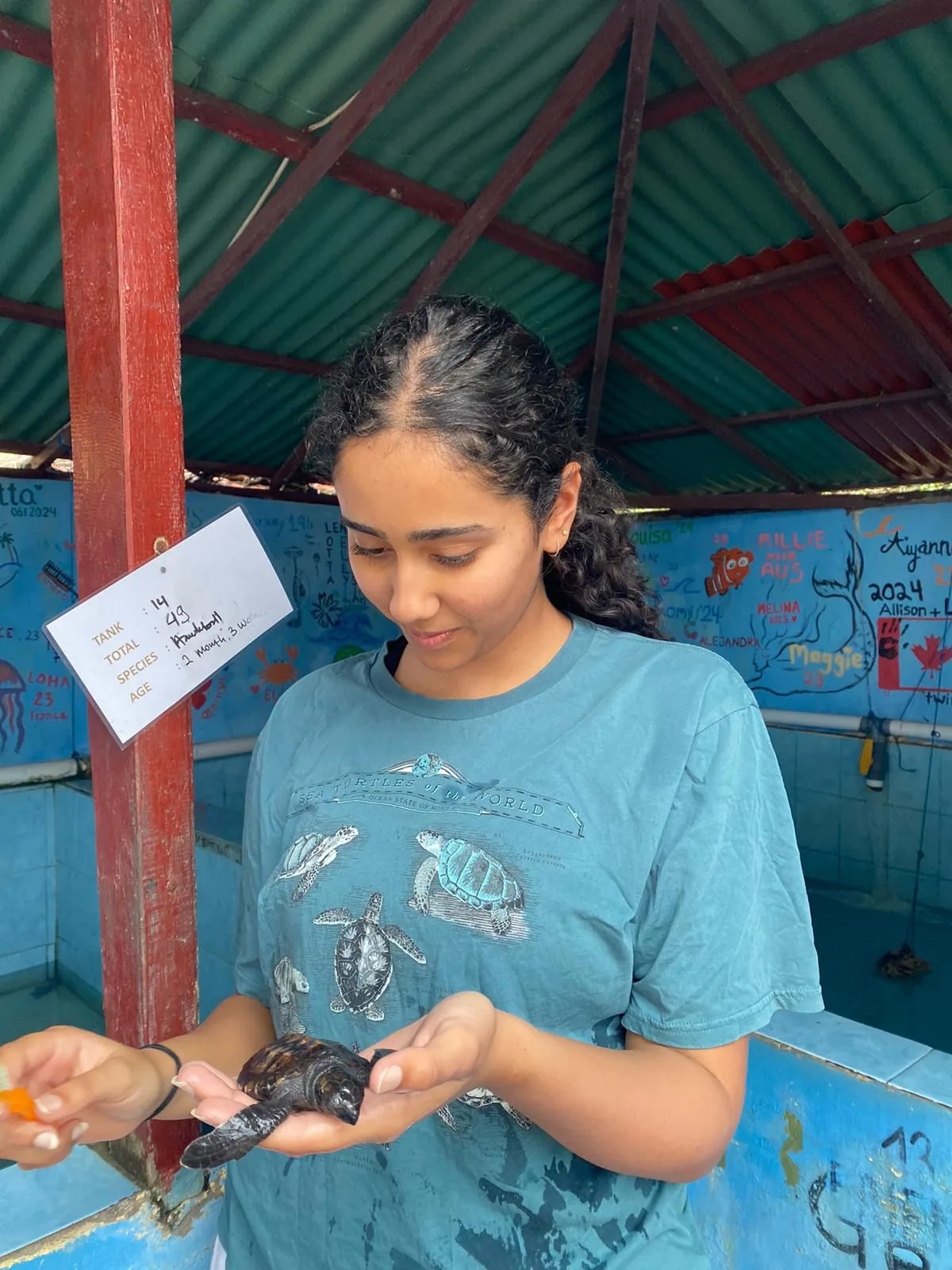
Protection des tortues marines au Costa Rica
Où ? Costa Rica
Quand ? du 14 au 26 juillet 2027
Durée : 2 semaines (option +1 semaine de circuit)
Âge : 15-17 ans
À partir de : 2400 €
La côte caraïbe du Costa Rica est l’une des plages de ponte les plus importantes au monde pour les tortues luth et les tortues vertes. Elle est aussi l’une des plus vulnérables : braconnage des œufs, pollution lumineuse, prédateurs. Le partenaire local travaille depuis 15 ans à inverser la tendance.
Tu rejoins cette équipe pour les patrouilles nocturnes, le baguage des femelles, la protection et le suivi des nids. Un travail de terrain concret, avec des données qui alimentent directement les programmes de recherche nationaux.
Voir ce summer camp : Protection des tortues au Costa Rica
Colonie solidaire en Argentine
Où ? Argentine (Córdoba)
Quand ? du 14 au 26 juillet 2027
Durée : 2 semaines
Âge : 15-17 ans
À partir de : 1 990 €
Dans les Sierras de Córdoba, la faune sauvage et les écosystèmes forestiers font face à des menaces constantes : braconnage, commerce illégal d’animaux et déforestation. La réserve naturelle de Los Quebrachitos et le centre de réhabilitation s’efforcent chaque jour de protéger cette biodiversité unique et de restaurer l’équilibre écologique régional.
Tu rejoins l’équipe locale pour participer concrètement à l’écovolontariat au refuge des Pumas (soins, préparation des rations, enrichissement environnemental) et aux actions de préservation sur le terrain aux côtés des gardes forestiers. En parallèle, tu t’immerges dans la culture argentine à travers des projets communautaires avec les enfants, des cours de tango et le partage du quotidien d’une famille locale dans les collines.
Voir ce summer camp : Summer camp : projet communauté, environnement et immersion culturelle en Argentine
Summer camp en Afrique du Sud
Où ? Afrique du Sud (Le Cap et Garden Route)
Quand ? du 14 au 26 juillet 2027
Durée : 2 semaines
Âge : 15-17 ans
À partir de : 2 400 €
Entre l’immensité de l’Océan Atlantique et les réserves sauvages de la Route des Jardins, la biodiversité sud-africaine et les communautés locales font face à d’immenses défis. Les écoles de quartier manquent de ressources et la faune sauvage (terrestre comme marine) dépend entièrement d’actions de conservation et de sauvetage directes.
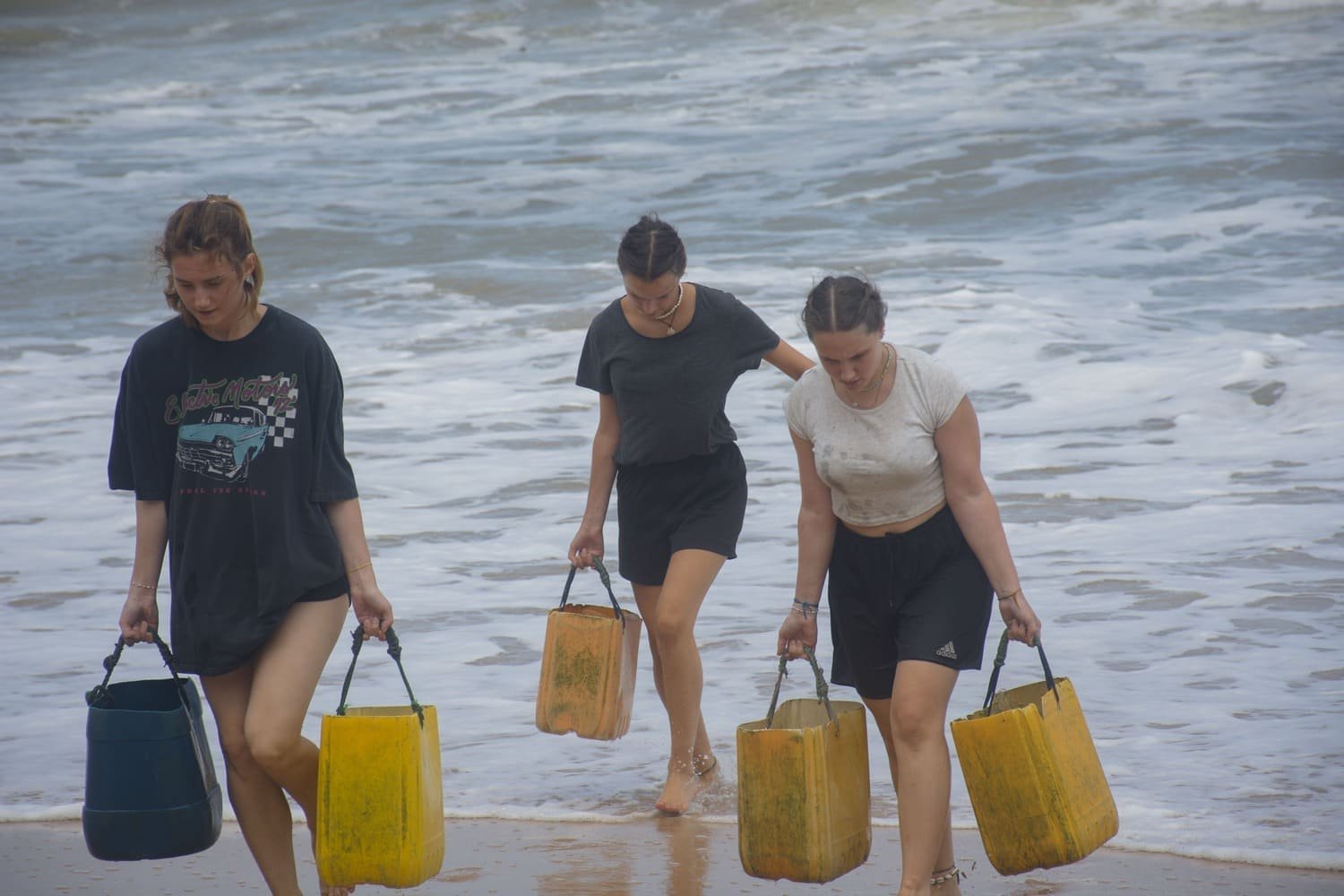
Tu rejoins une équipe dédiée pour mener des actions concrètes sur le terrain : projet de rénovation pratique et soutien scolaire auprès des enfants d’une école partenaire, suivi du nettoyage des plages. L’aventure se poursuit côté nature avec l’étude des écosystèmes lors de safaris Big 5 en 4×4 et l’aide à la sensibilisation marine (visite de sanctuaires d’éléphants et de manchots). Un séjour unique qui allie action solidaire, aventures intenses (surf, sandboarding) et immersion culturelle.
Voir ce summer camp : Summer camp en Afrique du Sud dès 15 ans
Projet de construction au Sri Lanka
Où ? Sri Lanka (Kandy)
Quand ? du 13 au 26 juin et du 12 au 24 juillet 2027
Durée : 2 semaines
Âge : 15-17 ans
À partir de : 1 990 €
Au cœur des montagnes de Kandy, de nombreuses infrastructures d’accueil locales manquent de ressources pour entretenir leurs locaux. Les écoles maternelles, primaires, dispensaires ou temples bouddhistes ont besoin d’actions solidaires concrètes pour redonner de la couleur aux espaces de vie des enfants et des habitants.
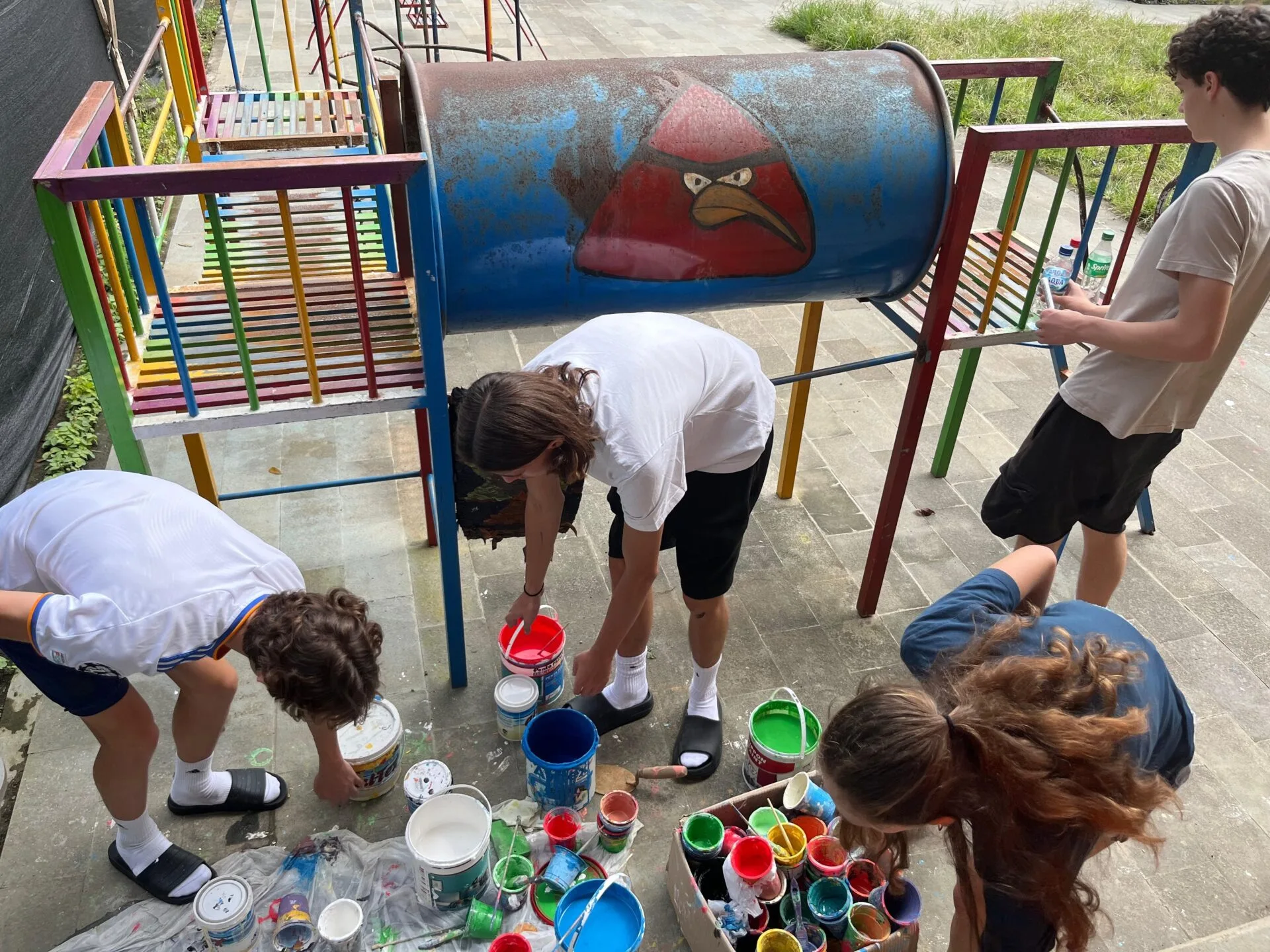
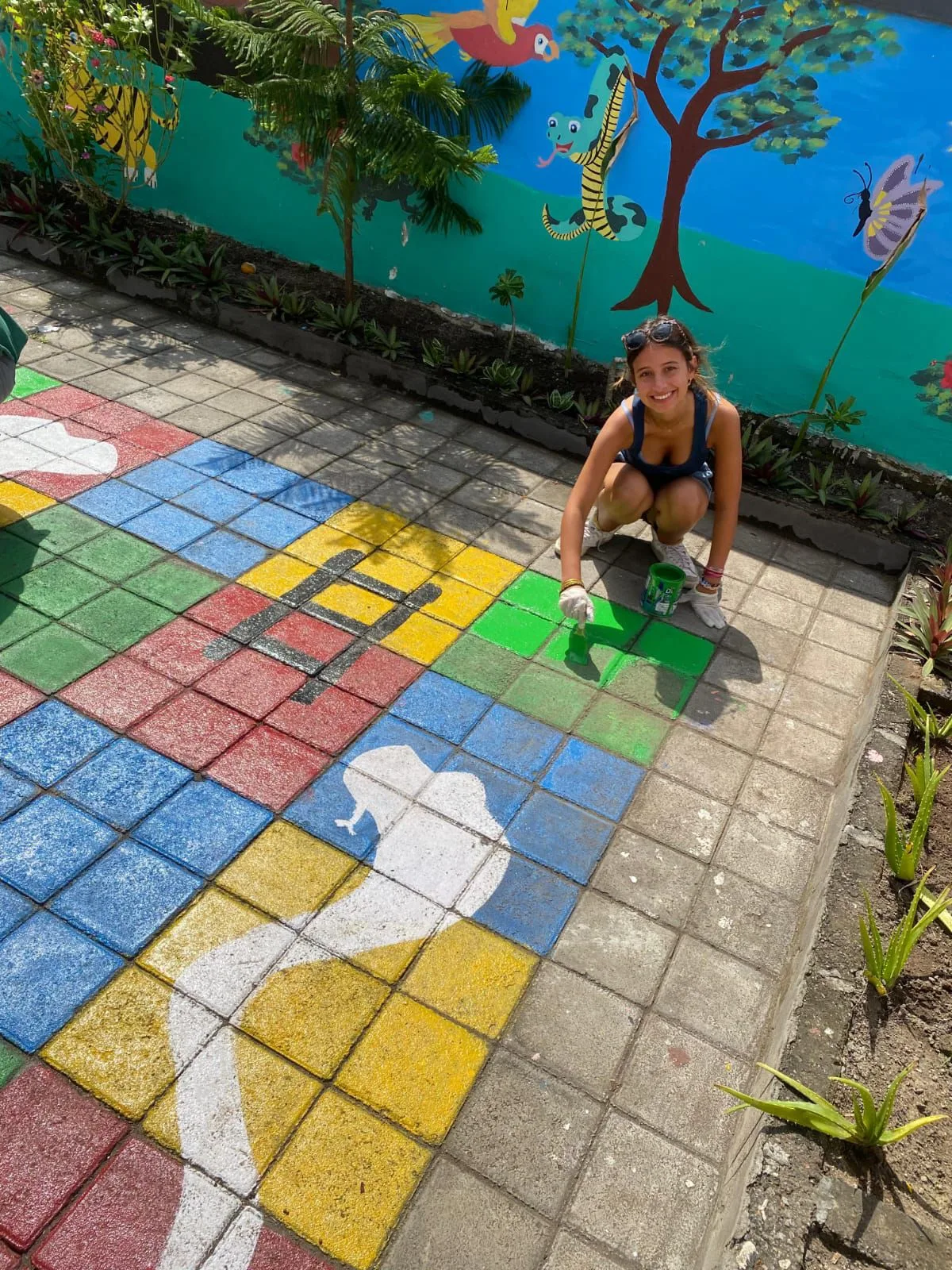
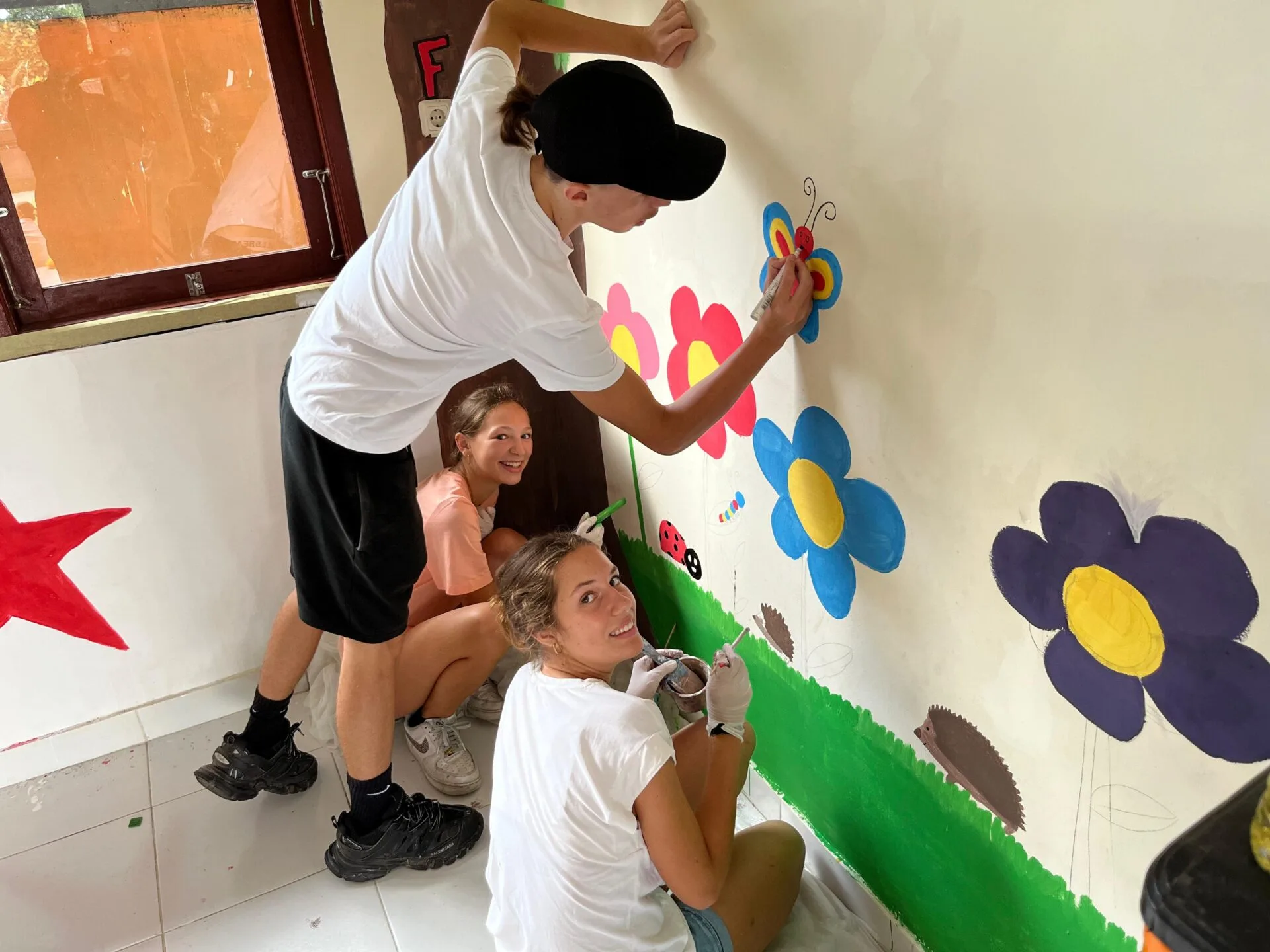
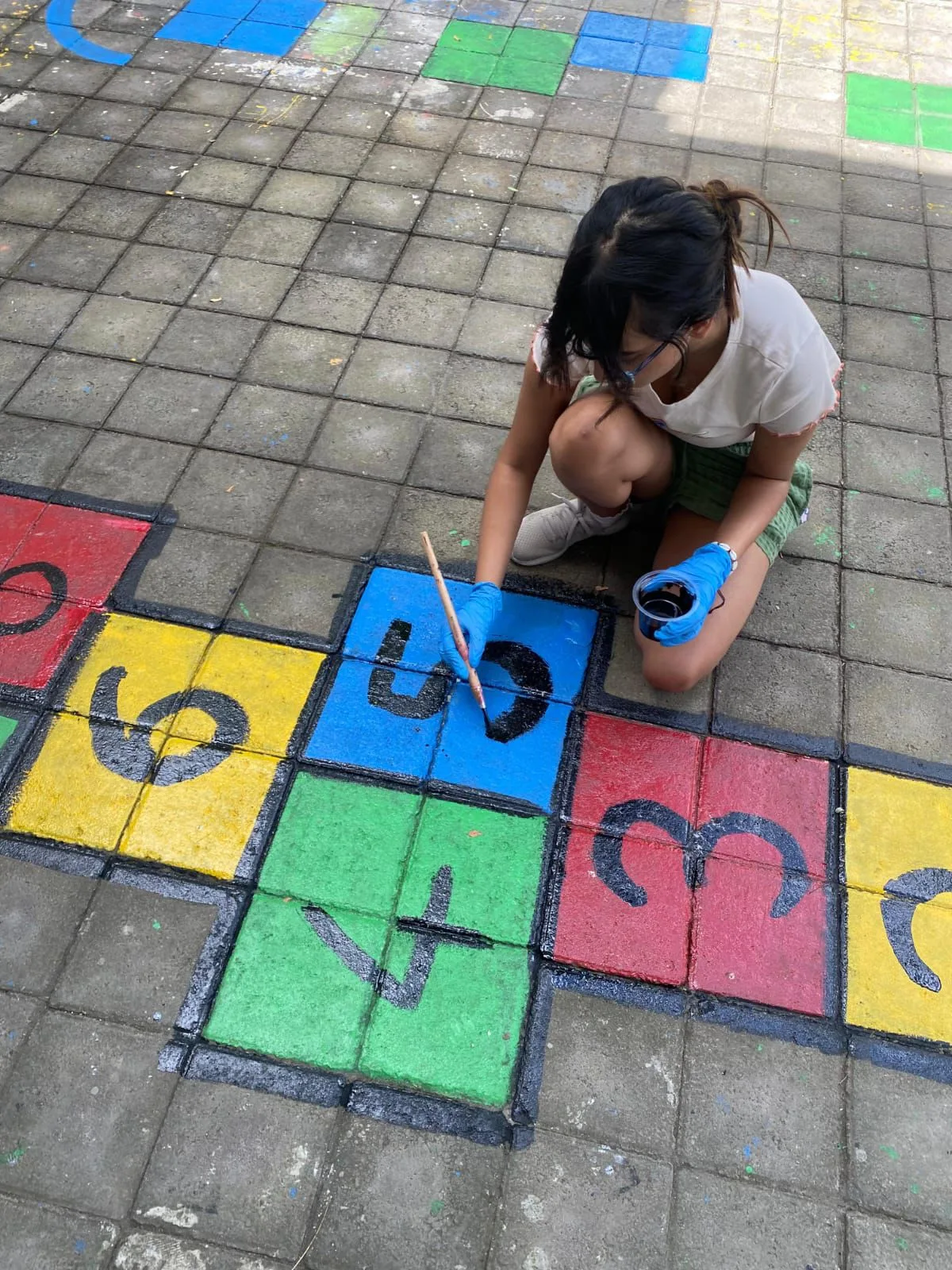
Tu rejoins l’équipe locale pour participer activement à un chantier de rénovation légère et d’embellissement communautaire (nettoyage, peinture, création de fresques murales éducatives et ludiques). En parallèle, tu t’immerges dans la culture sri-lankaise à travers de grandes randonnées sur le Pekoe Trail dans les plantations de thé, des cours de cuisine traditionnelle, des ateliers d’artisanat et la visite du célèbre Temple de la Dent.
Voir ce summer camp : Summer camp : projet de construction au Sri Lanka
Colonie solidaire aux Açores
Où ? Açores (Île de São Miguel)
Quand ? juillet 2027
Durée : 2 semaines
Âge : 15-17 ans
À partir de : 1 990 €
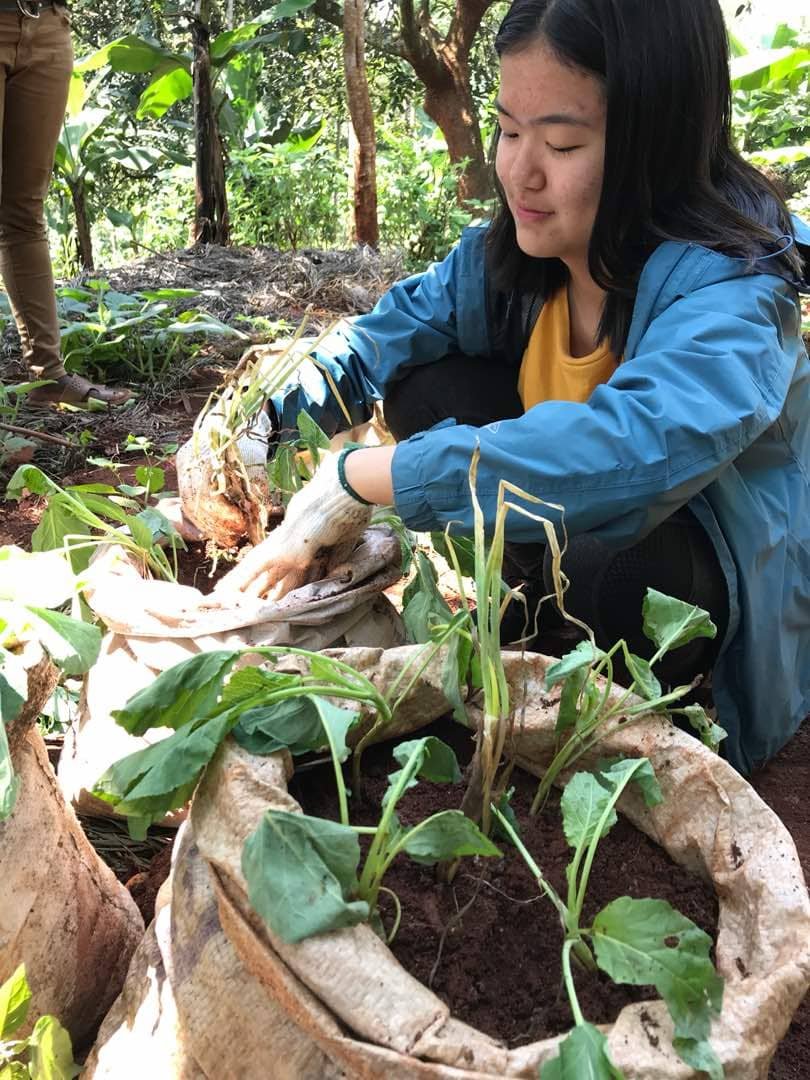
Sur l’île verdoyante de São Miguel, l’isolement géographique et les défis modernes pèsent sur l’inclusion sociale et la valorisation environnementale. Les structures d’accueil locales manquent de soutien pour accompagner les enfants à risque d’exclusion, tandis que les initiatives d’agriculture durable ont besoin de bras pour valoriser les terres et intégrer des personnes en situation de handicap.
Tu rejoins l’équipe locale en tant que volontaire polyvalent. Le matin, tu alternes entre le soutien à l’enfance (animation de grands jeux, ateliers créatifs et cours d’anglais ludiques) et l’aide à la ferme biologique (semis, récoltes, entretien du jardin urbain). L’après-midi, tu partages des missions de communication digitale pour valoriser l’action des associations partenaires. Ton aventure est rythmée par des découvertes intenses : canyoning, excursion 4×4 à Sete Cidades, observation des baleines et baignade dans les sources thermales de Furnas.
Voir ce summer camp : Summer camp aux Açores : projet éducatif et environnemental
Un argument solide pour Parcoursup, et pour la vie.
Un summer camp humanitaire à l’étranger, ça se remarque. Dans une lettre de motivation, dans un entretien d’école, dans une conversation avec un prof. Ce n’est pas une ligne de plus sur un CV, c’est une expérience avec des responsabilités réelles, un impact mesurable et une histoire à raconter.
L’anglais en conditions réelles
Pas de cours, pas de fiche de vocabulaire. L’anglais est la langue de communication avec le groupe international et souvent avec les partenaires locaux. Après 2 semaines, les ados qui “ne parlaient pas anglais” ont systématiquement progressé plus vite qu’après un été en séjour linguistique classique.
L’autonomie du premier départ seul
Pour la plupart des participants, c’est le premier séjour sans les parents. Un encadrement structuré, un coordinateur disponible 24h/24, mais pas de main à tenir à chaque difficulté. Ce dosage produit une confiance en soi que les parents observent dès le retour.
Des amitiés qui durent
Les groupes Freepackers sont internationaux : des jeunes de France, de Belgique, de Suisse, et selon les programmes des participants anglophones. Vivre en communauté, partager le travail de terrain et les moments difficiles crée des liens différents de ceux d’une colonie classique.
Un groupe 100% 15-17 ans. Aucun adulte dans le groupe de participants. Votre ado part avec des jeunes de son âge, pas dans un programme mixte où il se retrouve minoritaire. Le coordinateur sur place est là pour encadrer.
Certifié B Corp. Freepackers est l’une des rares organisations de volontariat international certifiées B Corp, une certification qui vérifie indépendamment les pratiques sociales, environnementales et de gouvernance. Ce n’est pas un label auto-déclaré.
Des projets validés sur le terrain. Chaque partenaire local est visité avant d’intégrer le réseau Freepackers. Les projets sont co-construits avec les communautés pour répondre à un besoin réel. Depuis 2010, 1 300 000 € ont été reversés directement aux partenaires locaux.
Tout inclus, sans surprise. Logement en chambres partagées avec les autres participants, tous les repas (petit-déjeuner, déjeuner, dîner), toutes les activités du programme, coordinateur dédié sur place 24h/24. Le vol international est organisé séparément.
Un accompagnement de A à Z. L’équipe Freepackers répond vite, avant le départ et pendant le séjour. Le petit plus : des groupes whatsapp parents – enfants du même groupe sont mis en place pour faire connaissance et une visio avec le coordinateur local permet de poser toutes les questions avant le départ.
1. Contact avec l’équipe
Tu nous écris ou tu appelles. On prend le temps de comprendre ce que recherche votre ado : destination, centres d’intérêt, niveau d’anglais, dates disponibles, etc. Et on lui propose le programme le mieux adapté.
2. Inscription et préparation
Une fois le programme choisi, l’équipe accompagne toute la logistique : dossier d’inscription, fiche santé, liste de préparation, conseils vaccination, préparation mentale au départ solo.
3. Summer camp ado sur place
Un coordinateur Freepackers est présent sur tous les projets, disponible 24h/24. Il gère les urgences, anime la vie de groupe et fait le lien avec les partenaires locaux. Les parents ont un contact direct en cas de besoin.
4. Le retour
Le retour fait partie du programme. On encourage les participants à formaliser leur expérience : compte-rendu personnel, mise à jour de leur profil Parcoursup, préparation du récit pour les entretiens à venir.
Quel est l’âge minimum pour participer ?
Les summer camps Freepackers sont ouverts dès 15 ans et jusqu’à 17 ans inclus. C’est un programme conçu exclusivement pour cette tranche d’âge, le groupe est homogène.
Comment mon enfant est-il encadré sur place ?
Un coordinateur local est dédié au groupe et présent sur le projet 24h/24 et 7j/7. Il gère la vie quotidienne, les activités, les imprévus et le lien avec les partenaires locaux. Ce n’est pas un accompagnateur généraliste : il connaît le projet et la destination.
Que se passe-t-il en cas de problème médical ou d’urgence ?
Le coordinateur est formé aux premiers secours. Chaque participant est couvert par une assurance voyage adaptée aux programmes de volontariat international. En cas d’urgence, l’équipe locale est toujours joignable et coordonne avec le coordinateur dédié.
Le groupe est-il mixte avec des adultes ?
Non. Les groupes summer camp sont composés exclusivement de 15-17 ans. Le seul adulte présent est le coordinateur dédié.
Comment puis-je contacter mon enfant pendant le séjour ?
Chaque participant dispose de son téléphone. Le coordinateur transmet régulièrement des nouvelles du groupe. En cas d’urgence, les parents ont un contact direct avec le coordinateur sur place et avec l’équipe Freepackers.
Quel est le prix d’un summer camp ? Qu’est-ce qui est inclus ?
Le tarif varie selon la destination et la durée. Il inclut le logement en chambre partagée avec le groupe, les 3 repas quotidiens, toutes les activités du programme et le coordinateur sur place. Le vol international n’est pas inclus, il est organisé séparément selon les disponibilités de chaque famille.
Le vol est-il organisé par Freepackers ?
Le vol n’est pas inclus dans le tarif du programme. L’équipe peut conseiller sur les meilleures options mais la réservation est à la charge de chaque participant.
Mon enfant sera-t-il accompagné dès l’aéroport ?
Le coordinateur ou un référent local accueille les participants à l’aéroport de destination et assure leur transfert vers leur logement.
Quels vaccins sont nécessaires ?
Les recommandations varient selon la destination. L’équipe transmet les informations lors de l’inscription.
Mon enfant doit-il parler anglais pour participer ?
Un niveau scolaire de base suffit. Les programmes fonctionnent sans langue locale, l’anglais est la langue d’échange avec le groupe international. Le coordinateur gère la communication avec les partenaires locaux. Plusieurs participants “peu anglophones” au départ sont revenus avec une progression notable.
Faut-il avoir des compétences en conservation animale ou en humanitaire ?
Aucune. Les programmes sont conçus pour accueillir des jeunes sans expérience préalable. La motivation et l’engagement comptent bien plus que les diplômes. Les partenaires locaux forment les participants à leur arrivée.
Mon enfant peut-il partir seul, sans connaître personne dans le groupe ?
C’est la situation de la grande majorité des participants. Les groupes se constituent au départ, ou avant le départ via les échanges WhatsApp. Sur place, la vie en communauté crée des liens très rapidement. C’est souvent le premier séjour sans les parents, et c’est fait pour ça.
Est-ce du “volontourisme” ou est-ce un vrai impact ?
La différence est structurelle. Les projets Freepackers ne sont pas créés pour accueillir des groupes de volontaires, ils existaient avant et continuent après. Chaque partenaire est sélectionné et visité par l’équipe pour s’assurer que la présence des participants répond à un besoin réel, identifié par la communauté locale. 1 300 000 € ont été reversés directement aux partenaires locaux depuis 2010.
Qu’est-ce que la certification B Corp ?
B Corp est une certification internationale délivrée par l’organisme indépendant B Lab. Elle vérifie que l’entreprise respecte des standards rigoureux sur le plan social, environnemental et de gouvernance. Freepackers est certifiée B Corp sur la base d’un audit externe complet et renouvelé tous les 3 ans.
Un summer camp humanitaire est-il valorisable sur Parcoursup ?
Oui, et c’est l’un des éléments les plus différenciants d’un dossier lycéen. Une expérience de terrain à l’étranger avec des responsabilités réelles, une équipe internationale et un impact mesurable se valorise dans la rubrique “Activités et centres d’intérêt” de Parcoursup, dans les lettres de motivation et dans les entretiens d’admission.
L’expérience est-elle reconnue par l’Éducation Nationale ?
Les programmes Freepackers s’inscrivent dans la démarche des “colos apprenantes” et des “stages de seconde” promue par le Ministère de l’Éducation Nationale : des séjours qui combinent apprentissage, engagement et découverte. Certains établissements scolaires accompagnent leurs élèves dans ce type de projet. N’hésite pas à en parler à ton professeur principal ou conseiller d’orientation.
Combien de temps dure un summer camp ?
Les programmes durent 2 semaines. Une option d’extension d’1 semaine de circuit dans le pays est disponible sur plusieurs destinations, pour les familles qui souhaitent compléter l’expérience par une exploration culturelle.
Peut-on prolonger le séjour avec une semaine de circuit ?
Oui, sur la plupart des destinations. L’équipe peut organiser une semaine supplémentaire de circuit après le programme de conservation, pour découvrir le pays plus largement.
Available from June to August 2027 (see each program page for specific dates and prices)
You will stay in a room shared with other youth participating in the program.
A dedicated group coordinator will be available on site 24/7 on all projects.
All meals (breakfast, lunch, dinner) are covered for each program.
For any international project, Freepackers requires travel insurance covering accidents, illness and repatriation, including civil liability for professional activities abroad.
For full protection while studying or interning abroad, you can take out Cap Student insurance online via this link Student insurance abroad | Chapka Assurances, which gives you a 5% discount.
If you choose another insurance provider, we will ask you to send us a copy of your insurance certificate in English.
Reach the language level your international project requires with tailored support. The Clic-campus method Free Packers X Clic Campus foreign language courses combines live video lessons with an innovative e-learning platform, fully flexible from home.
What makes a summer camp special is its theme:
There is a wide variety of camps suited to different ages, levels, and interests.
This varies depending on the programs and destinations. Most last between 1 and 4 weeks, allowing teenagers to enjoy an immersive experience without being too far from their family. Some can last up to 8 weeks.
Most programs (like Freepackers camps) typically include:
*Not always included: flights, visas, insurance, and personal spending money.*
A summer camp is an organized program designed to provide children and teens with recreational, educational, and social experiences during the summer months.
Camps usually last anywhere from one week to two months and offer a mix of activities that promote personal growth, teamwork, and skill development.
Summer camps can be found a) locally and b) abroad.
Learn more about summer camps in our guide.