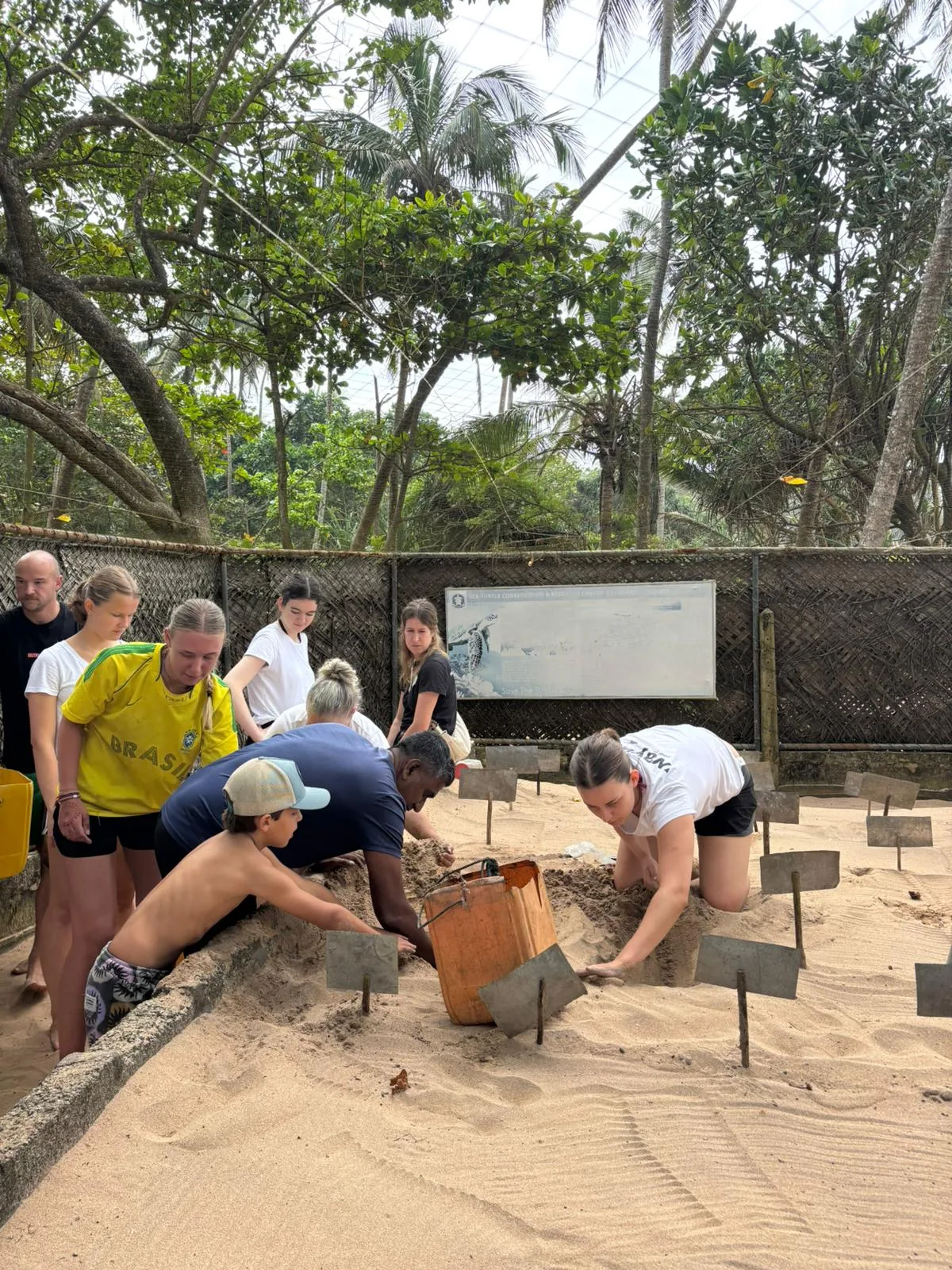
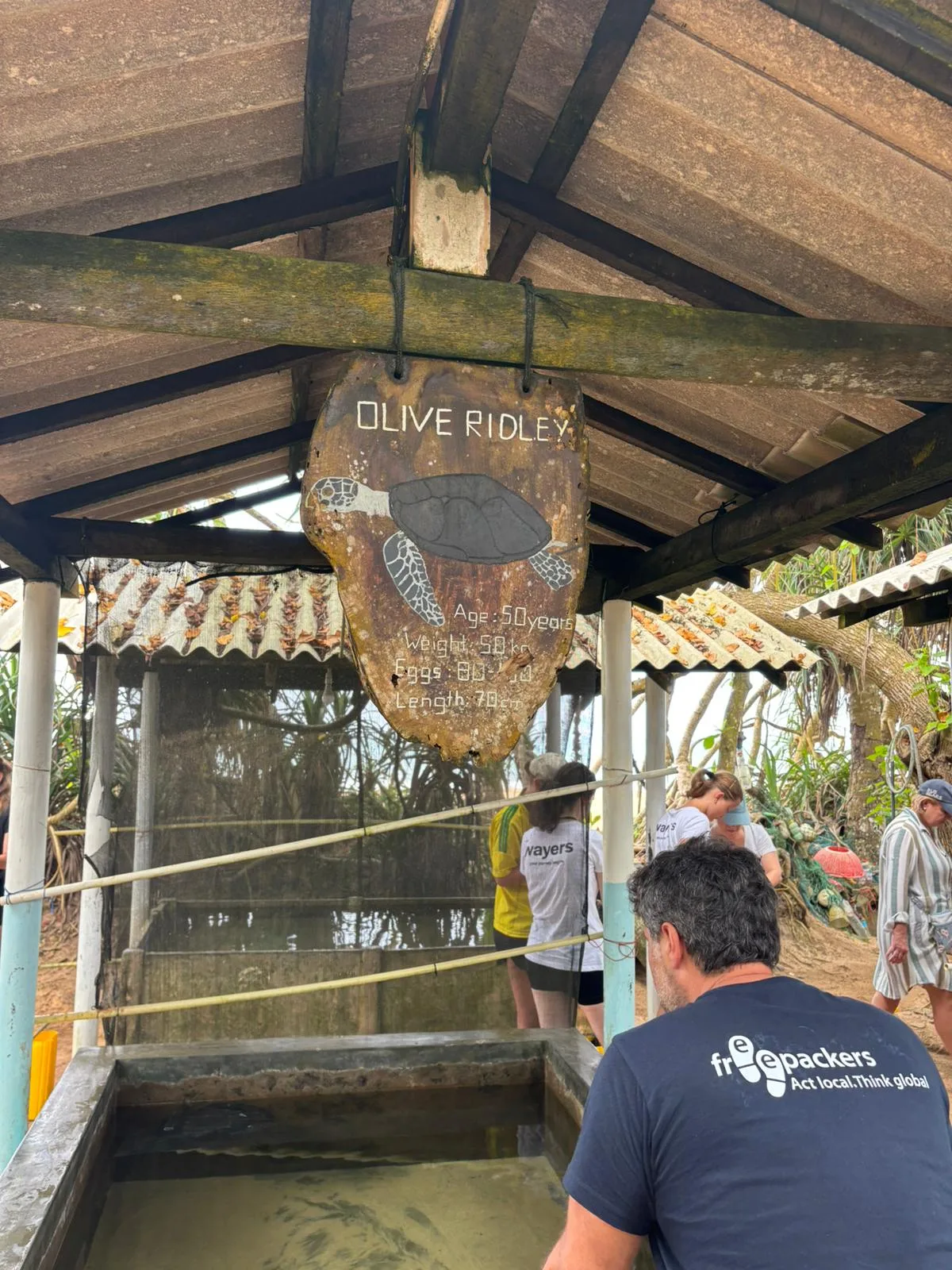
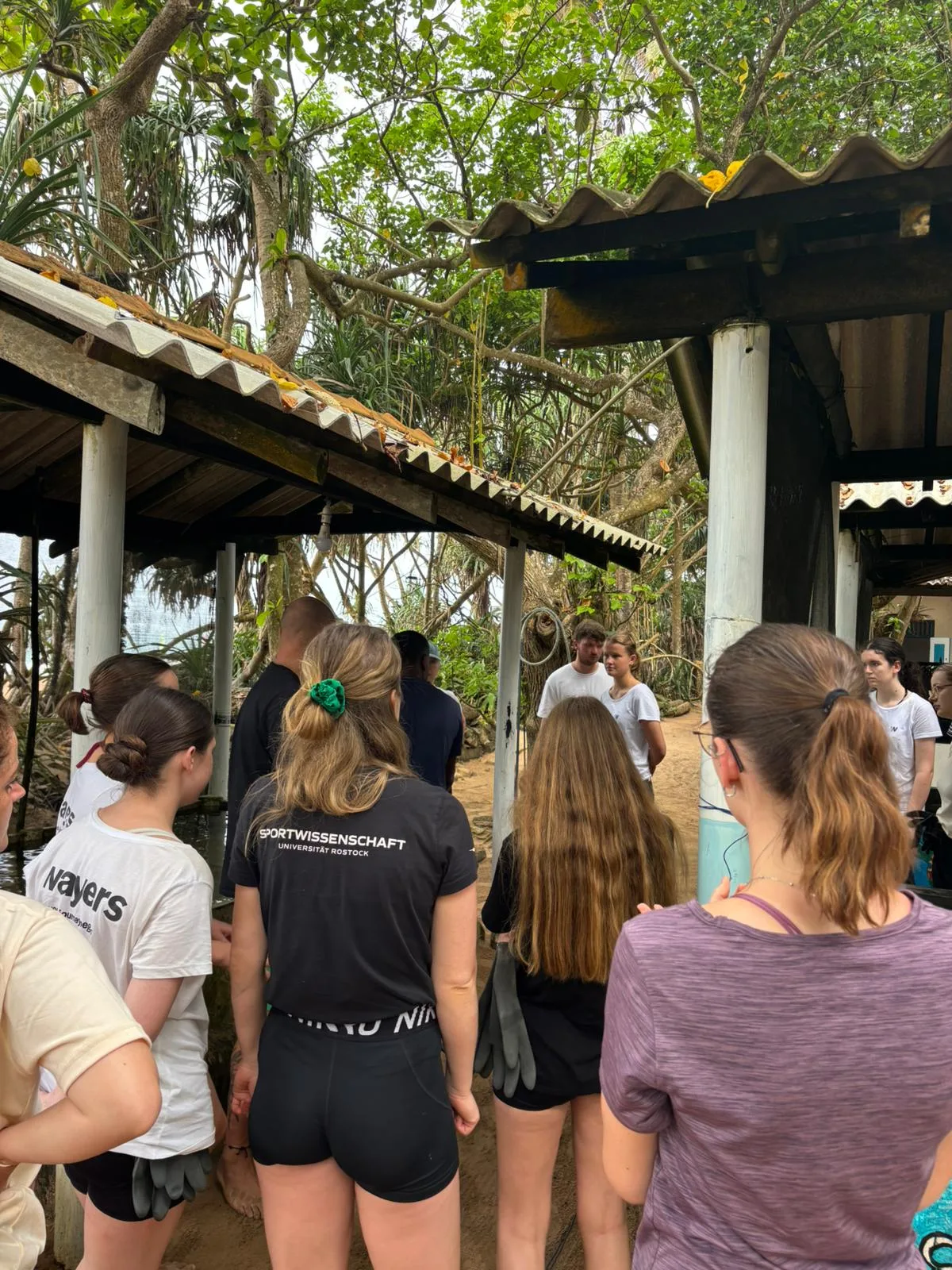
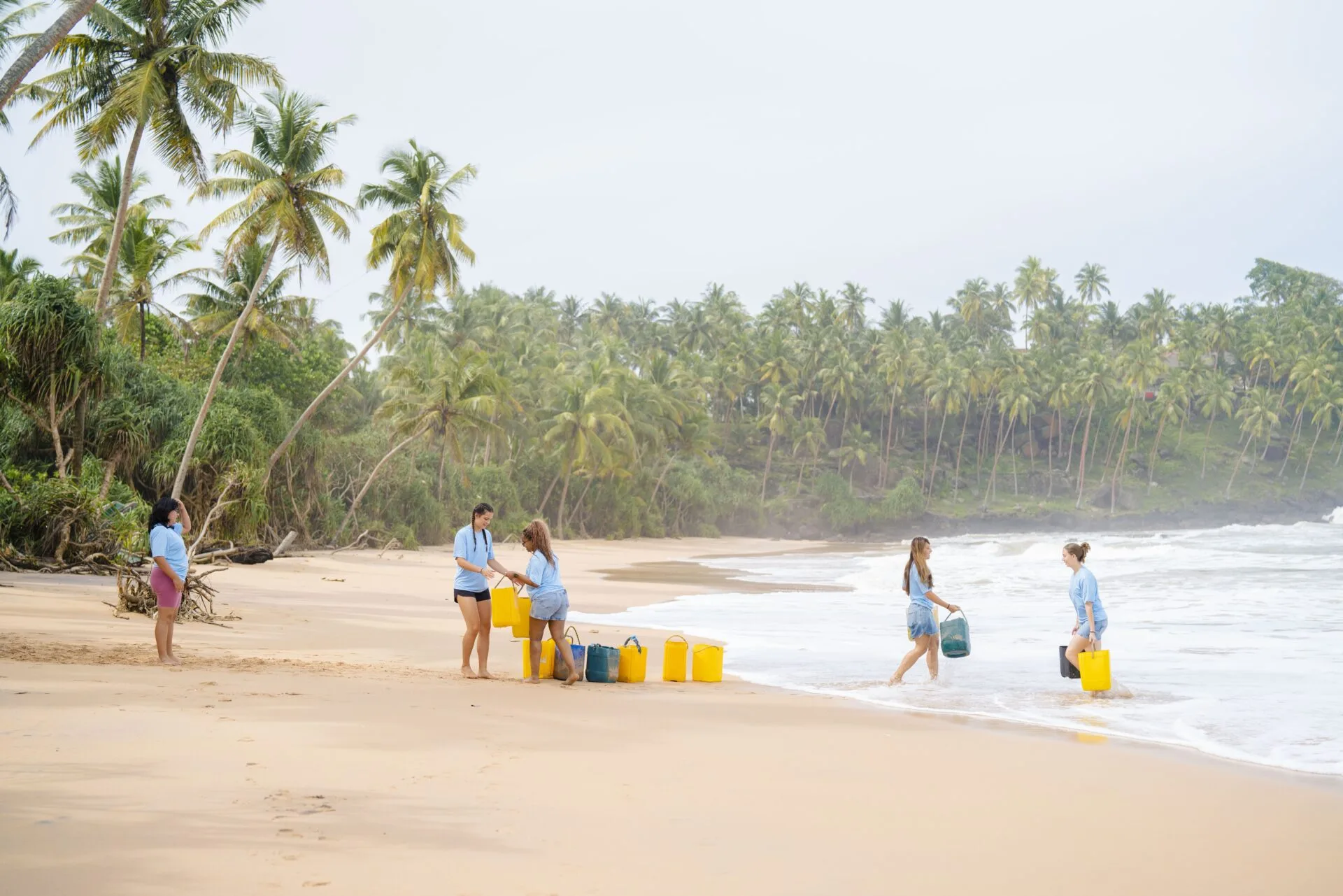
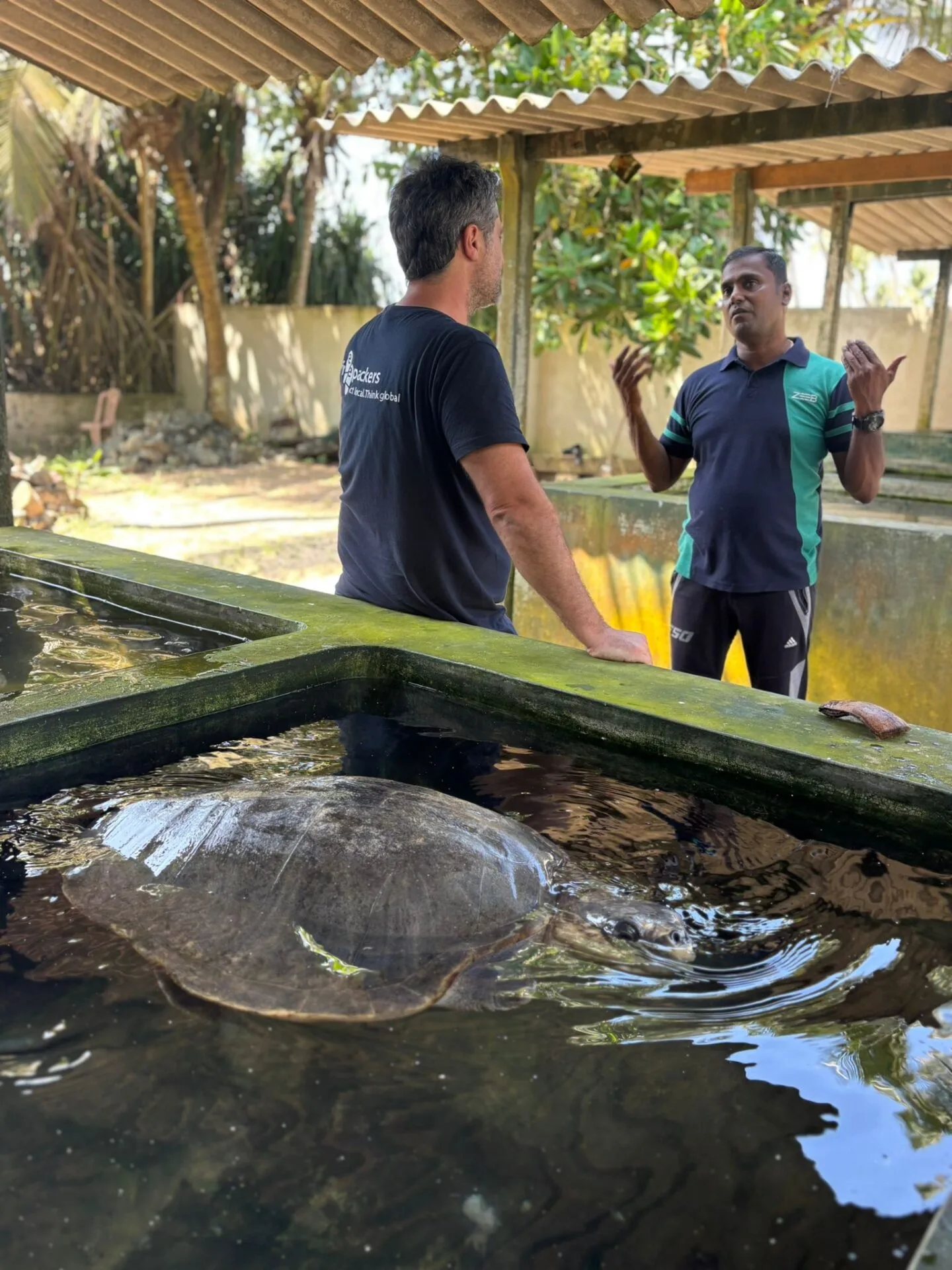
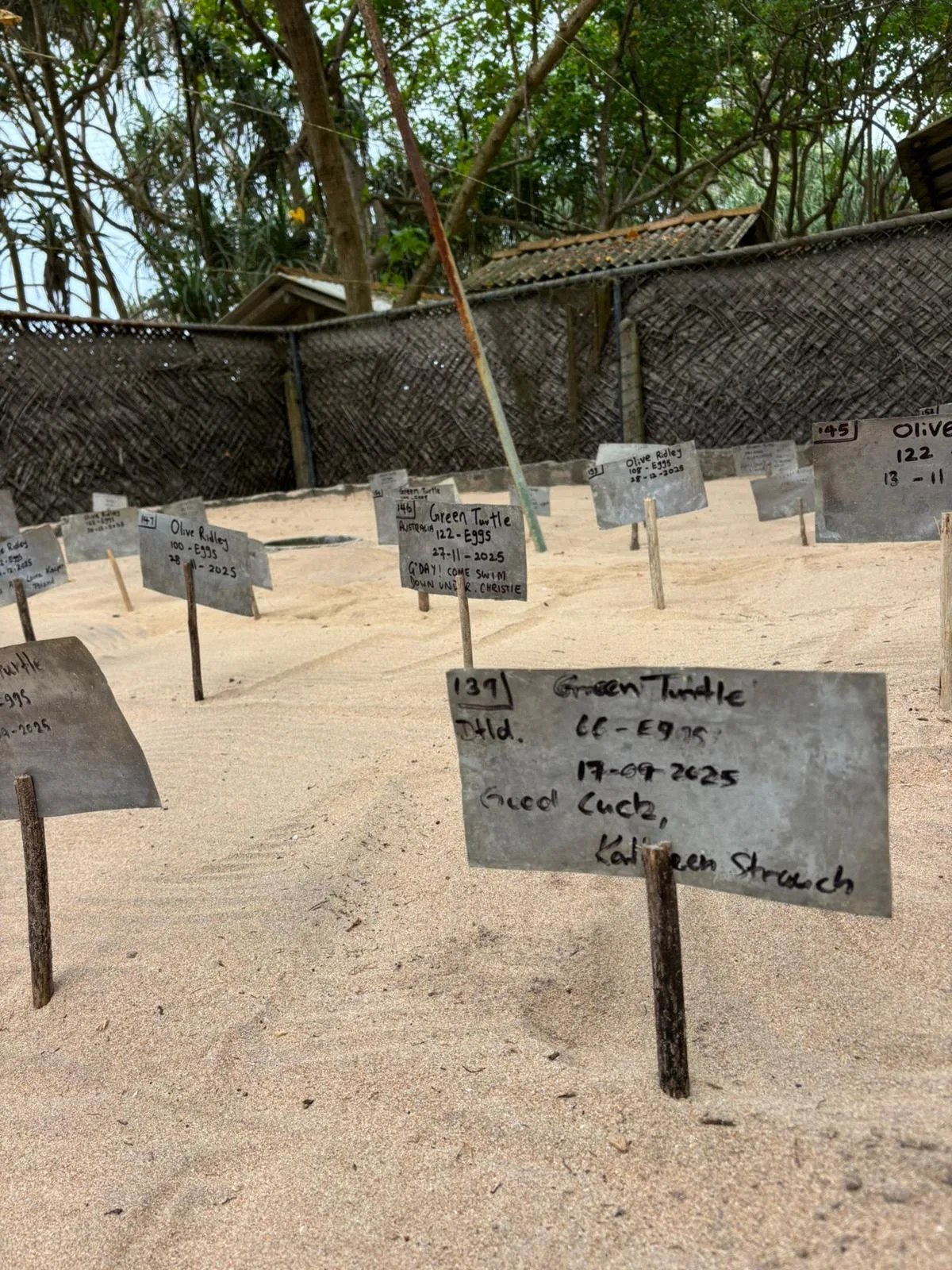
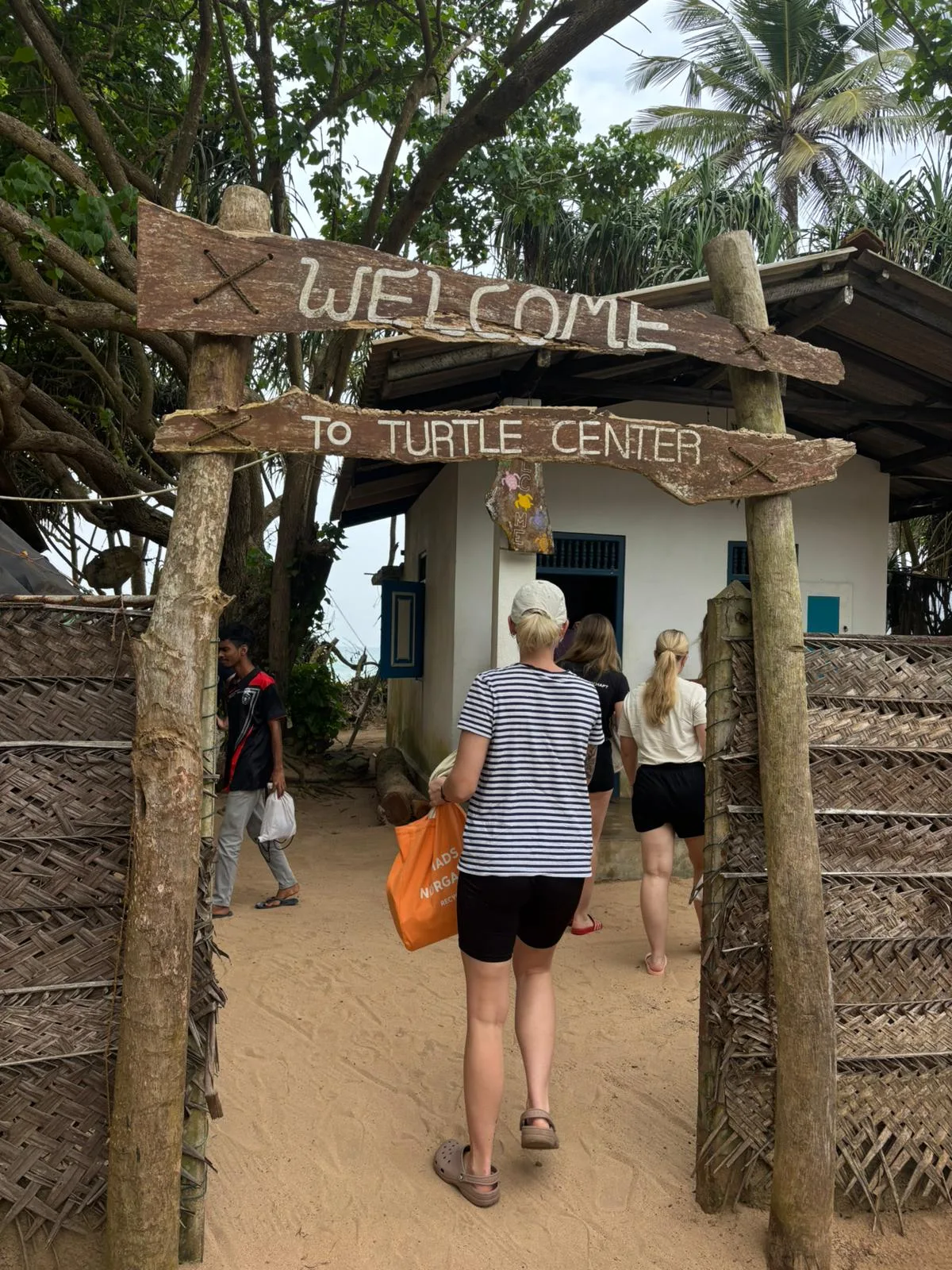
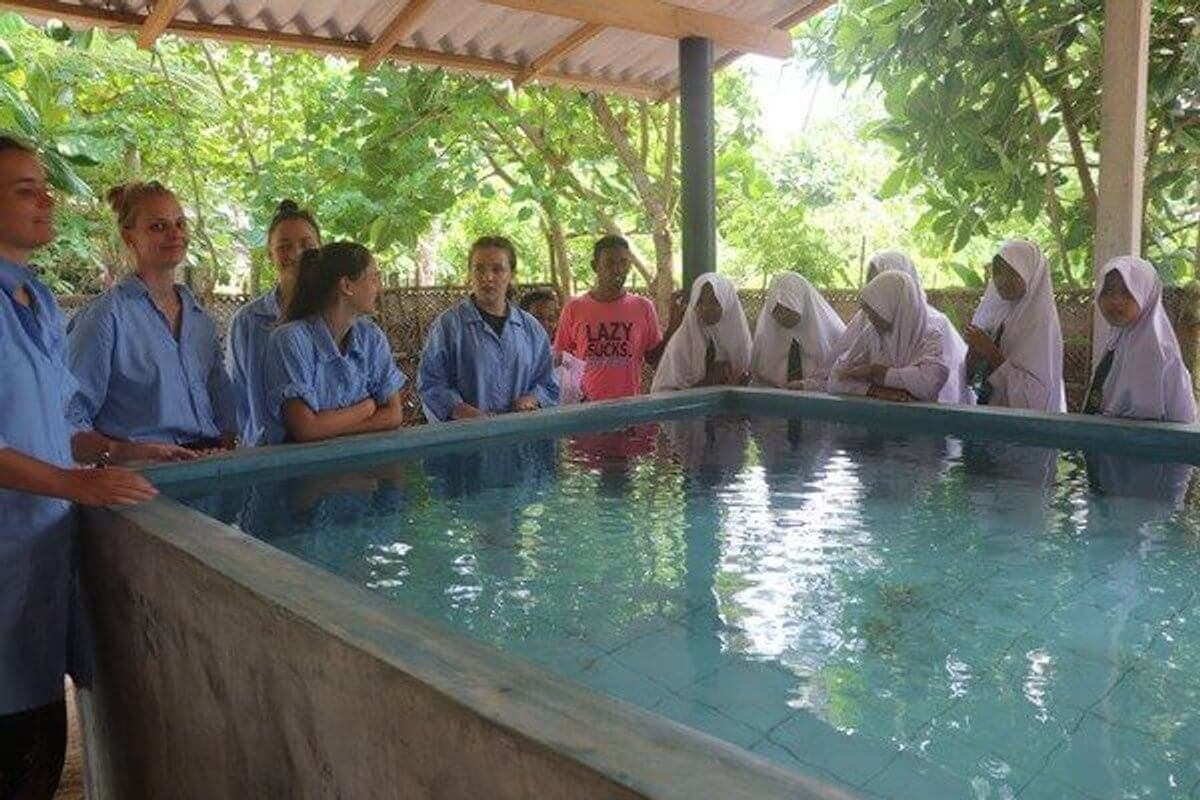
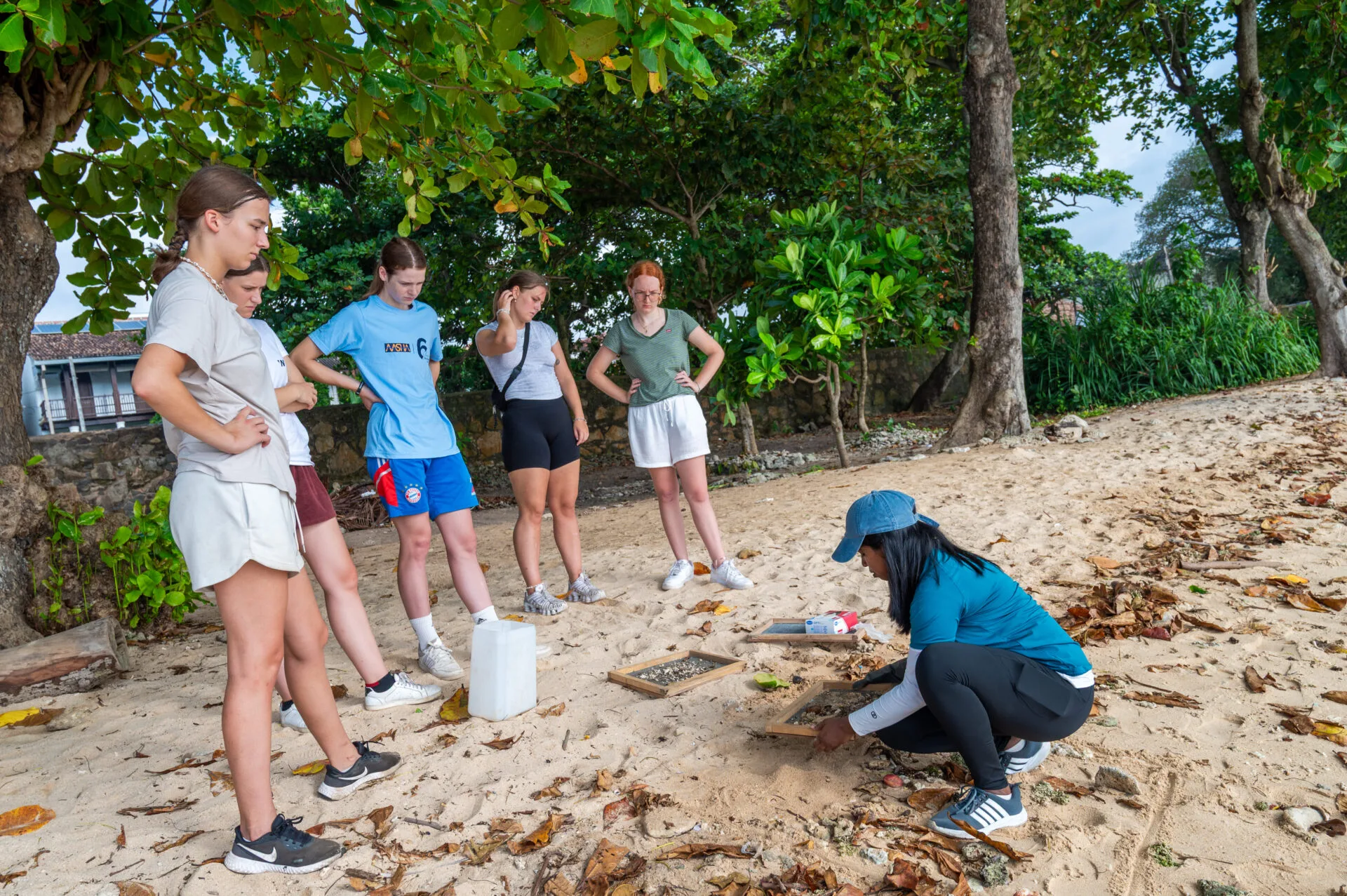
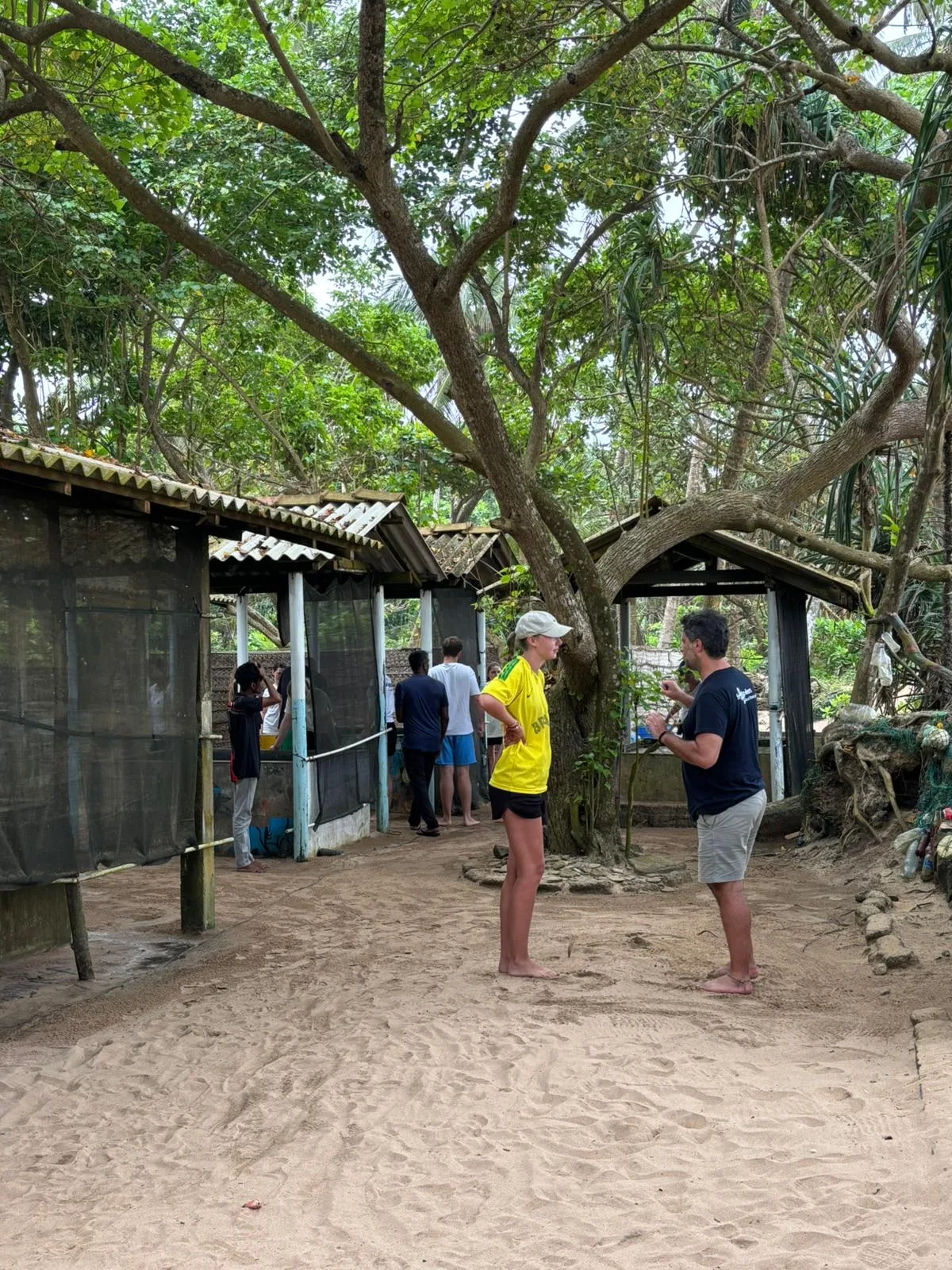
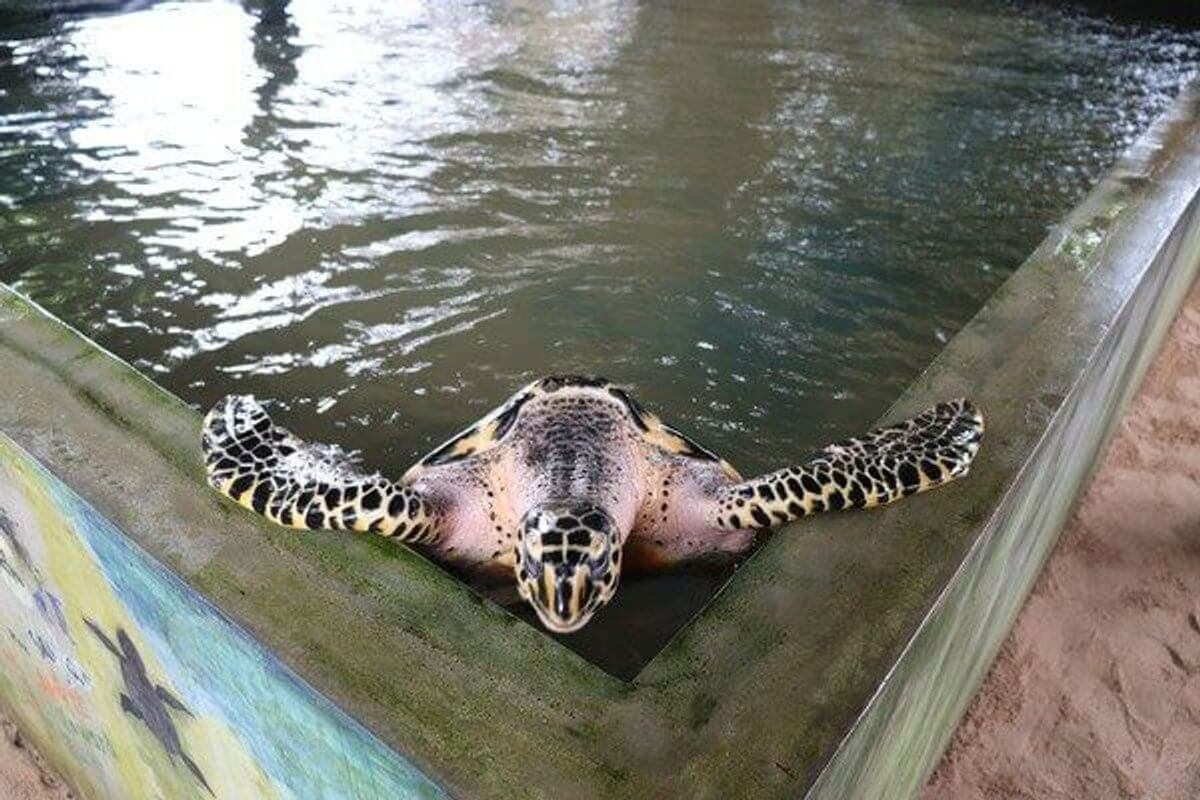
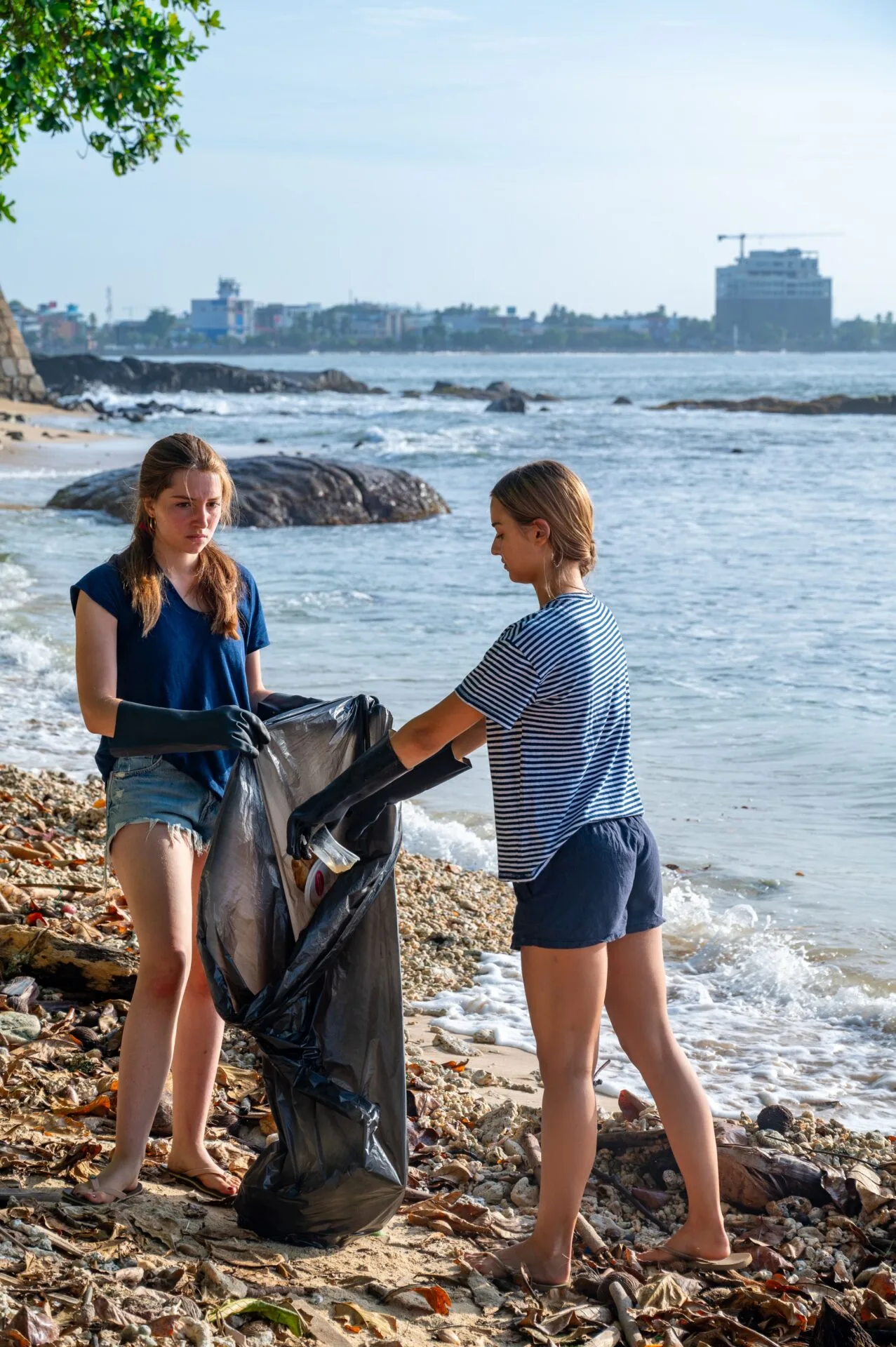
The beaches of southern Sri Lanka are among the last remaining sanctuaries for sea turtles in South Asia. Five species still nest here — all classified as endangered or vulnerable. The project has been working to protect them for several years, alongside the local communities of Galle. By joining this programme, you take part in a full marine conservation effort: turtle care, coastal ecosystem restoration, and night patrols on nesting beaches.
Freepackers is the exclusive French partner of this project. The funds go directly to the local association on the ground — no intermediary, no central fund.
Sri Lanka’s marine ecosystems are under increasing pressure from plastic pollution, coastal habitat destruction, and climate change. Sea turtles — a keystone species for healthy oceans — are among the hardest hit. Without them, reef ecosystems degrade and marine biodiversity collapses.
Our local partner has been working along the country’s southern coast for years: protecting nesting sites, ensuring safe hatching and release of hatchlings, and restoring degraded coastal habitats. Volunteer support is essential to keeping these actions going year-round.
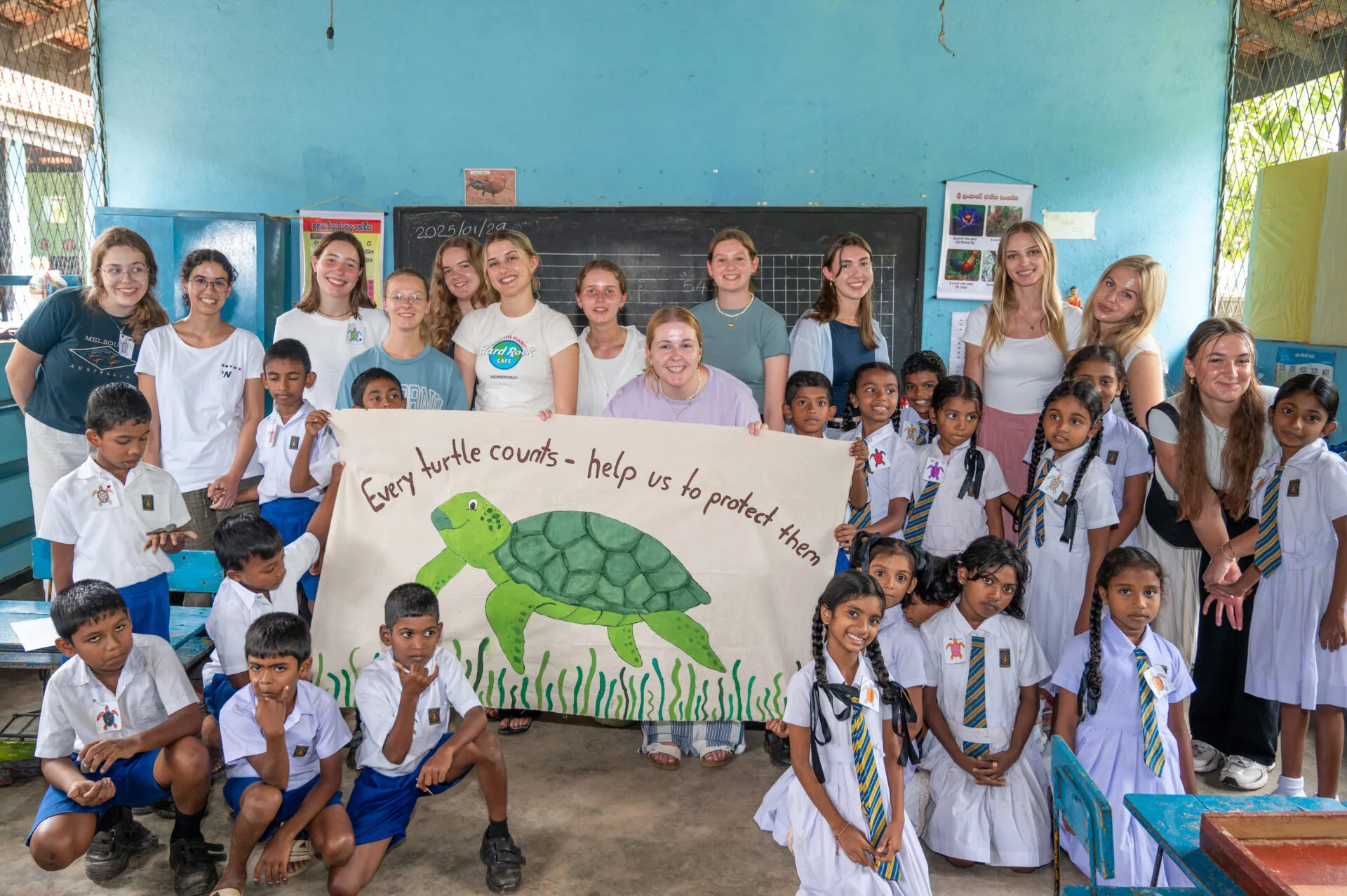
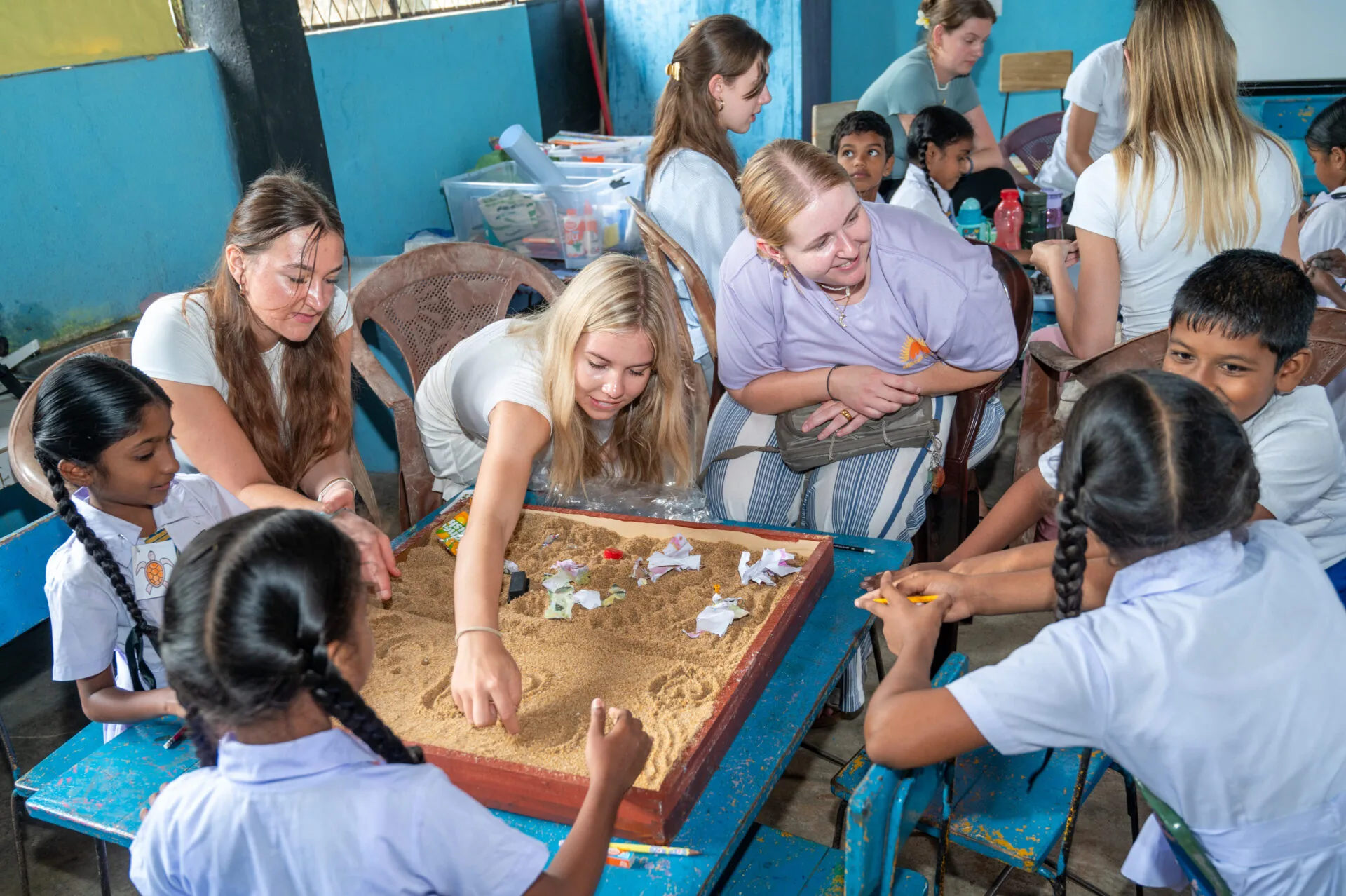
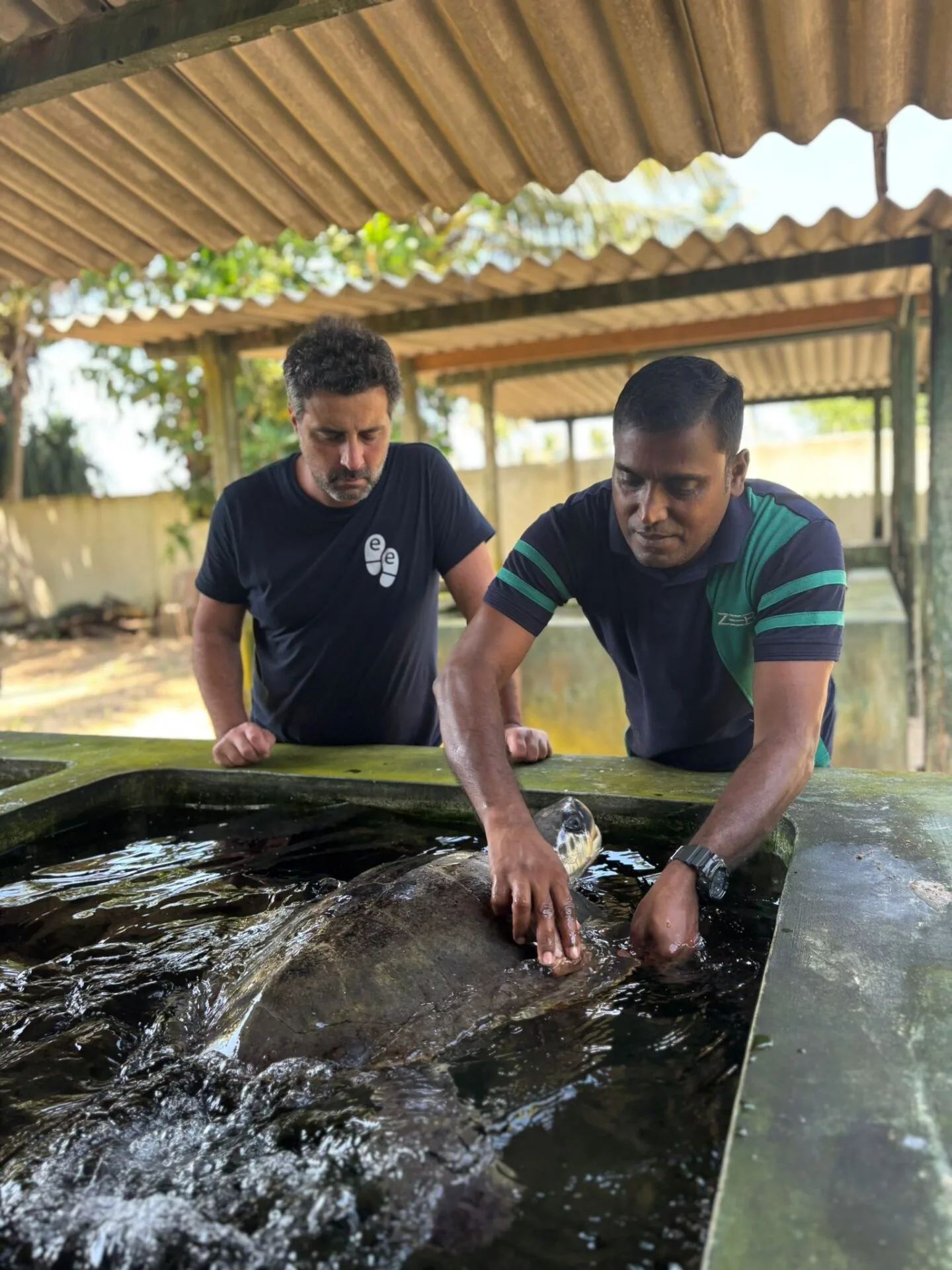
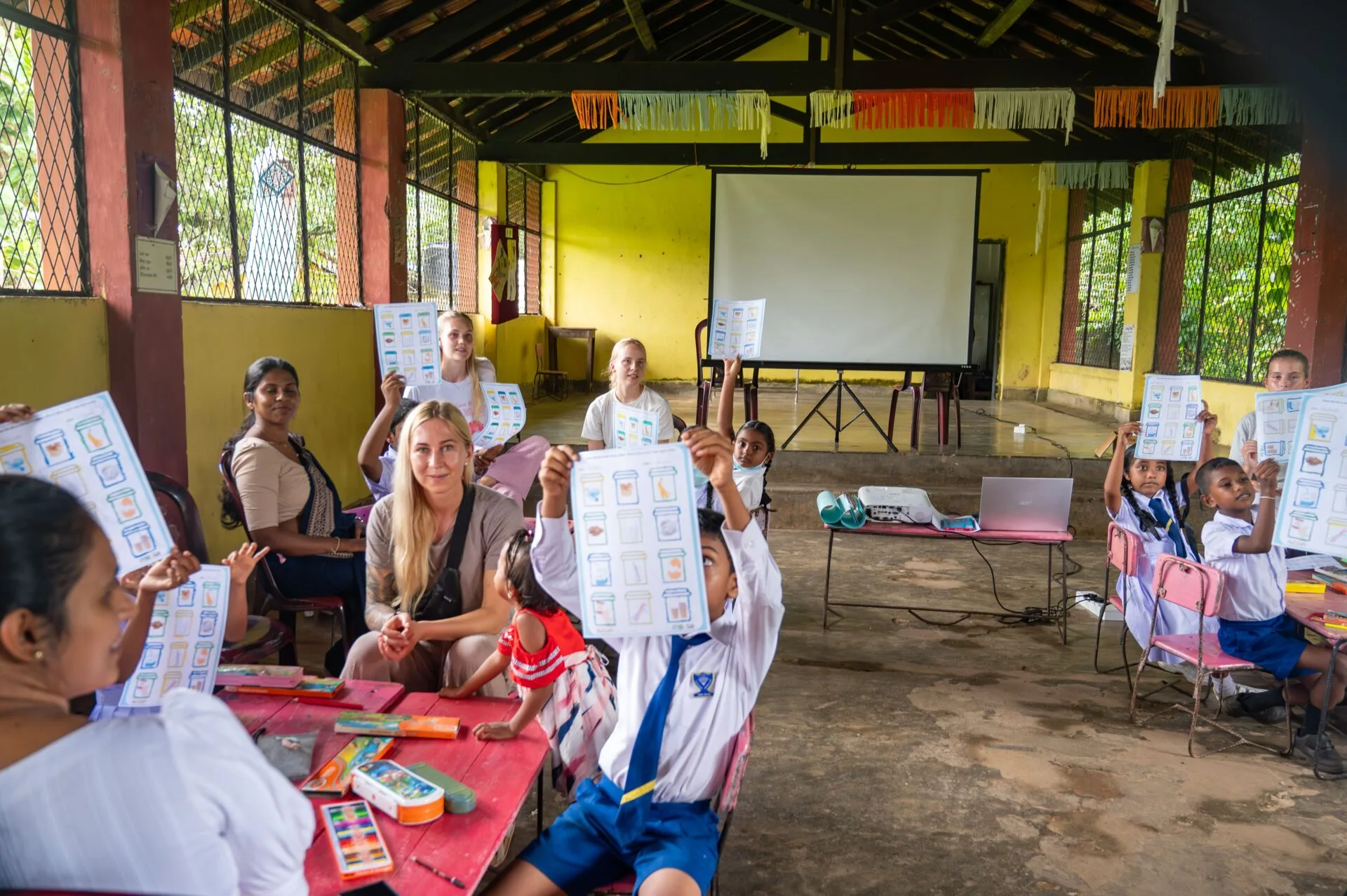
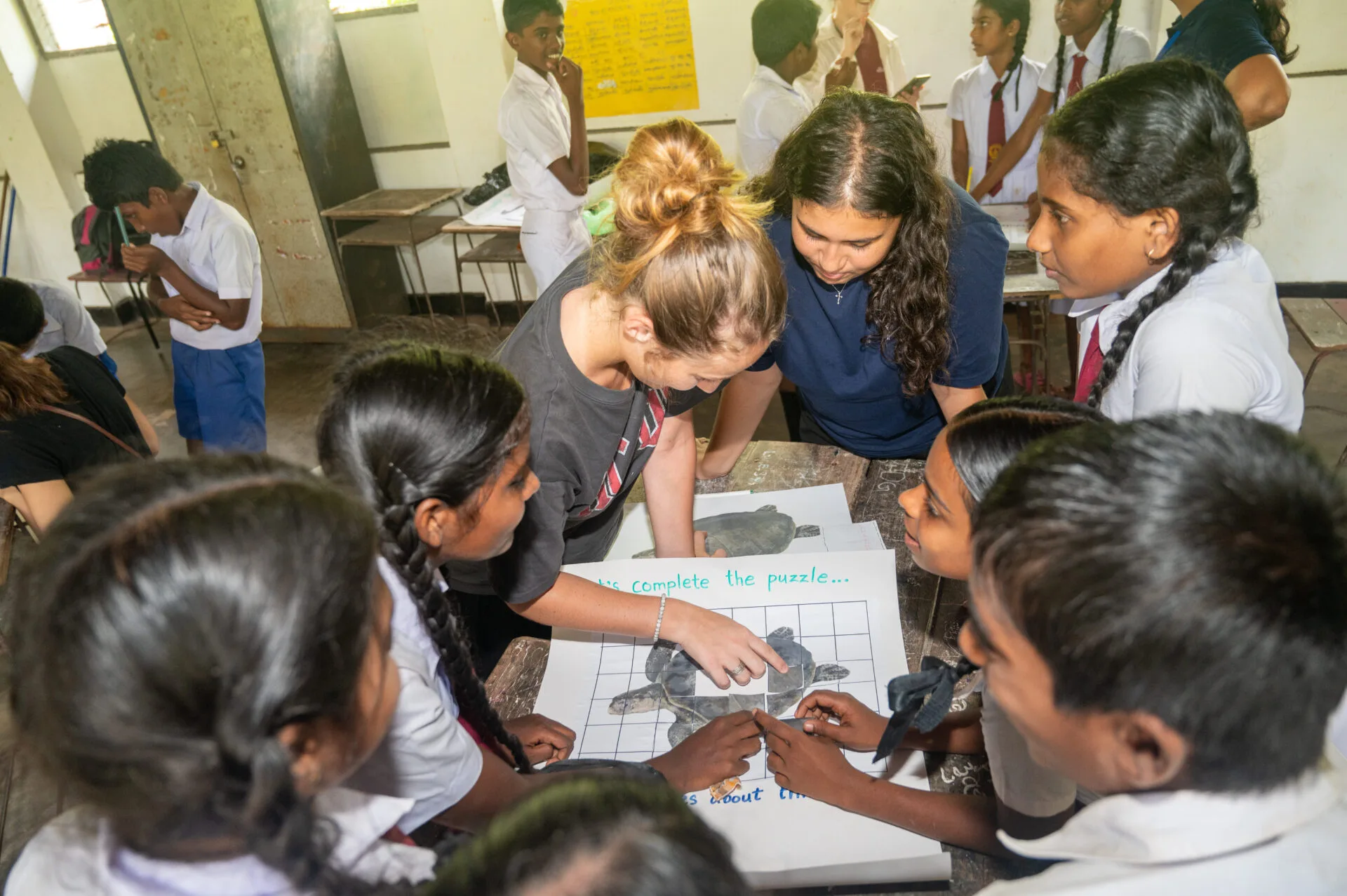
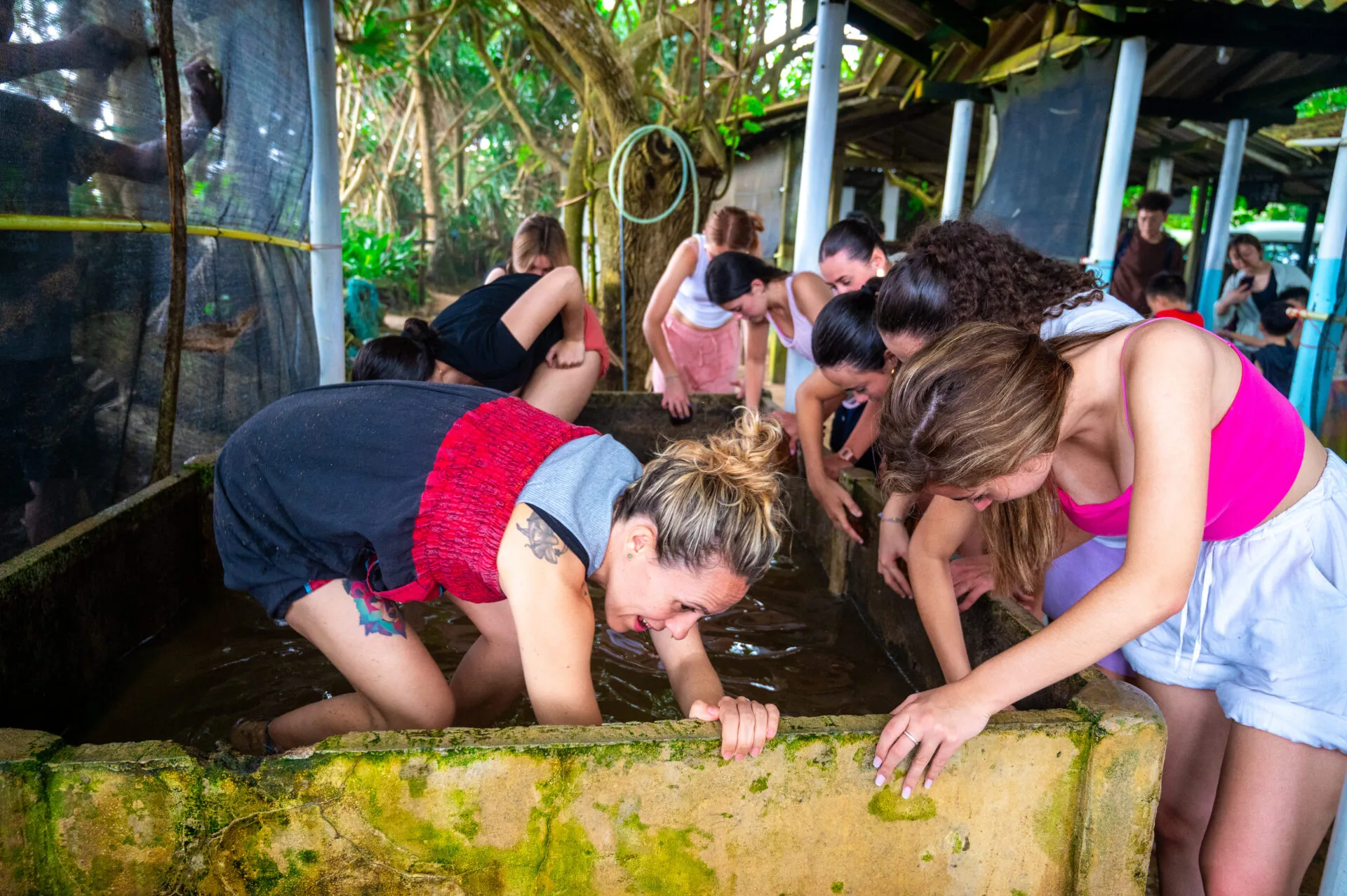
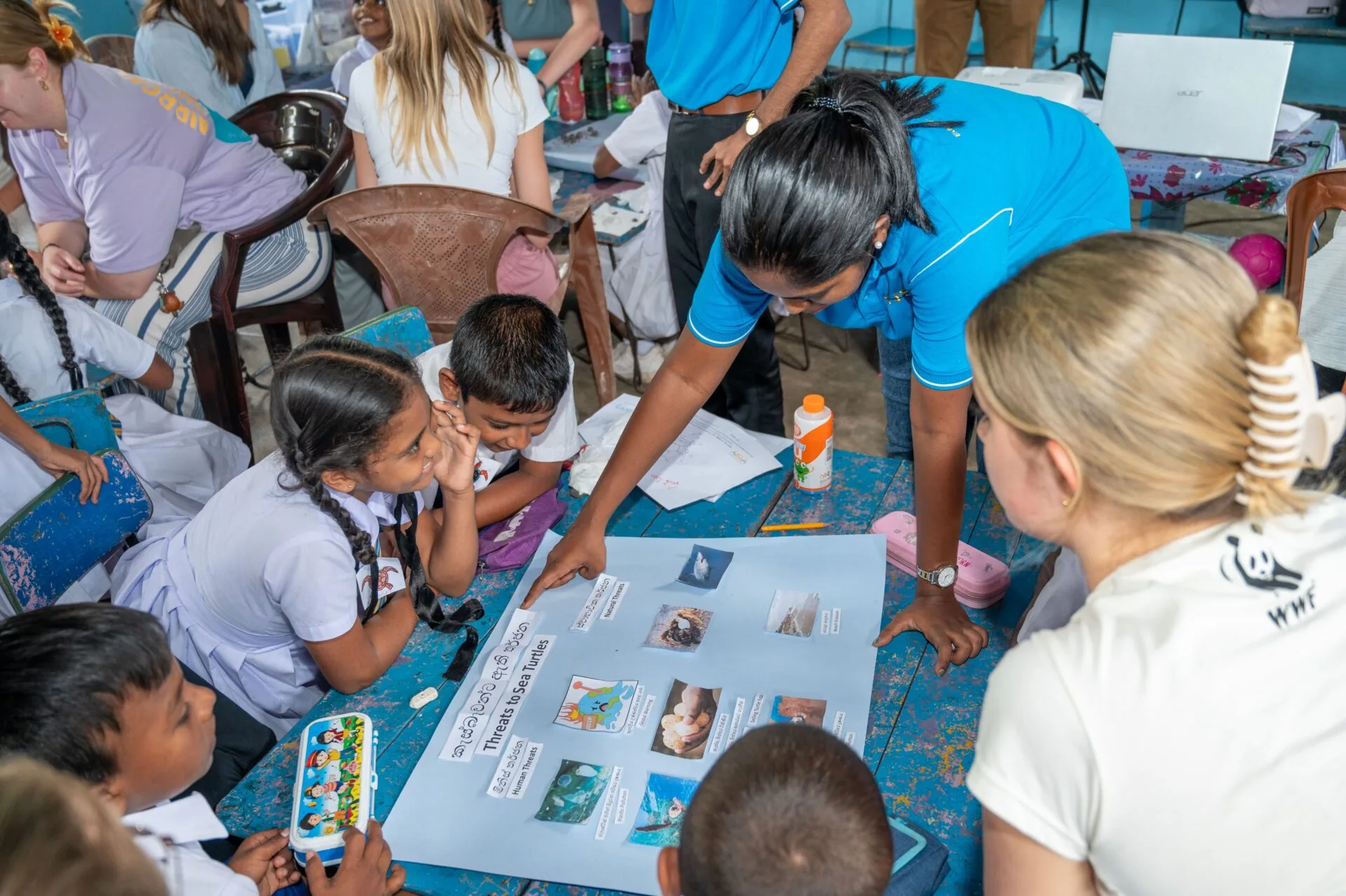
At least 50% of your time is spent directly with sea turtles. The rest is split between broader marine conservation activities and community engagement. Working days are Monday to Friday — weekends are free.
During the main nesting season, volunteer groups spend nights on nesting beaches to observe and document mother turtles laying eggs, and to safeguard nests for safe relocation. It is one of the most striking experiences the programme has to offer.
In addition to your project, those who wish can choose to take part in a one-week tour to explore the very best of Sri Lanka’s beauty and diversity. From Galle to Sigiriya, via Kandy and Ella, you will discover the southern, central, and western regions of this magnificent tropical island.
Please contact us to find out the departure dates and price.
“This responsible travel experience is perfectly suited to families with young children. It is a fun and engaging way to introduce younger children to the world of eco-volunteering and sustainable projects.”
Duration during the week | Budget total mission |
|---|---|
1 week | 990 € |
2 weeks | 1190 € |
3 weeks | 1440 € |
4 weeks | 1690 € |
5 weeks | 1940 € |
6 weeks | 2190 € |
7 weeks | 2440 € |
8 weeks | 2690 € |
9 weeks | 2940 € |
10 weeks | 3190 € |
11 weeks | 3440 € |
12 weeks | 3690 € |
A 200€ supplement applies to participants under 18 years old in order to cover the specific logistics and support required for minors, More information on this link Humanitarian Trips for Youth
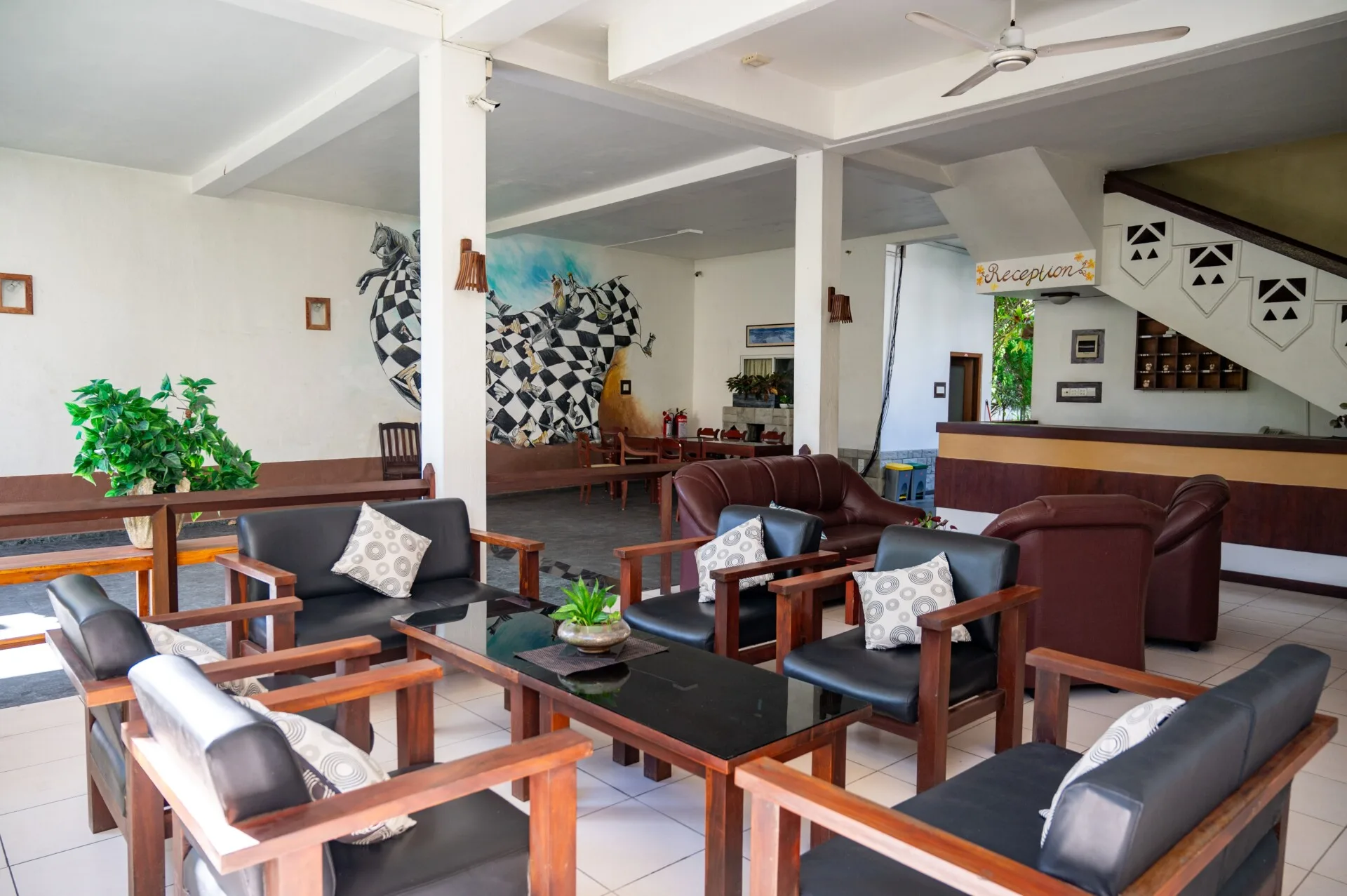
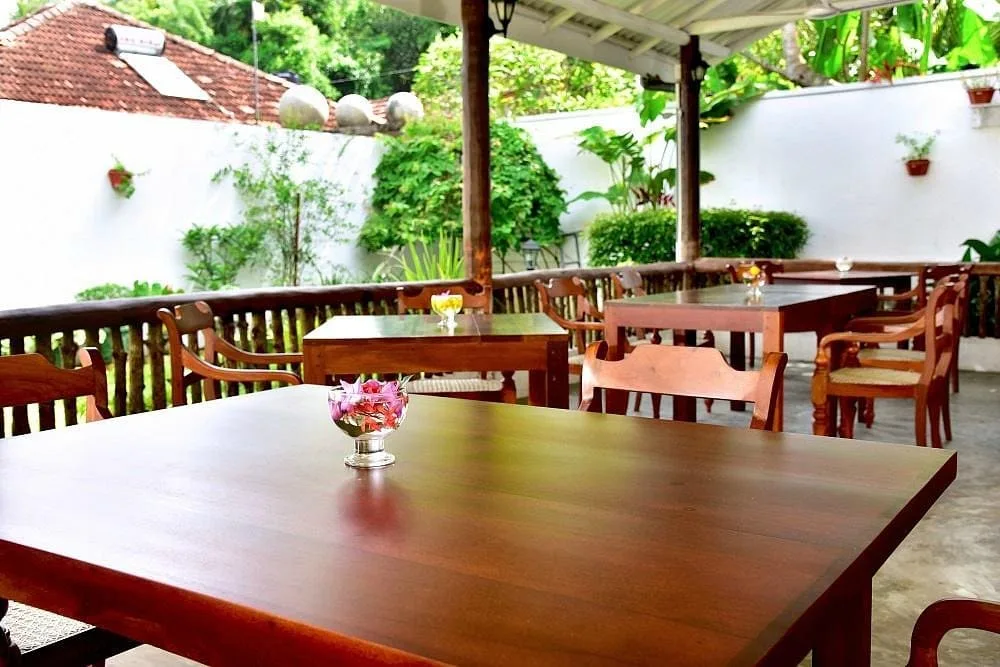
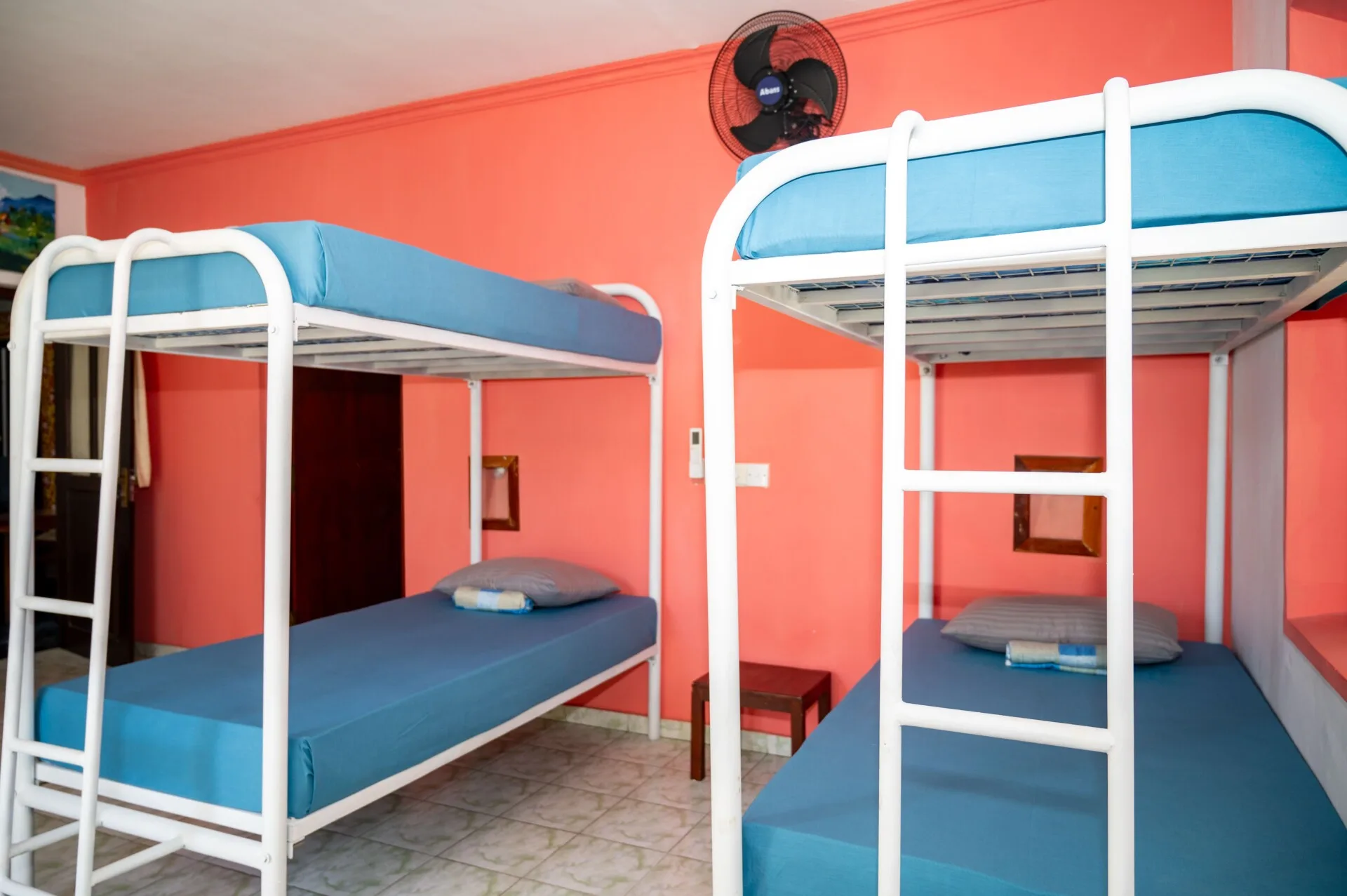
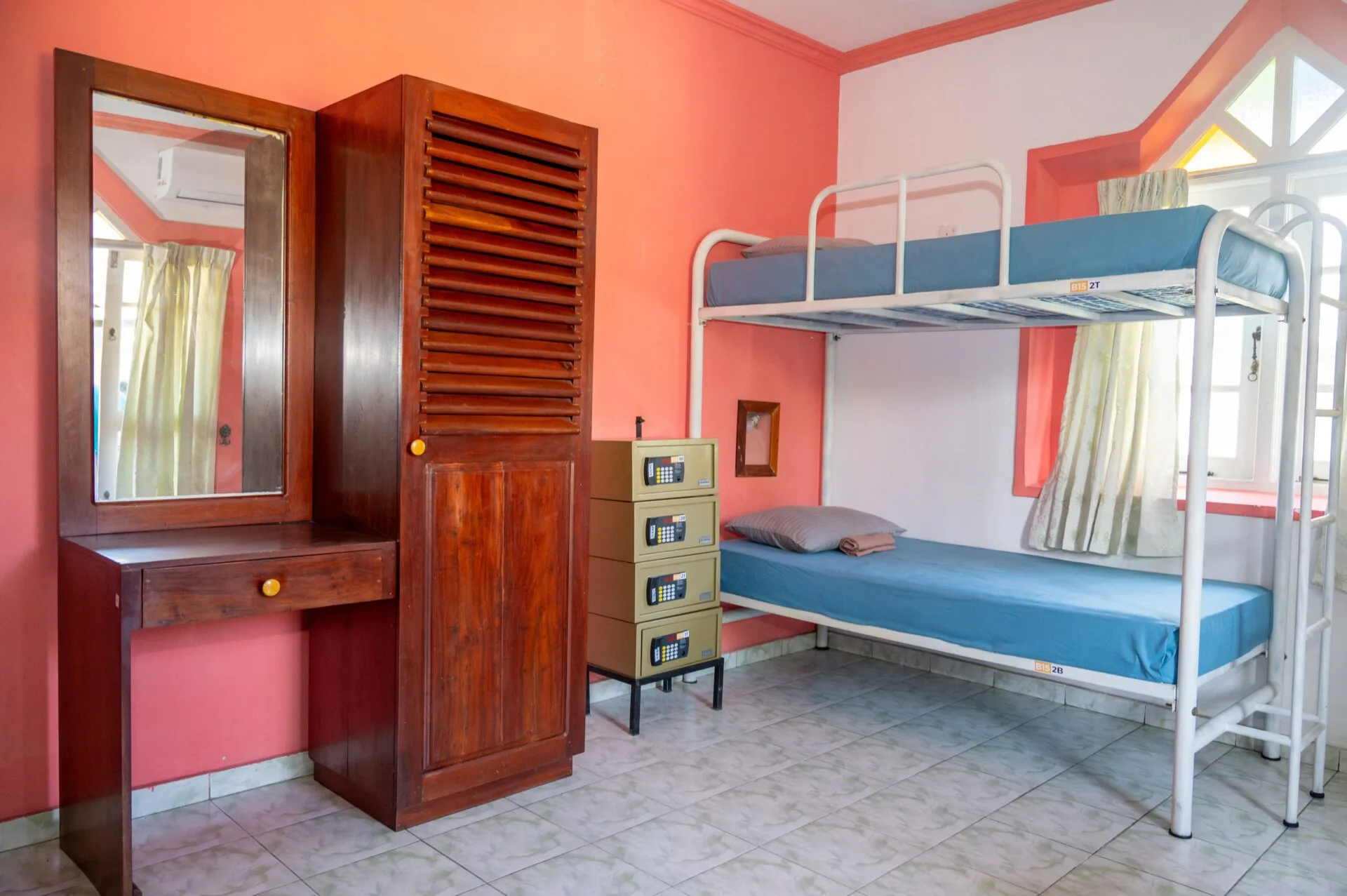
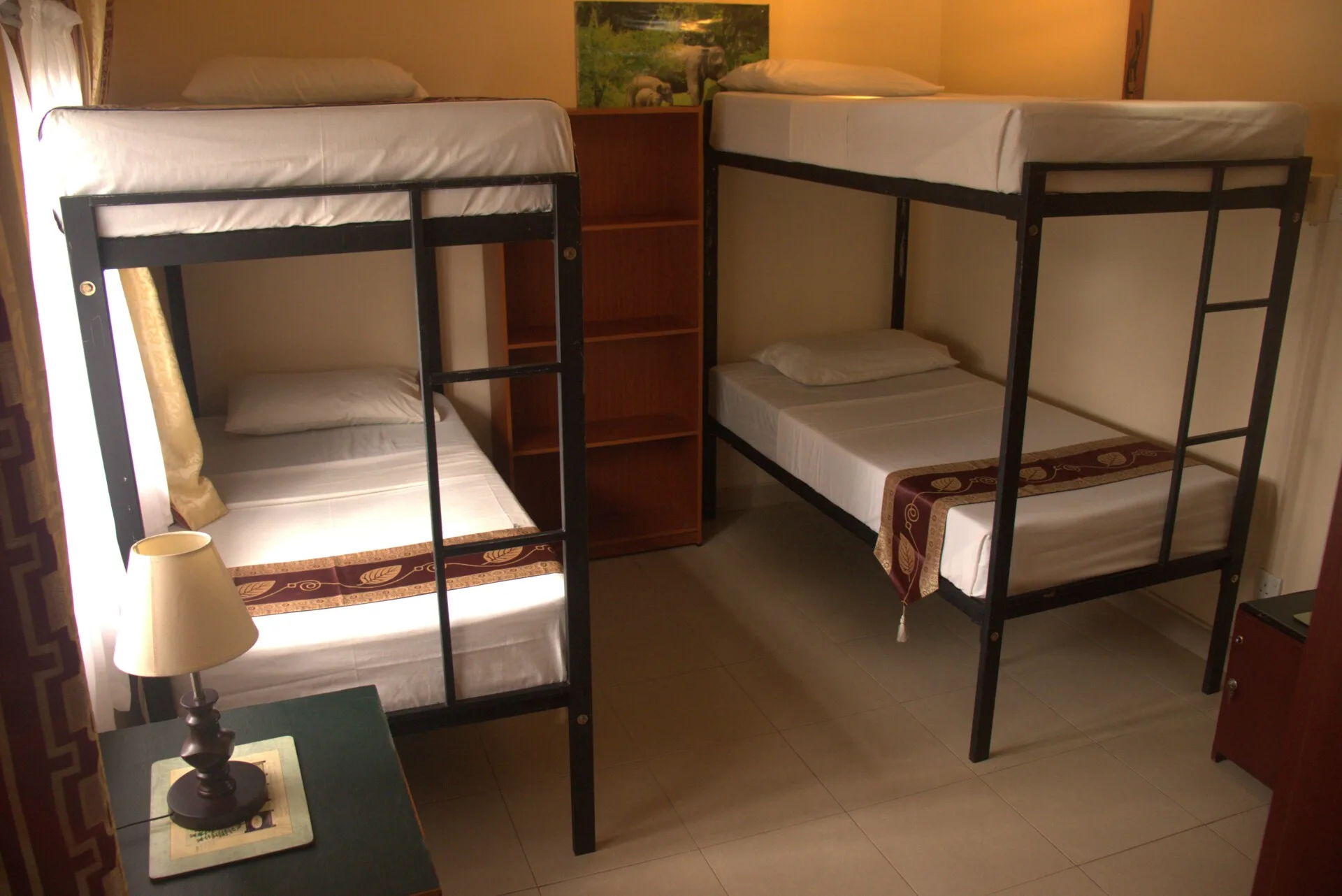
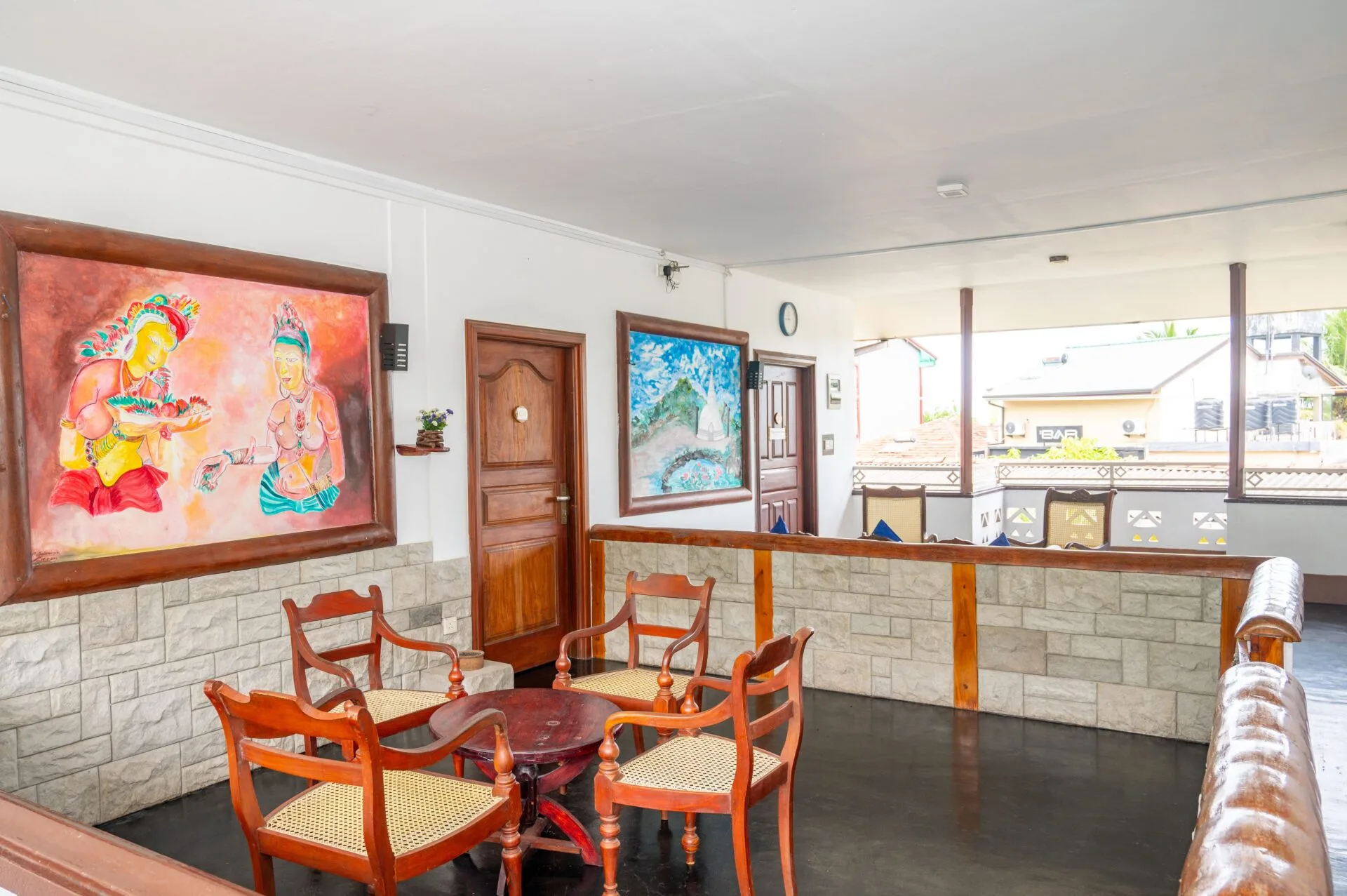
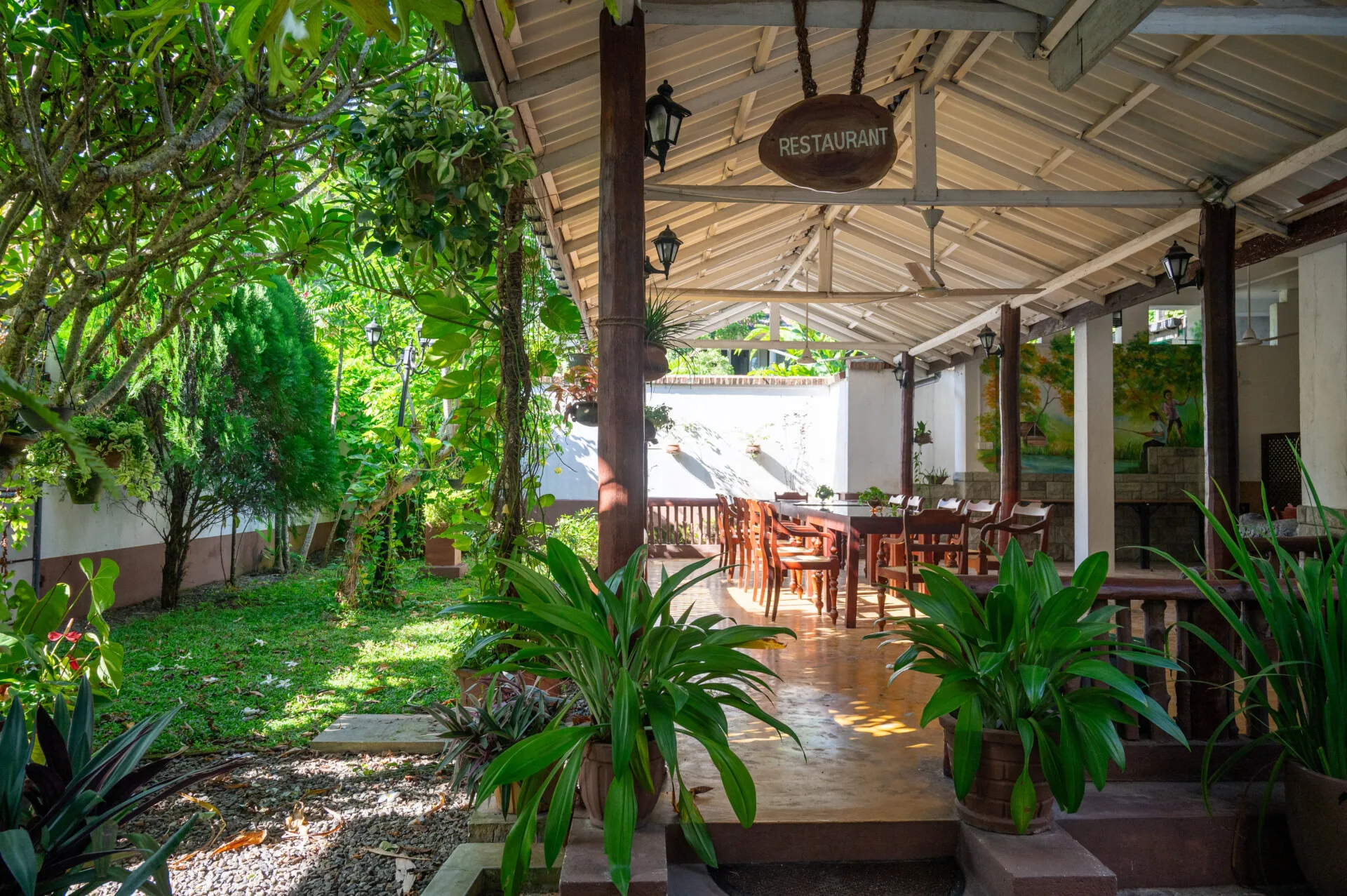
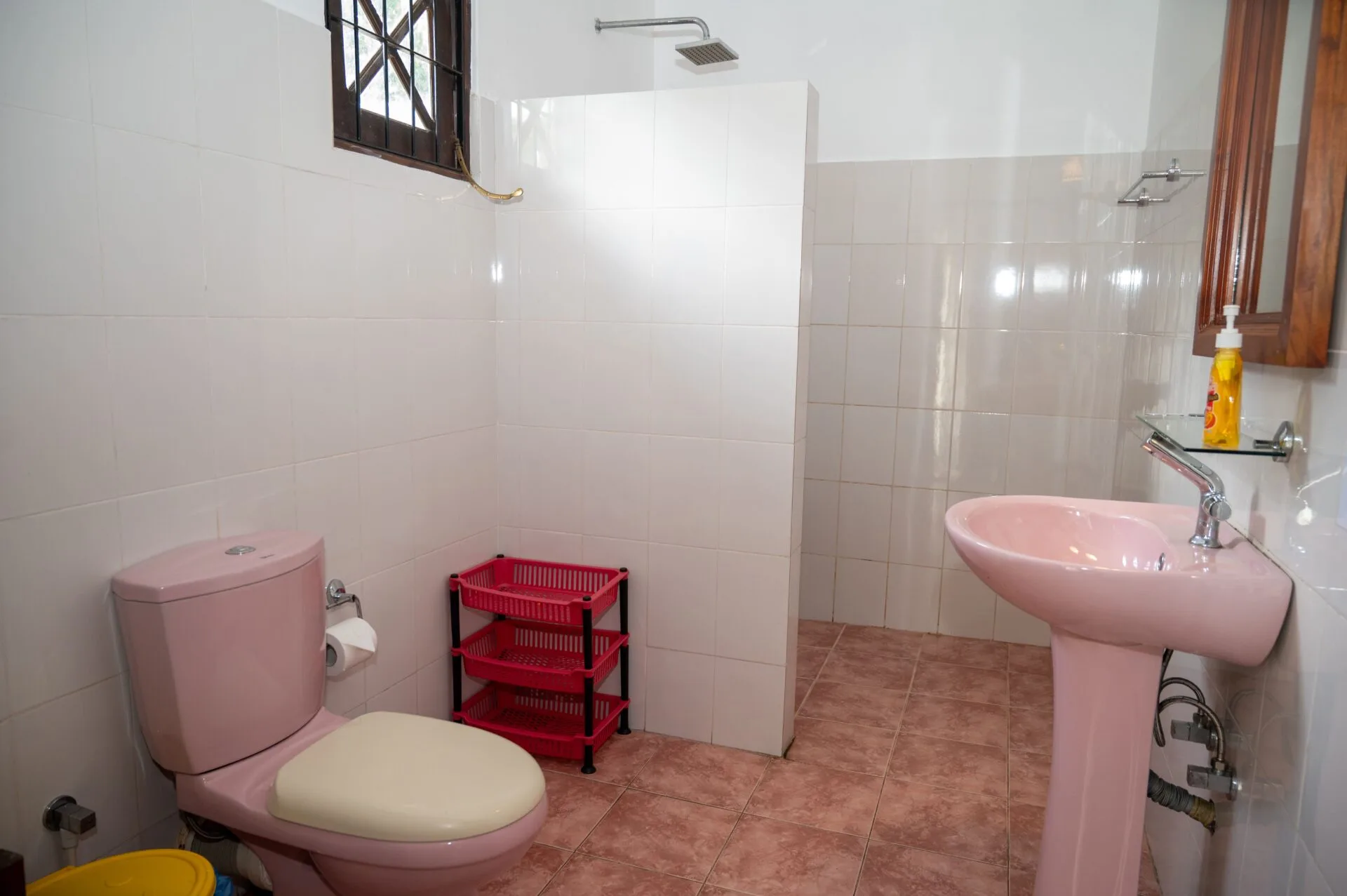
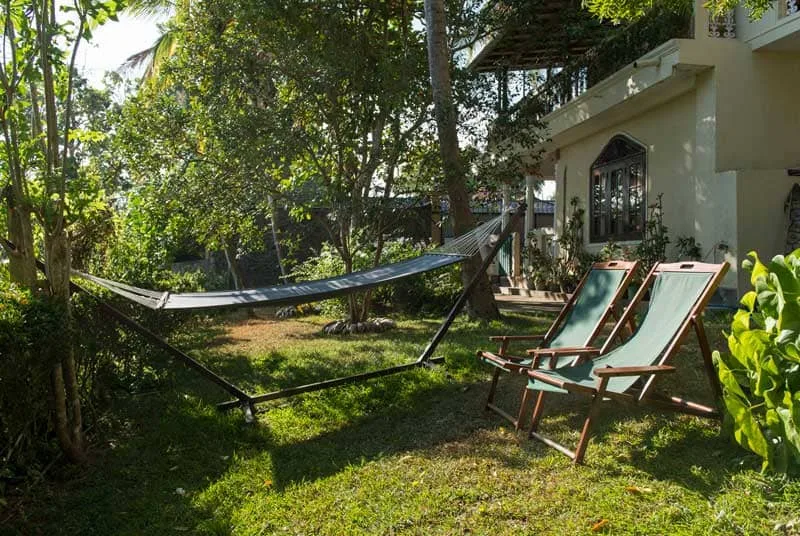
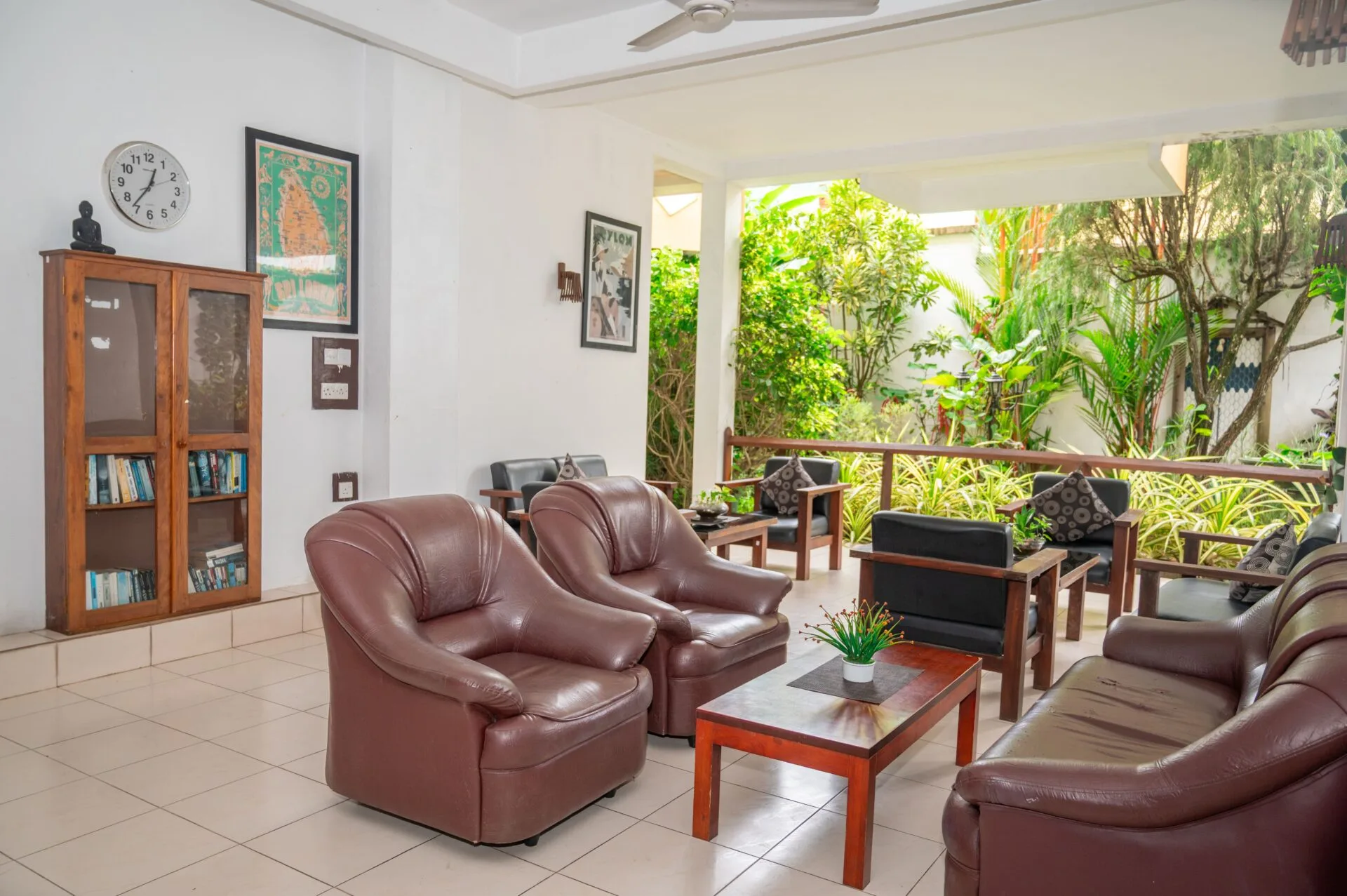
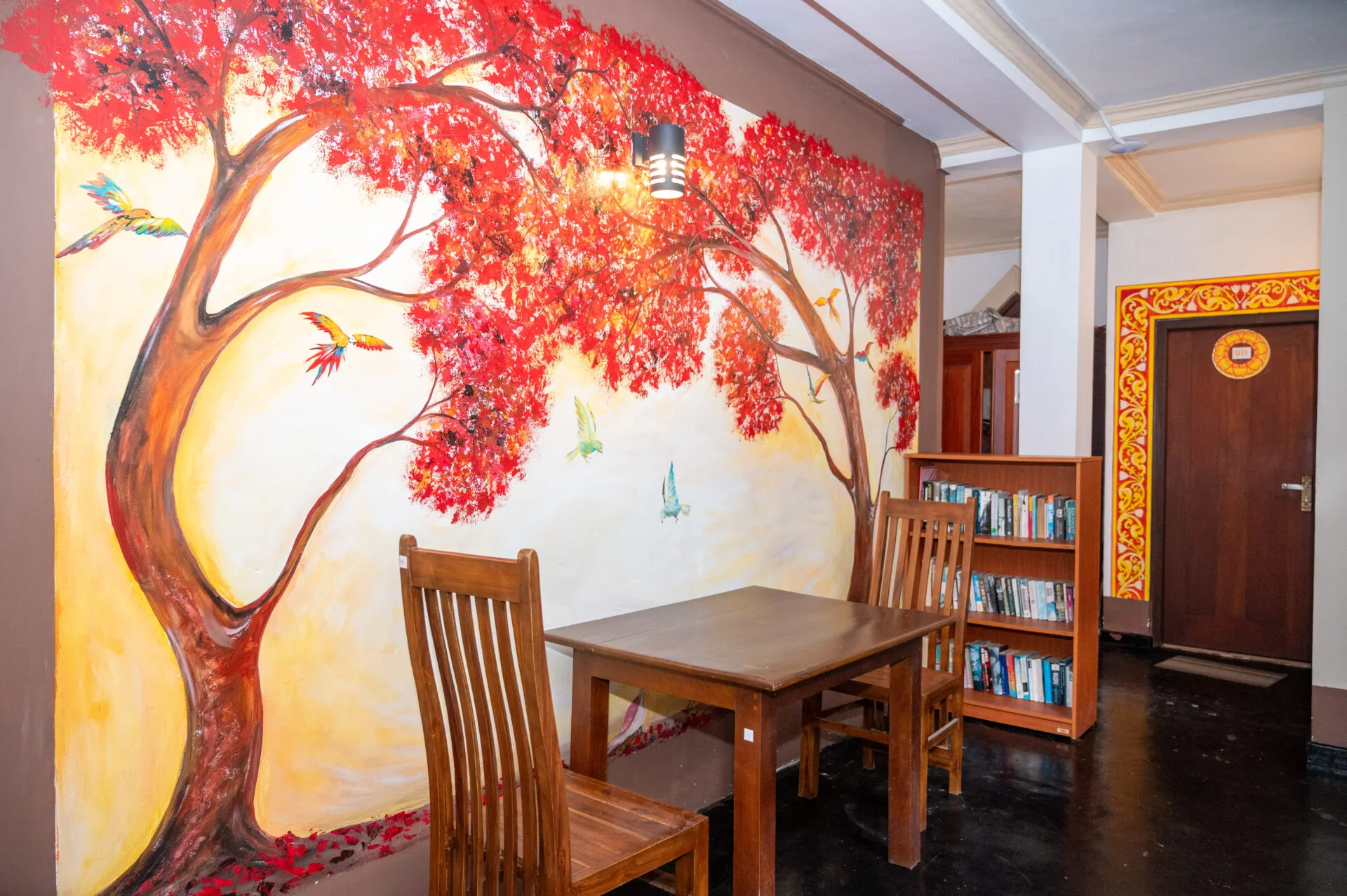
You’ll be staying at Unawatuna, 15 minutes by car from Galle city centre and a 5-minute walk from the beach. The volunteer house has several shared rooms (non-mixed, 4 to 6 people per room) with bathrooms and an outdoor space to relax.
Private, double, and family rooms are available at an extra cost. Contact us for rates.
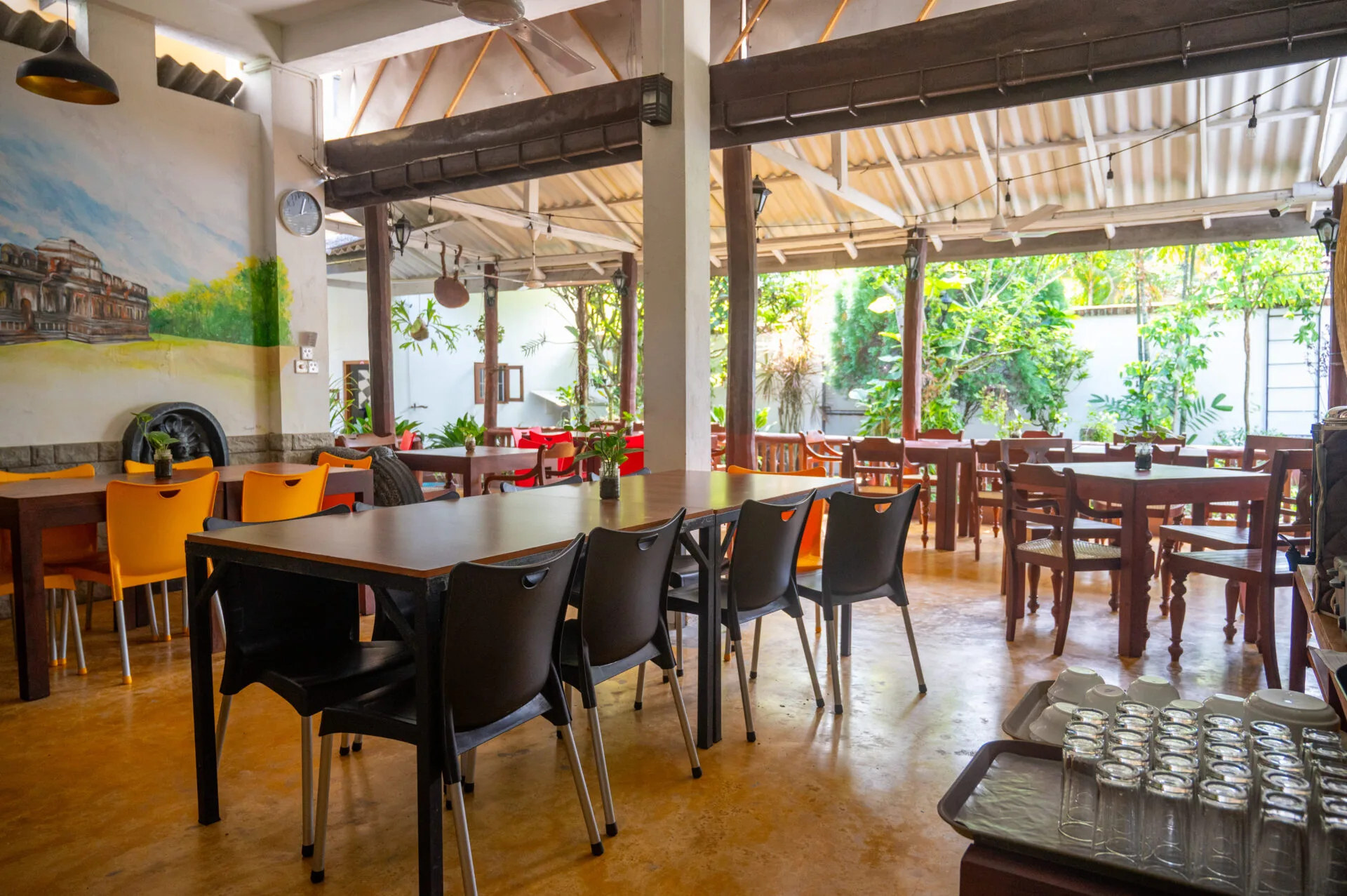
3 freshly cooked meals per day included (breakfast + lunch + dinner).
Local transport to and from the project is included every day. The main turtle conservation centre is 60–70 minutes from the volunteer house; other project activities are 15–40 minutes away.
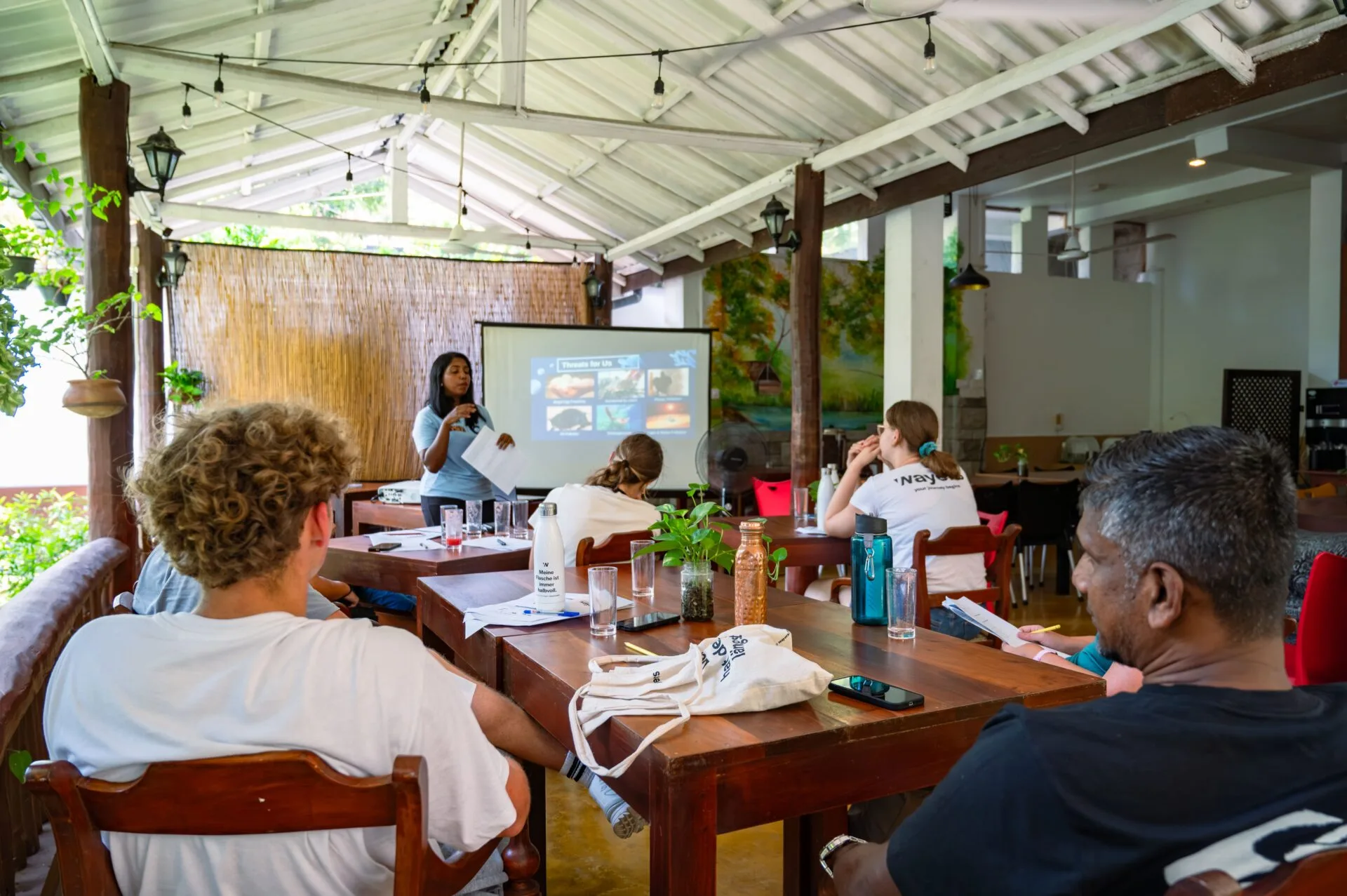
On arrival, volunteers receive a full orientation programme covering health and safety, local culture, and an area tour around Galle. The project coordinator introduces all activities, provides ongoing guidance, and is available throughout your stay.
Light, comfortable clothing that covers well — Sri Lanka is a predominantly Buddhist country and locals tend to dress conservatively. Quick-dry fabrics are recommended for water-based activities such as river clean-ups. Comfortable shoes or sandals for most days. Sunscreen is essential as most work is outdoors. For school visits: long trousers and a t-shirt covering knees and shoulders.
Colombo Bandaranaike International Airport (CMB).
Freepackers is the exclusive partner in France for this project in Sri Lanka. We guarantee ethical projects with quality supervision, carefully selected and monitored through regular on-site visits. Donations are fully and directly reinvested in local associations, ensuring real and transparent local impact.
For all international projects, Realstep requires participants to take out travel insurance covering accidents, illness, and repatriation, as well as civil liability for professional activities abroad.
For complete protection while studying or interning abroad, you can take out Cap Student insurance online by following this link Student insurance abroad | Chapka Assurances, which will give you a 5% discount.
If you take out another insurance policy, we will ask you to send us a copy of your certificate in English.
Achieve the language level required for your international project with tailored support. The Clic-campus method Free Packers X Clic Campus foreign language training courses combines videoconference lessons and an innovative e-learning platform, offering complete flexibility from the comfort of your own home.
In most programs, tasks are flexible. You take part based on the needs at the time, but also according to your motivation, energy level, and skills. Other missions are more structured; in that case, activities are planned in advance to respect the rules, ensure safety, and keep the site running smoothly.
The local team will guide you, train you if needed, and adjust tasks so your participation is both useful and enjoyable.
In most cases, contact with animals is limited, because animal welfare comes first. The goal is not direct interaction, but to support the local team with useful tasks (maintaining the facilities, preparing food, cleaning, and sometimes helping with care depending on the setting and the site’s rules).
These rules also help ensure the safety of both volunteers and the animals.
Of course! Whatever your academic track, you can take part.
Our 10th-grade internships abroad cover a wide range of areas that positively impact local communities. You can choose to take part in:
This marine turtle conservation program was an incredibly rewarding experience, especially for my daughter, who participated as part of her secondary school internship. We highly recommend this mission because everything exceeded our expectations: the meaningful conservation work, the professional supervision, the accommodation, and the additional activities offered alongside the program. We would also recommend Freepackers for their support throughout the experience