In this summer camp for 15 to 17-year-olds, you will have the opportunity to take part in two volunteer projects in Thailand: elephant conservation at a sanctuary and a construction and renovation project for local infrastructure.
Through a few organized activities outside of the volunteering projects, you will also get to explore Thai culture.
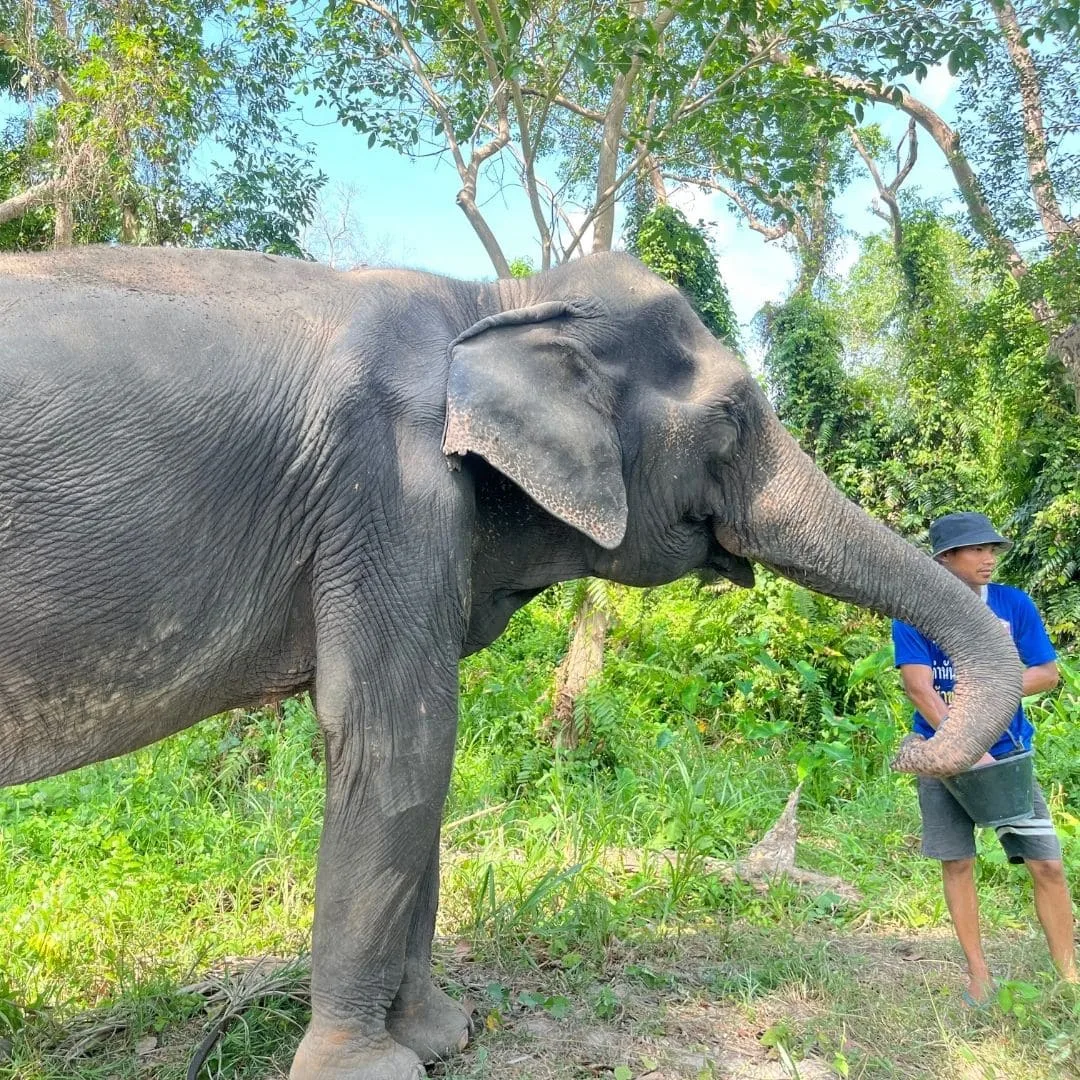
You will visit a sanctuary for elephants that have been rescued from poaching or deforestation. The local team provides care for the elephants, and you will assist them with their daily tasks.
Participants will mainly help to keep the elephants’ habitat clean and healthy and to prepare their food.
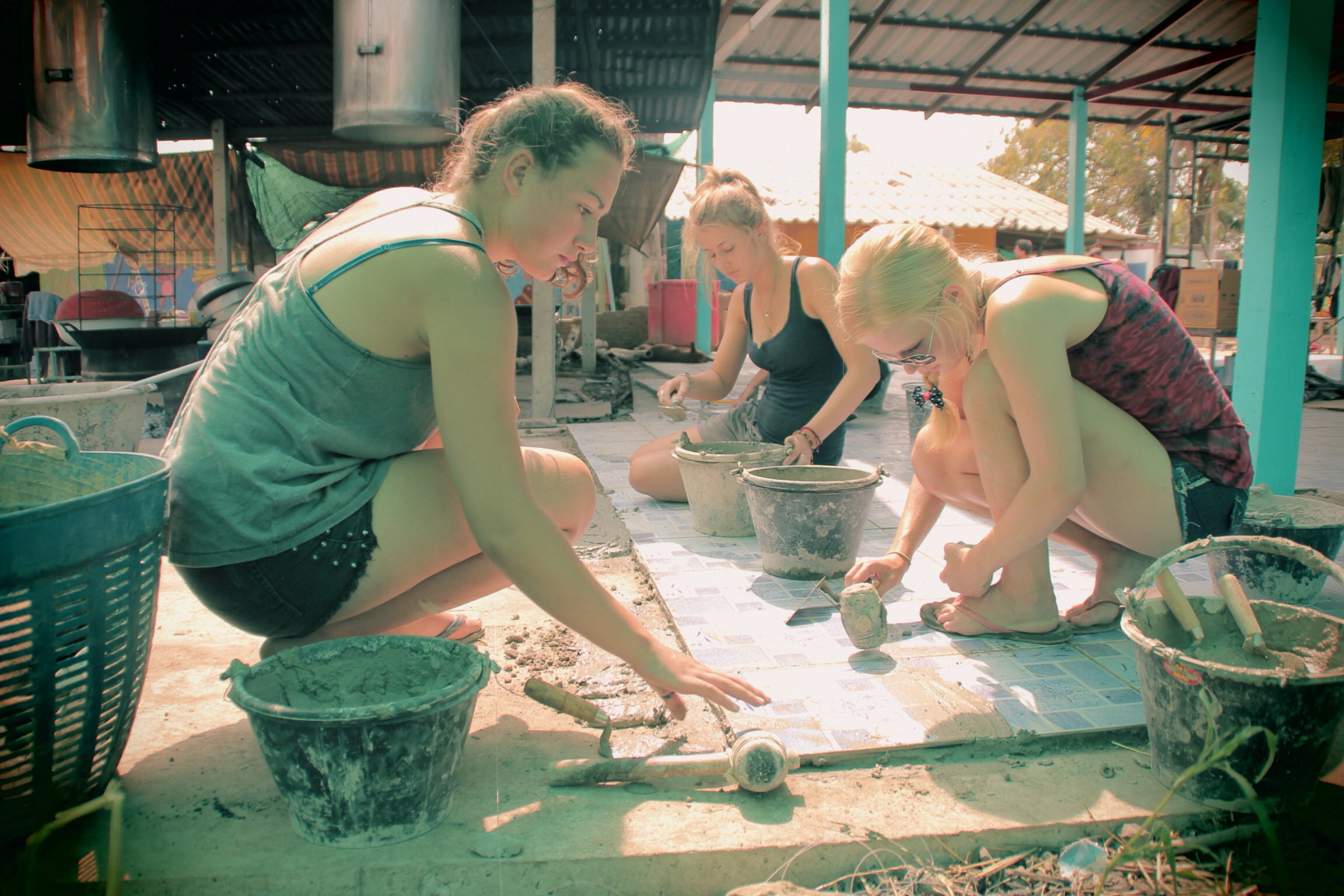
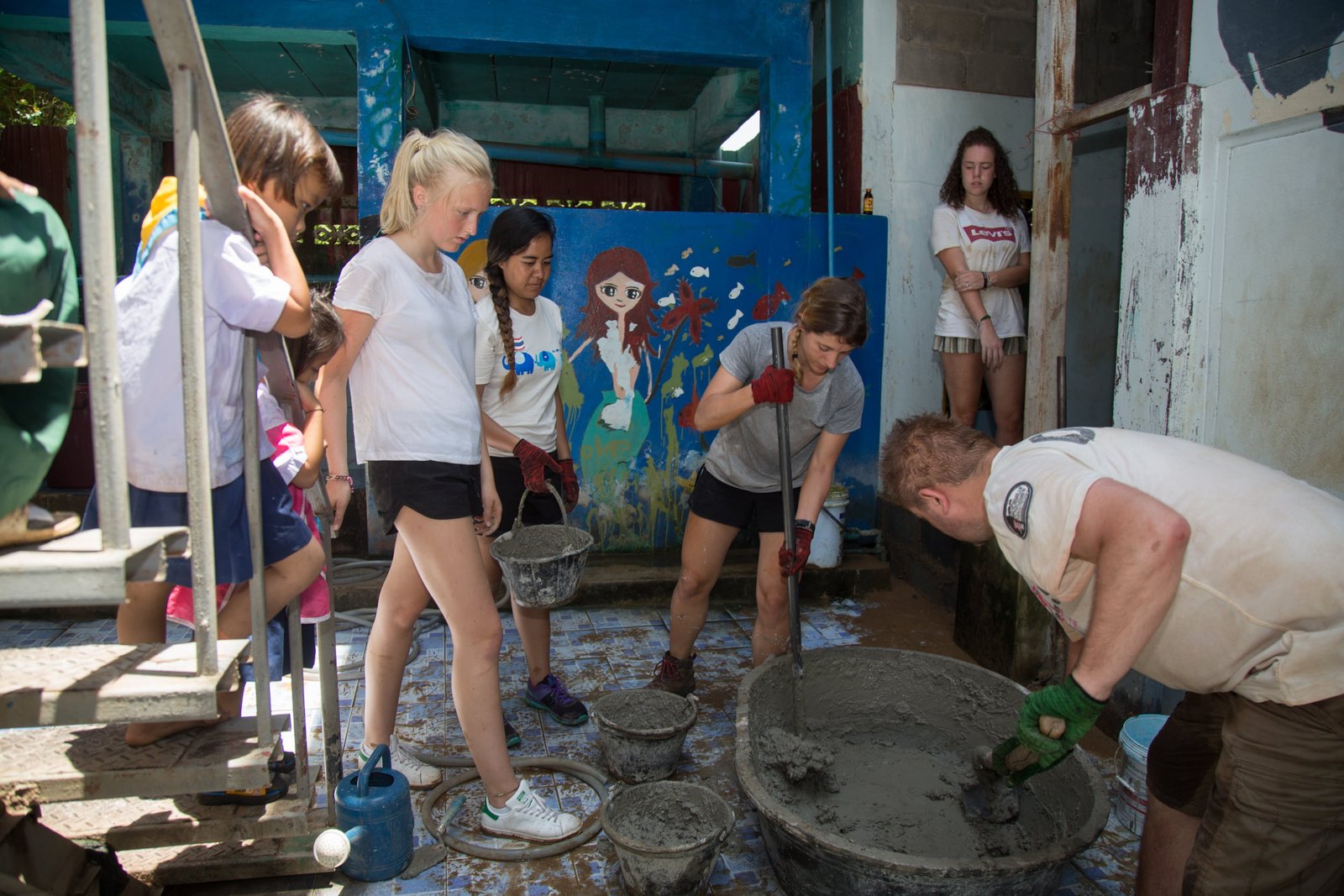
In addition to the elephant project, participants will contribute to community infrastructure projects, mainly in schools and cultural or educational centers. This is also a great opportunity to engage and exchange with the local community.
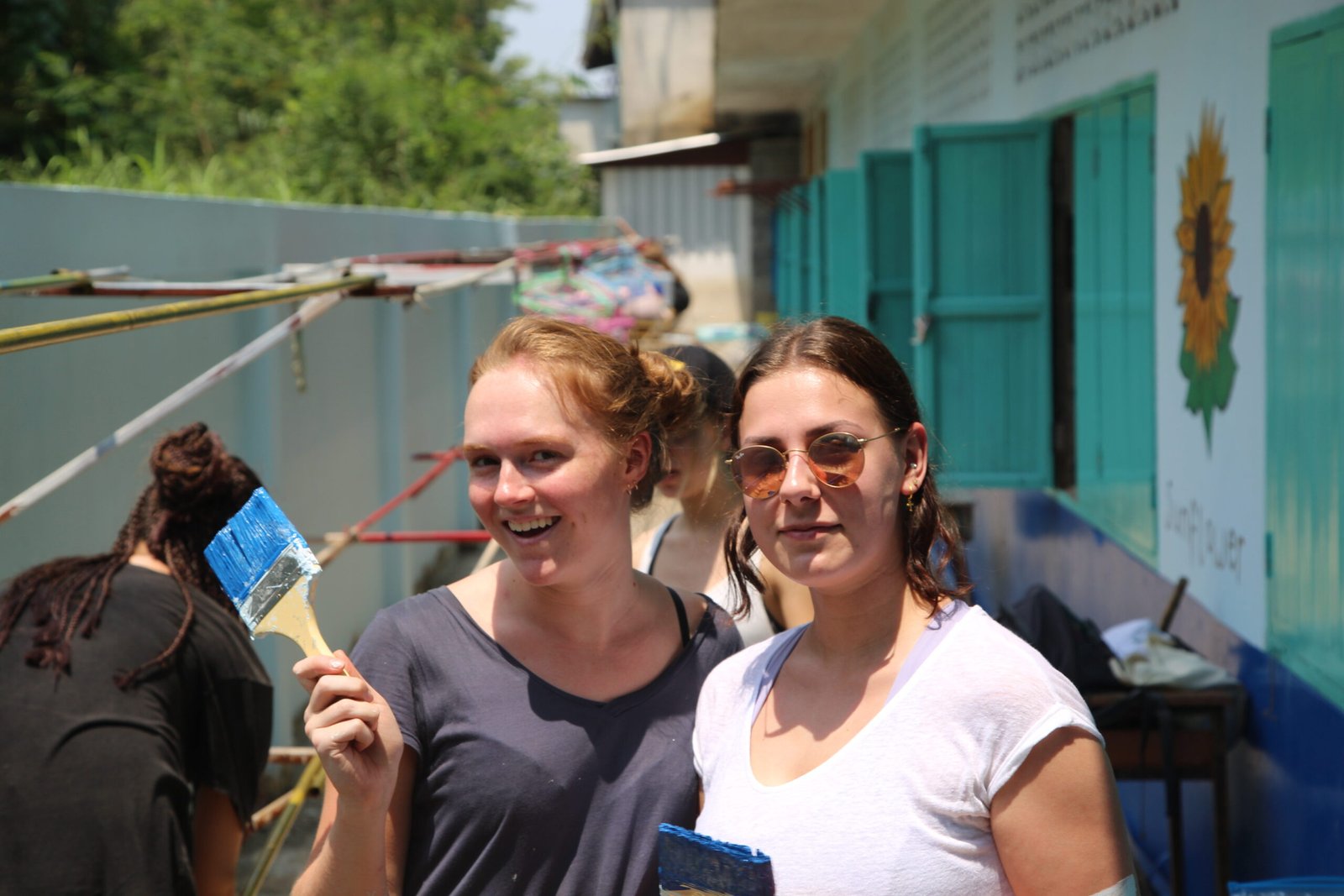
On site, you can help in various ways: painting, mixing cement, building walls, and other basic renovations.
A coordinator is always present on all projects to supervise, ensure safety, and meet the participants’ needs at any time.
Getting involved in this program helps young people develop many skills, become more independent, and also practice their English with locals and fellow participants from around the world.
During the trip, participants will be able to join activities with the rest of the group during their free time and in the evenings.
More details about the activities and schedule are available in the brochure.
Here are the typical activities offered:
This program is available on the following dates:
Duration during the week | Budget total mission |
|---|---|
2 weeks | 1600 € |
Upon your arrival, a project coordinator will be waiting for you with a sign bearing your name, and will accompany you to your accommodation where you will be welcomed by the rest of the team, followed by a welcome dinner in the evening.
On the second day, you will have an introduction to the different projects awaiting you, followed by a visit to the Hua Hin night market.
You will stay in shared rooms with the other minors participating in the program.
A coordinator dedicated to the group will be available on-site 24/7 for all projects.
All meals (breakfast, lunch, dinner) are provided.
For all international projects, Realstep requires participants to take out travel insurance covering accidents, illness, and repatriation, as well as civil liability for professional activities abroad.
For complete protection while studying or interning abroad, you can take out Cap Student insurance online by following this link Student insurance abroad | Chapka Assurances, which will give you a 5% discount.
If you take out another insurance policy, we will ask you to send us a copy of your certificate in English.
Achieve the language level required for your international project with tailored support. The Clic-campus method Free Packers X Clic Campus foreign language training courses combines videoconference lessons and an innovative e-learning platform, offering complete flexibility from the comfort of your own home.
A Packing List is usually provided before departure by the local organizations, with all the necessary and recommended items to pack depending on the destination and the project.
If you take prescription medication, bring enough for the entire length of your stay, as well as a basic first-aid kit (paracetamol, bandages, etc.).
You may also consider getting a local SIM card when you arrive in Thailand. Instructions will be provided when you register for the project.
All humanitarian projects in Thailand are available year-round. Needs are ongoing, and projects remain open regardless of weather conditions!
The only thing to keep in mind: school holidays. Teaching/education projects are closed during New Year’s week and during school holidays.
Our supervised volunteer summer camps are open to young people aged 14 to 18. These summer camps combine cultural and sports activities with community volunteering in the Hua Hin region.
From the age of 18, all humanitarian projects in Thailand—community and environmental—are available.
Of course! Whatever your academic track, you can take part.
Our 10th-grade internships abroad cover a wide range of areas that positively impact local communities. You can choose to take part in:
These programs offer many benefits:
Most youth camps follow a similar structure:
First day: upon arrival, teens are welcomed by the staff, introduced to the other participants, and given a tour of the facilities to help them feel comfortable.
Monday to Friday:
Weekend: excursions and visits to explore more of the country and practice the language in real-life situations.
Un summer camp, ou camp d’été, est une expérience immersive qui permet aux adolescents et aux jeunes adultes de participer à des activités éducatives, sportives et culturelles pendant les vacances estivales. Ces programmes offrent un cadre sécurisé pour découvrir de nouvelles cultures, activités, améliorer ses compétences linguistiques (anglais / espagnol) et rencontrer des personnes d’horizons variés. Ces programmes portent un aspect éducatif important : les ados vont pouvoir apprendre beaucoup sur la culture et la langue du pays visité.
Summer camps are open to all levels, from beginners to advanced learners. Teenagers are often placed into groups by level so they can benefit from instruction tailored to their skills and goals.
Registering for a summer camp abroad is generally done in several steps: