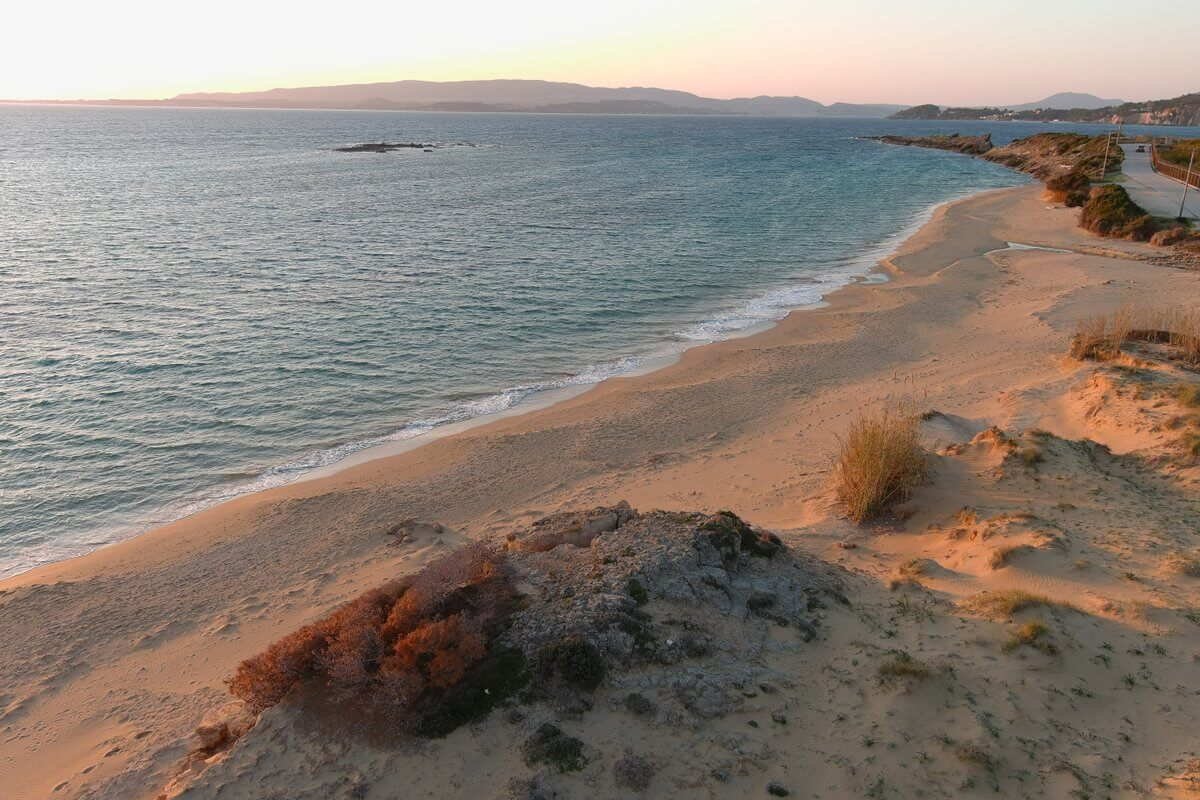
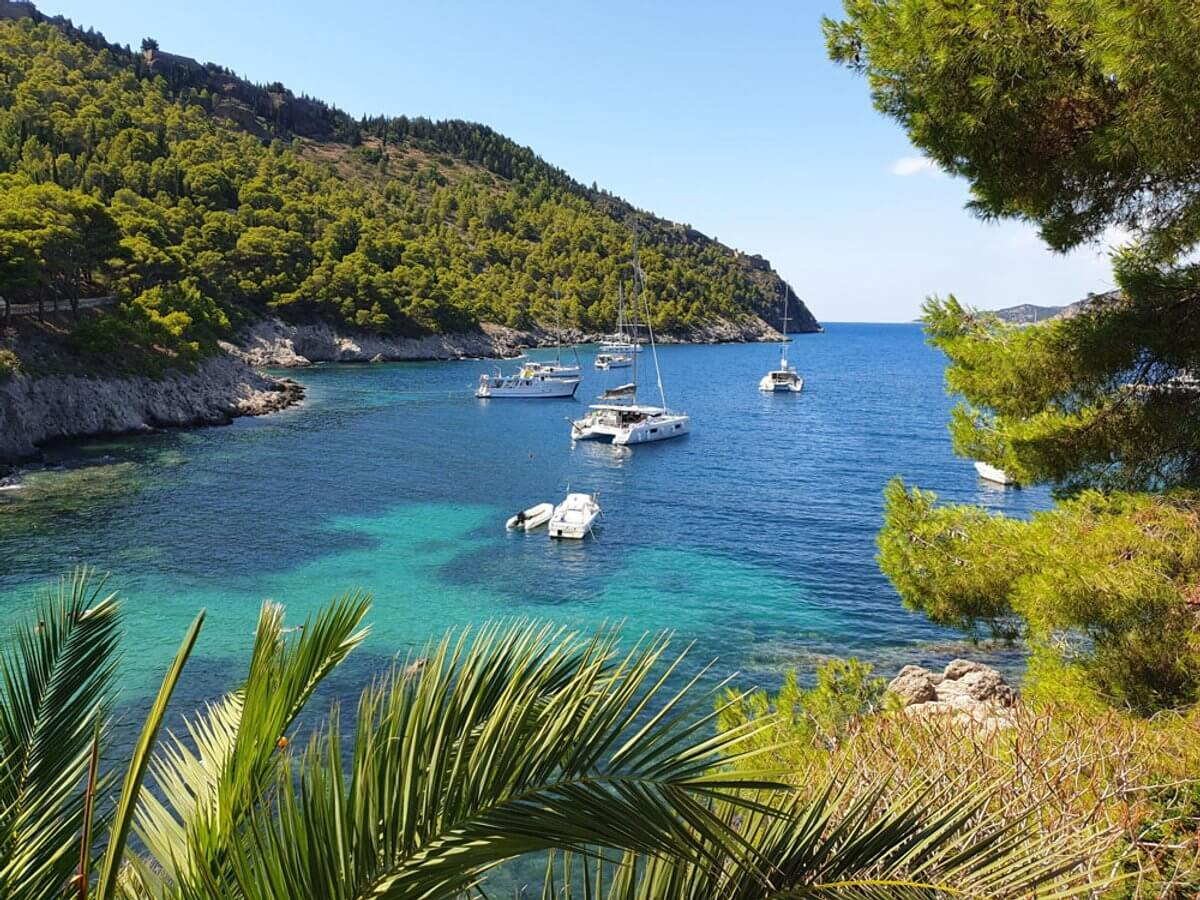
On this environmental protection mission as part of an ecotourism experience in Greece, we study underwater seagrass meadows and the sand dunes of southeastern Kefalonia. We focus on the coastal and nearshore marine area of the Mounda Peninsula.
Underwater seagrass meadows are an important carbon sink and play a key role in the fight against climate change. They form a vital ecosystem, providing habitats and breeding grounds for many marine animals and organisms. Sand dunes and their vegetation act as a dynamic barrier between sea and land and represent a specialized ecosystem that is affected by development and accelerated erosion.
The coastal and marine study areas are mapped at regular intervals using drones, allowing researchers to study the ecosystem and monitor changes over time. Volunteers taking part in ecotourism in Greece do not need prior drone skills, but they will have the opportunity to learn how drones are used in environmental science. Aerial surveys over the sea will help locate seagrass meadows and plan snorkeling expeditions.
Diving teams study the coastal area to collect geolocated photographs of seagrass meadows. These are then analyzed to identify species, seagrass types, their current condition, and how they change over time.
Some teams focus on the collection of waste for recycling or proper disposal.
Volunteers will contribute their time and skills to help collect vital data and support essential marine conservation work, while also gaining a better understanding of how marine ecosystems are affected by direct human activities and climate change. The data collected through this ecotourism project in Greece will help create one of the most detailed datasets on the region’s coastal and marine ecosystems.
In addition to our program in Kefalonia, we also offer a similar project in Svoronata, giving volunteers a rewarding experience in another part of the island.
The Svoronata field station stands out in several unique ways. Located closer to the capital, Argostoli, this station provides easier access to urban amenities while remaining just as close to beaches and local restaurants. Svoronata also differs in terms of transportation, as it does not offer bicycles like Skala, but it does provide opportunities to carry out coastal bird surveys, a unique activity at this station. In addition, the Svoronata station remains operational until October, offering a longer window to take part in this environmental conservation project.
Both stations therefore offer varied and complementary opportunities for ecotourists committed to protecting Greece’s marine and coastal ecosystems.
For more information, please contact us.
Duration in weeks | Total mission budget |
|---|---|
2 weeks | 1100 € |
4 weeks | 1900 € |
6 weeks | 2700 € |
8 weeks | 3600 € |
10 weeks | 4500 € |
12 weeks | 5300 € |
Volunteers will share an apartment in a large villa. It is located on a plot of land with fruit trees and olive trees, providing plenty of shade and a pleasant outdoor barbecue area. Each room can accommodate up to 4 people (mixed gender) and has a shared bathroom, a kitchenette, and a small living room. The accommodation is perfectly situated between the two main monitored areas. The lively town beach of Skala is a 2.3 km walk away, and the tranquility of Mounda Beach is a 1.5 km walk away.
Skala is known for its numerous bakeries, taverns, and restaurants. It has a long and beautiful beach with water sports facilities, beach volleyball, and is lined with restaurants and beach bars. There are also several grocery stores, ATMs, pharmacies, and fresh fruit markets.
A perfect place for shopping and leisure activities. Mounda is known for its tranquility and natural setting, offering excellent snorkeling opportunities and pristine waters. An ideal place to relax and bask in the Mediterranean sun.
All volunteers are trained in protocols and techniques to ensure the quality of data collection.
Volunteers should be able to ride bicycles to different locations with their team and walk along the beach for field surveys.
Volunteers should be comfortable in a community living environment with shared responsibilities.
Volunteers must be strong swimmers and have previous snorkeling experience at depths of up to 8 meters. Volunteers must be 18 years or older, comfortable cycling on hilly terrain, and able to walk or cycle during a hot day. All volunteers must have travel/medical insurance. We strongly encourage volunteers to bring their own properly fitted snorkel masks.
For any international project, Freepackers requires travel insurance covering accidents, illness and repatriation, including civil liability for professional activities abroad.
For full protection while studying or interning abroad, you can take out Cap Student insurance online via this link Student insurance abroad | Chapka Assurances, which gives you a 5% discount.
If you choose another insurance provider, we will ask you to send us a copy of your insurance certificate in English.
Reach the language level your international project requires with tailored support. The Clic-campus method Free Packers X Clic Campus foreign language courses combines live video lessons with an innovative e-learning platform, fully flexible from home.