Immersive travel: beyond sightseeing
Immersive travel is a style of travel that focuses on immersive experiences, immersion: being involved, absorbed, or engaged in an activity or new environment. Immersion can happen through learning local language, crafts, or generally, participation, and contact with local people.
It is often explained in opposition to “check off the list” type of travelling, where you check off standard tourist checklists, even check off a whole country. It is in opposition to sightseeing through a tourist bus, staying in big international hotel chains, or eating in international food chains.
Immersive travel is associated with learning experiences, active vacation, participatory forms of exploration. Travelers are learning about the local culture and its people while experiencing life in a new place with locals.
It is also associated with a slower pace of travel, which usually means less stress and staying longer in fewer places.
Why active travel?
This type of travel is active travel. Active travel is motivated by sustainability concerns, avoiding overcrowded tourism hotspots, and a desire to seek more meaningful and authentic travel experiences that align with travellers’ values and interests.
Immersive travel vs traditional sightseeing
Immersive travel Traditional sightseeing
Cultural immersion and engagement Small group or private journeys Authentic connections with local communities Local cooks and restaurants
Touring European cities in ten days Following rigid, coach-tour schedules Visiting attractions only Bringing your own cook, eating in international food chains
What are the benefits of immersive travel?
Cultural competencies
When you live close to local life instead of observing from afar, you gain insight into perspectives, everyday life, relationship with nature, local flora and fauna, food and drinks. Another benefit is being aware of local culture and learning to navigate cultural differences with respect.
Connections with people
Immersive experiences create human connections that cross borders and cultures. It can be a conversation with a host family or a discussion with a local artisan, these interactions make your trips more personal, meaningful, memorable.
What is slow tourism?
Slow tourism, or slow travel, is an approach to travel characterised by reducing mobility and by taking time to explore local history and culture, while supporting the environment. Usually, tourists explore fewer places and stay longer in each one.
What is soft mobility?
Soft mobility is a form of transport that relies on human muscle power or clean, low-impact electric energy rather than a fossil-fuel engine.
These low-impact, eco-friendly forms of transport are:
- Walking tours
- Hiking tours
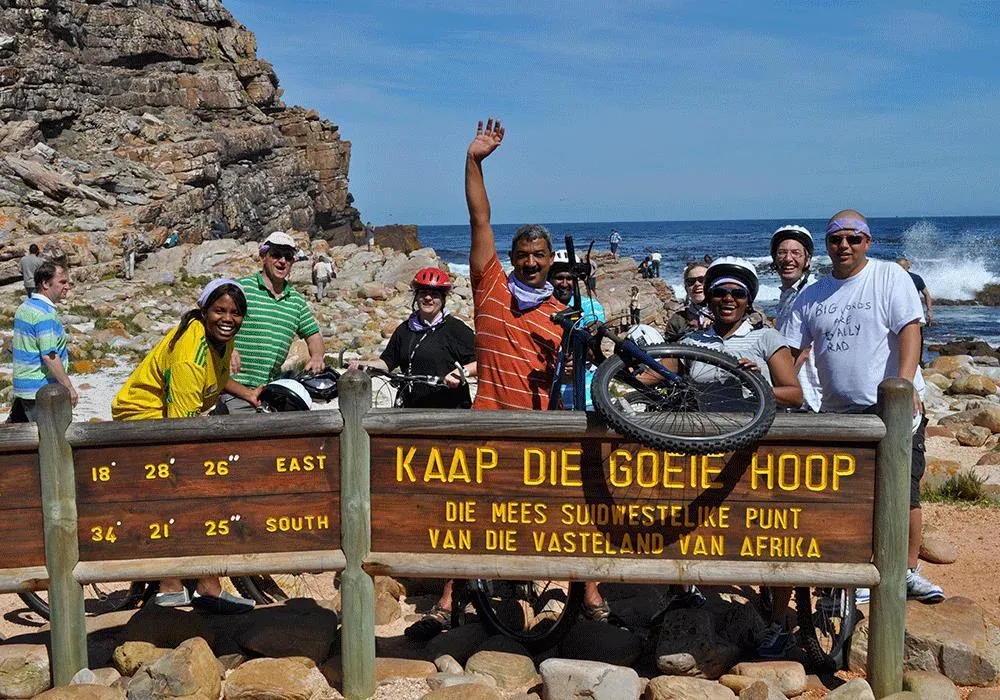
- Cycling tours
- Kayaking tours. As well as light electric transport:
- E-bikes
- E-scooters
Shared electric vehicles, public transport.
Types of immersive travel experiences
Adventure Travel
Adventure tourism is an immersive travel experience. Adventure travel immerses you in the natural environment of your destination, whether it’s through hiking, kayaking, or other outdoor activities.
Cultural Immersion Travel
Cultural travel is a type of travel where the goal is immersing yourself in the local culture of your destination, from language to customs to food.
Culinary Travel
This type of immersive experience is focused on food and drink, allowing you to explore the local cuisine, culinary traditions, and foodways. It can involve cooking classes, food tours, or visits to local markets and restaurants.
Educational Travel
Edutravel combines structured academic learning or skills training with real-world exploration and cultural immersion.
Educational travel provides opportunities to learn about a destination’s history, art, and culture in a structured and immersive way.
This can include language immersion programmes, historical tours, or hands-on workshops.
How to do it?
Create an itinerary based on what interests you most about the chosen destination.
Make sure to include plenty of time for exploration and relaxation, after all, part of ‘immersive’ travel is allowing yourself the opportunity to slow down and appreciate the life around you!
Join immersive travel programmes!
Immersive travel examples: Planeta First Programmes
- Cultural tour in the Philippines
- Kenya road trip tour
Adventure tour in Bali
Planeta First has a clear goal: to redefine the way we travel and discover the world. Designed as an alternative to mainstream tourism, our itineraries are for those who want to explore a country consciously: with meaning, human connection, and a positive impact.
Frequently asked questions
What is responsible tourism?
Responsible tourism is about making travel better for everyone involved. That includes local communities, the environment, and travelers themselves. It’s not just about where you go and the next photo-op. It’s about minimizing negative impacts, maximizing positive contributions to local communities, respecting local cultures and ecosystems, and supporting sustainable, locally led initiatives that continue even after you leave.
What is impactful travel?
Impactful travel is travel that considers the impact of travel consciously. This type of travel aims to create a positive effect on the places and people visited. The idea is to leave a destination better than prior to the visit. This type of travel is eco-conscious (responsible travel, being mindful about the environment) and includes activities that support local people directly (engaging with locally owned businesses).
Learn more about impactful travel here.
What is experiential travel?
Experiential travel is a type of travel focused on immersive activities in a destination, in comparison to sightseeing, crossing landmarks or countries off a list. The goal is to connect with local communities, culture, food, traditions, nature, or daily life. Almost as if a small travel group is taking the role of anthropologists! The goal is travel that gives more meaning, experience, and connection.
Experiential travel is characterized by:
- Sustainable and community driven trips
- Small travel groups
- Active adventure
- Activities such as: tea ceremonies, safari tours, food making, language learning
- Responsible tourism
- The journey rather than the destination
Did you like this article ?
Share it on social media