
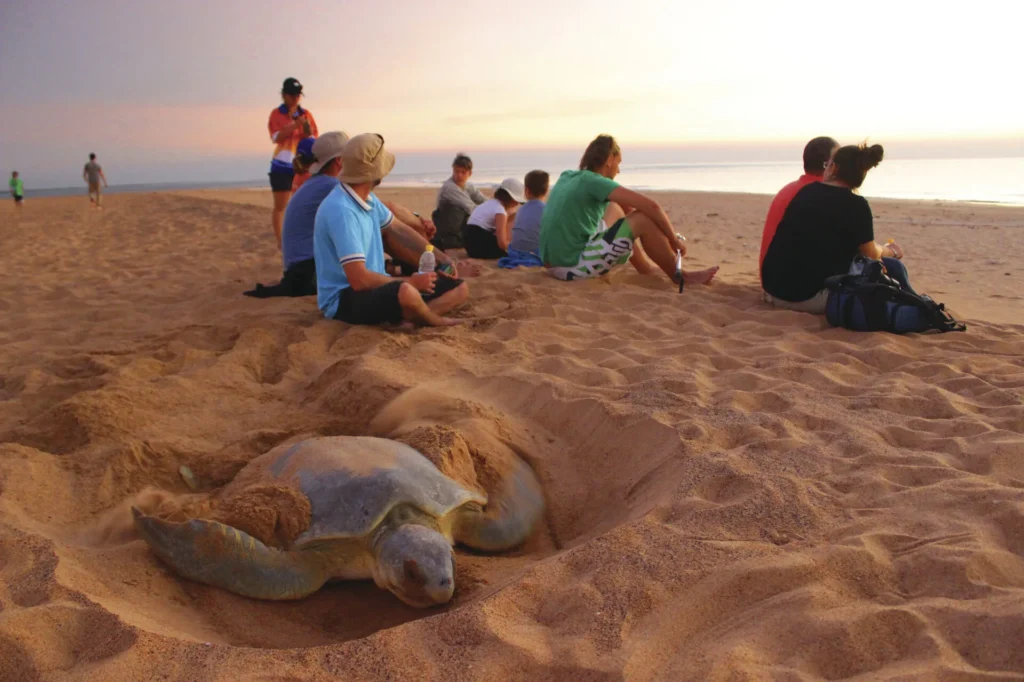
Responsible tourism is about making travel better for everyone involved. That includes local communities, the environment, and travelers themselves. It’s not just about where you go and the next photo-op. It’s about minimizing negative impacts, maximizing positive contributions to local communities, respecting local cultures and ecosystems, and supporting sustainable, locally led initiatives that continue even after you leave.
Cape Town Declaration Definition
The Cape Town Declaration 2002 is a widely recognized definition of responsible tourism. It defines tourism that maximizes economic, social, and environmental benefits while minimizing negative impacts. It commits to creating better places for people to live, promoting sustainable and inclusive growth. (Responsible Tourism Partnership)
Guiding principles are: economic responsibility, social responsibility and environmental responsibility.
Why Responsible Tourism?
Non-responsible tourism can cause real harm. It can lead to:
- Environmental damage – Pollution and wildlife disruption
- Exploitation of local communities
- Cultural disrespect
- “Volutoursim” with little real impact
For more information on Voluntourism, visit our posts here
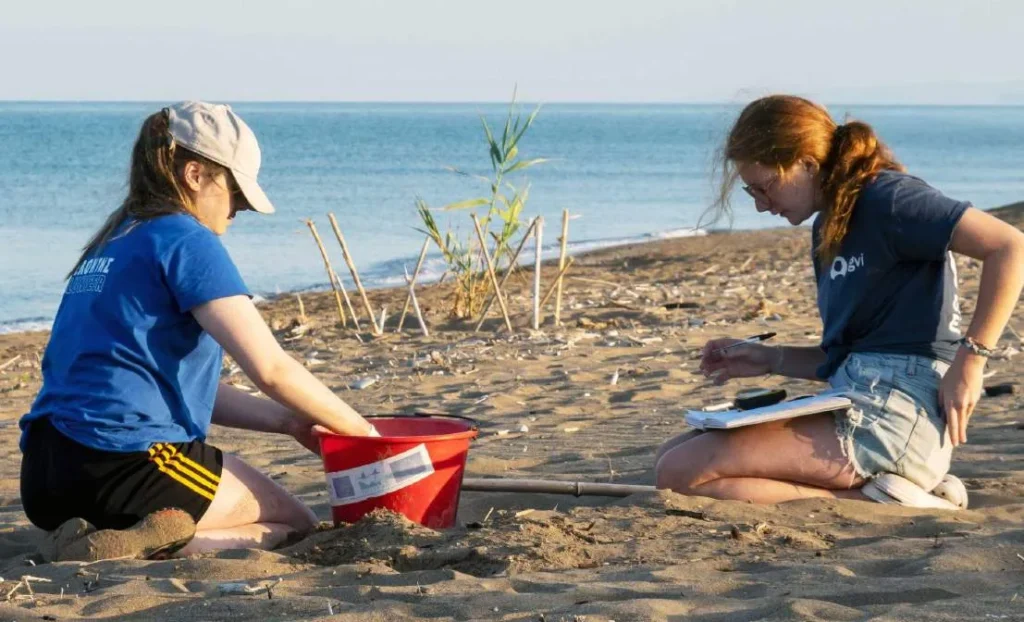
Responsible Tourism Benefits
- Generate greater economic benefits for local people and enhance the well-being of host communities
- Involve local people in decisions that affect their daily lives
- Makes positive contributions to the conservation of natural and cultural heritage, which helps maintain the world’s diversity
- Provides more enjoyable experiences for tourists through meaningful connections with local people, through a better understanding of local cultural, social, and environmental issues
- Builds respect and a better relationship between tourists and hosts, enhancing local pride and confidence.
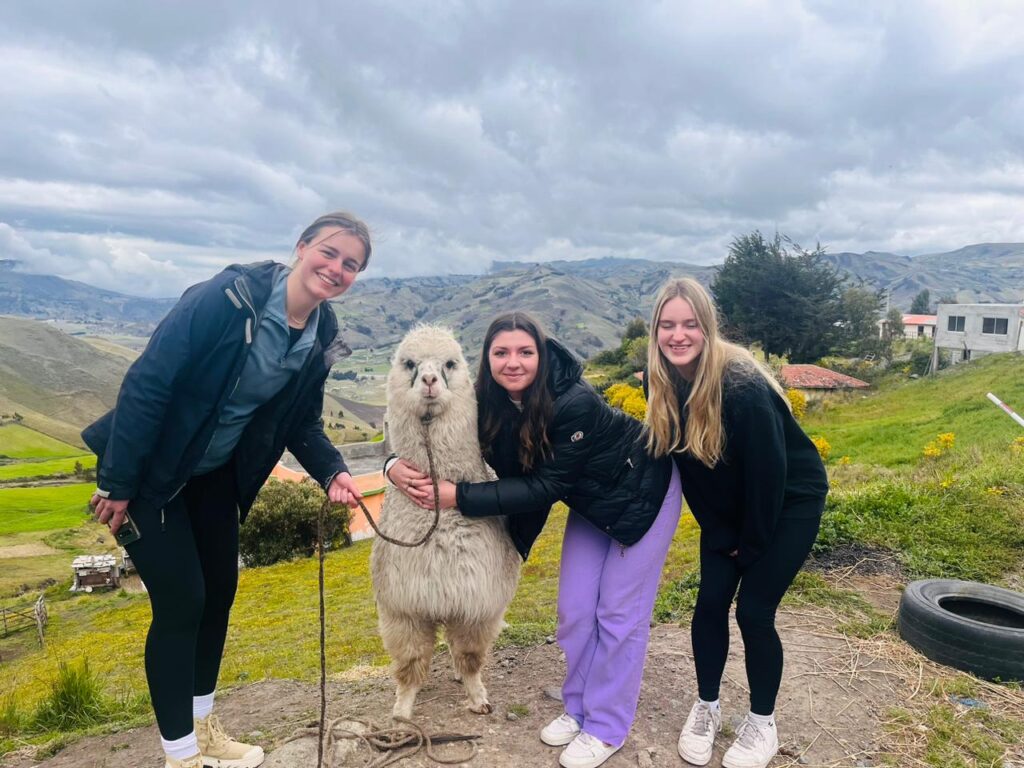
What is Responsible Travel?
Responsible travel means making choices that create positive impacts for both the communities you visit and the environments you explore. Common examples include following the “Leave No Trace” principles to protect ecosystems and prioritizing local businesses and services to support the people who live there. Learn more about sustainable travel.
Leave no trace principle is a set of ethics that encourages travelers to minimize their environmental impact by respecting nature, reducing waste, and leaving destinations as they found them for future generations.
How to be a Responsible Traveler?
Be a guest, not just a visitor:
| Before you go: | During your trip: | After your trip: |
| Research ethical programs and companies | Support local businesses, not just big chains | Share experiences responsibly |
| Learn basic local customs and cultural norms | Respect local traditions and communities | Stay engaged with the causes you supported |
| Choose eco-conscious accommodations, such as locally owned guesthouses or homestays | Reduce waste (reusable water bottles, bags, etc.) | Utilize the practices you learned back at home |
Responsible Travel Programs
When looking for organizations or ethical travel programs, look for programs that provide long-term impact, offer transparency about where money goes, and focus on education and ethical practices.
Examples of responsible travel programs:
- Environmental conservation projects
- Community development initiatives
- Cultural exchange experiences
What is Planeta First?
Planeta First refers to ecotourism and responsible travel initiatives designed to prioritize sustainable impact, ethical engagement, and community support in every project. With Planeta First, your travels aren’t just about seeing the world; it’s about actively helping, protecting, and empowering local communities and natural habitats.
Planeta First offers four main itinerary families:
- Cultural: discover traditions and the country’s history, with immersion and exchanges with locals.
- Spiritual: enjoy moments of relaxation (yoga, meditation) for a full reconnection and a calmer trip that’s just as rich in discoveries.
- Adventure: explore the country and its landscapes on treks, and take part in sports activities to enjoy nature and wildlife.
- Road trip: travel across a country to understand its full richness through itineraries designed to reveal its depth and diversity.
At Freepackers, we prioritize sustainable impact and ethical engagements in every project. As a part of a B Corp-certified organization, Freepackers uses Planeta First to highlight experiences that go beyond traditional travel. Our programs are aligned with the United Nations 2030 Sustainable Development Goals. Participants contribute to real, impactful projects all verified for their ethical and long term benefits.