Small group travel guide
Guided travel for a small group of people. Groups are categorised as smaller when they generally have between 6 and 16 travellers, which allows for more adventure tours, cultural immersion tours, road trips, and responsible travel.
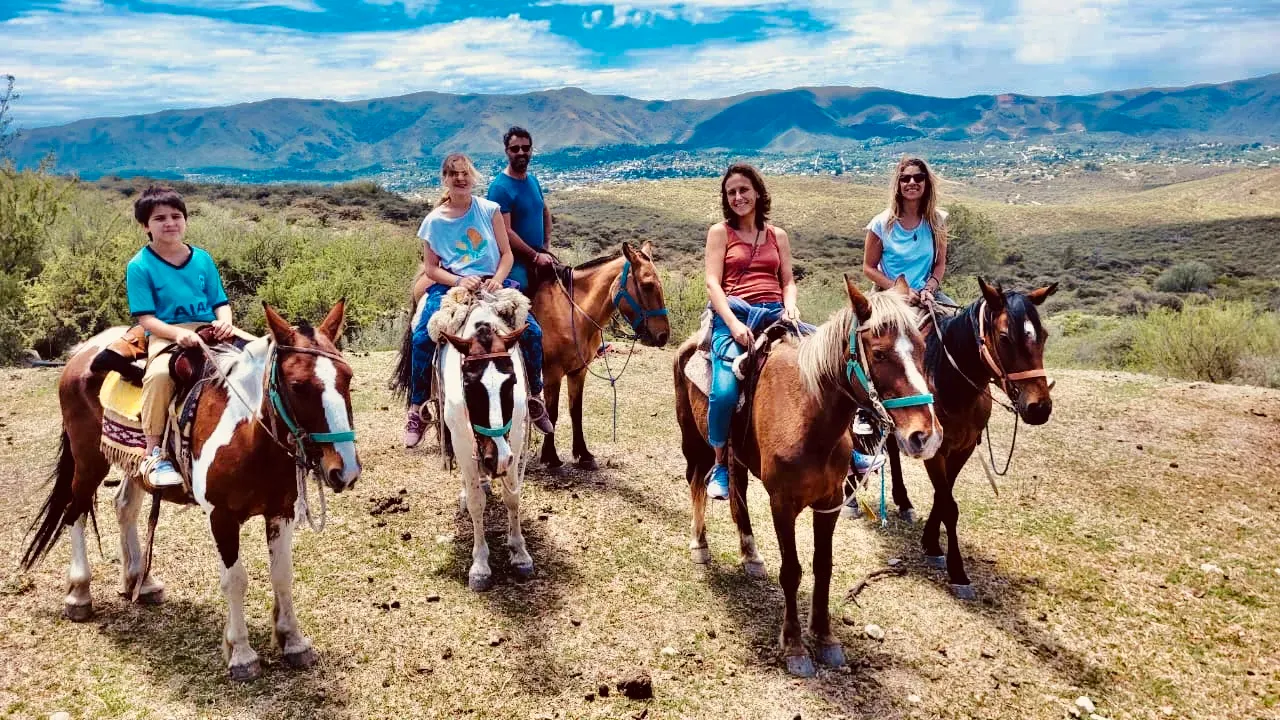
Smaller groups usually allow access to activities that bigger groups can’t have access to, such as workshops, rides, dining at a local restaurant, visiting local markets, and family-owned shops. Small group travel allows for more flexibility in schedule since smaller groups can more easily agree on itinerary changes.
Who is small group travel for?
Small group travel is great for solo travelers who don’t want to deal with all the logistics; it is also popular among friends and couples, those interested in specific activities, and those who visit a country for the first time.
PlanetaFirst is an example of an organisation focusing on small group travel, with tours such as adventure tours or cultural immersion.
On the agenda: nature adventures, sports getaways, surf trips, responsible road trips that include volunteering, as well as cultural experiences and spiritual retreats.
Travel duration: usually between 1-3 weeks.
What is adventure small group travel?
Active, guided adventure activities shared with a small group of travellers. On tours, small groups explore the country and its landscapes actively, and take part in sports activities to enjoy nature and wildlife.
Adventure-focused activities are often: hiking, cycling, kayaking, wildlife safaris, snorkeling, rafting, or trekking.
For example, see an adventure tour in Thailand or in South Africa.
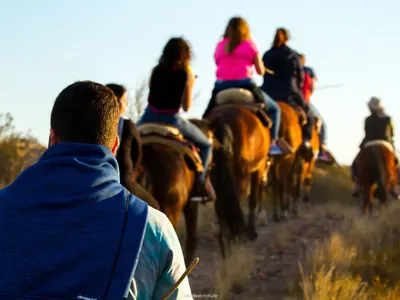
Itineraries can cover: excursions, surfing sessions on the waves, sandboarding on the dunes.
Why is small group travel perfect for solo travellers?
Small group travel is often an excellent choice for solo travellers because it combines the independence of travelling alone with the support of a group.
Support: especially in unfamiliar destinations or remote areas.
Planning: Transportation, accommodations, activities, and much of the logistics are arranged, allowing you to focus on the experience.
Shared expenses: on transport, food.
What are the pros and cons of small group travel?
Pros
Cons
Support system, help is here if needed Higher cost than travelling in a large group
Easier communication with the guide Less privacy than as a solo traveler
Better chance to get to know everyone on the tour
Flexibility with itinerary if the group agrees
Giving back to the community, responsible travel
What is the difference between solo travel and small group travel?
Solo Travel
Small group travel
Full control over your itinerary Mostly curated itinerary
Travelling at your own pace Group schedule with free time
Full independence in decision-making Guidance from a local tour leader
Logistics are your job Most logistics are arranged for you
Can be more expensive due to individual bookings Group rates can make travel more cost-effective
Meeting people at your own pace Getting to know fellow travelers
What is experiential travel?
Experiential travel is a type of travel focused on immersive activities in a destination, in comparison to sightseeing, crossing landmarks or countries off a list. The goal is to connect with local communities, culture, food, traditions, nature, or daily life. Almost as if a small travel group is taking the role of anthropologists! The goal is travel that gives more meaning, experience, and connection.
What is Planeta First?
Planeta First has a clear goal: to redefine the way we travel and discover the world. Designed as an alternative to mainstream tourism, our itineraries are for those who want to explore a country consciously: with meaning, human connection, and a positive impact.
Each itinerary is organised and supervised by a local NGO, run by people from the country who understand local realities and work alongside communities.
Planeta First offers four main itinerary families:
- Cultural: discover traditions and the country’s history, with immersion and exchanges with locals.
- Spiritual: enjoy moments of relaxation (yoga, meditation) for a full reconnection and a calmer trip that’s just as rich in discoveries.
- Adventure: explore the country and its landscapes on treks, and take part in sports activities to enjoy nature and wildlife.
- Road trip: travel across a country to understand its full richness through itineraries designed to reveal its depth and diversity.
Do you have any questions?
Frequently asked questions
What is family volunteering?
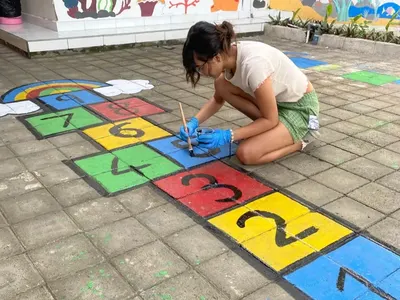
Family volunteering is a meaningful travel experience where parents, children, and relatives volunteer together while exploring a new destination. These programmes allow families to give back, learn about different cultures, and create lasting memories together. Programmes are usually designed to be safe and suitable for different ages, making them a great way for families to combine travel, education, and positive impact.
What is responsible tourism?
Responsible tourism is about making travel better for everyone involved. That includes local communities, the environment, and travelers themselves. It’s not just about where you go and the next photo-op. It’s about minimizing negative impacts, maximizing positive contributions to local communities, respecting local cultures and ecosystems, and supporting sustainable, locally led initiatives that continue even after you leave.
Did you like this article ?
Share it on social media