What is impactful travel?
Local community: engaging with local community through accommodation, restaurants, regional food, activities, way of life.
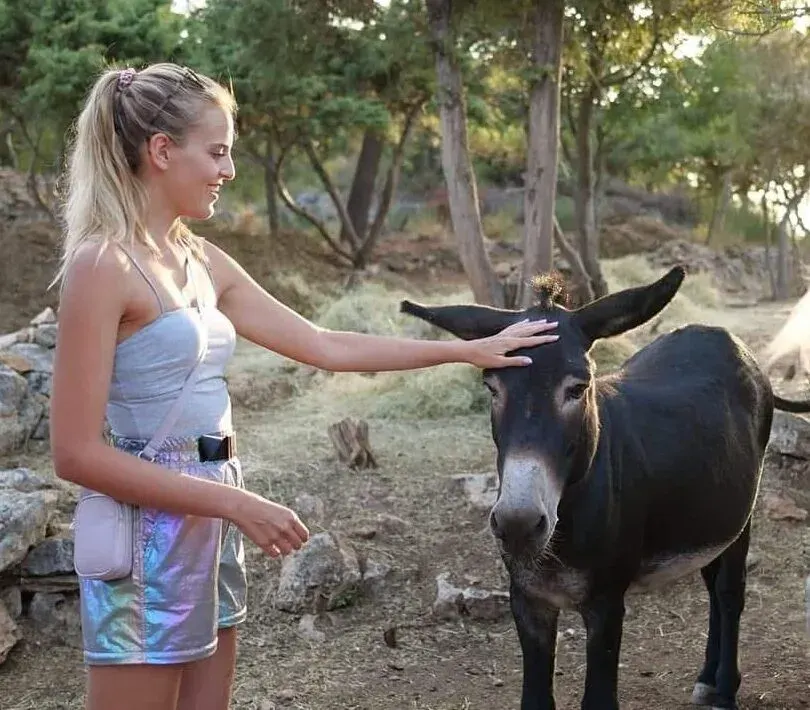
- Local community: engaging with local community through accommodation, restaurants, regional food, activities, way of life.
- Eco travel: focused on lowering carbon footprint, prioritising public transport, cycling, finding eco accommodation
- Slow travel: moving less, visiting fewer locations or tourist sites and taking time in one location rather than moving fast from one spot to another. For example, staying in one location and exploring on foot, or taking a bike tour.
- Immersive travel: joining activities where you learn from local people, learning the local language, taking local craft workshops.
What is positive impact travel/tourism?
Positive impact travel is a way of travelling that aims to leave a destination better than you found it, rather than simply minimizing harm.
The idea is to create lasting benefits for the destination, communities, and environments, natural resources, and cultural heritage.
For example, instead of visiting a destination, and spending most of your money within a resort, positive-impact tourism focuses on supporting locally owned accommodation, small businesses, community-run projects.
- For example, visitors help take care of natural environments: a ticket to enter a natural reserve goes to preservation and taking care of the reserve
- Tourism money directly goes to the people who live t here.

Portugal, Lisbon
Family volunteering in Europe
- Duration
- 2 to 12 weeks
- Age
- From 8 years old
from €1,395 for 2 weeks
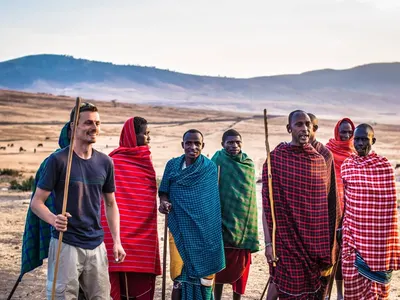
Tanzania, Monduli5(2)
Maasai tribal immersion in Tanzania
- Duration
- 2 to 12 weeks
- Age
- From 18 years old
from €1,240 for 2 weeks
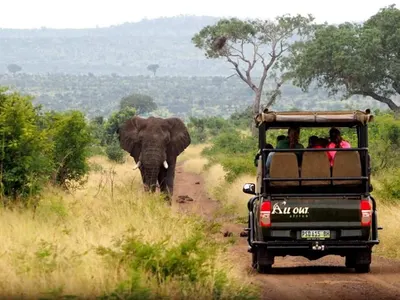
South Africa, Johannesburg5(3)
Ecovolunteering in 3 African countries
- Duration
- 4 to 12 weeks
- Age
- From 18 years old
from €2,927 for 4 weeks

Kenya, Nakuru5(2)
Ecovolunteering in Kenya
- Duration
- 2 to 4 weeks
- Age
- From 18 years old
from €1,290 for 2 weeks
What is low-impact travel?
Low-impact travel tends to minimise its environmental impact. It means exploring the world while keeping your carbon footprint small, reducing waste. It can be traveling to a destination closer to home (shorter distances, destinations accessible by soft mobility), it can be using local transport, trains, boats or zero-emission modes of transportation, like bikes, kayaks, to move around once you reach a destination. It can also be traveling off-season.
What is responsible travel?
Responsible travel means travelling with a sense of responsibility for how we travel and awareness of our impact.
The idea is to minimise negative impacts, maximise positive contributions to local communities, respect local cultures and ecosystems, and support sustainable, locally led initiatives that continue even after you leave.
Ways to do it:
- taking fewer and longer trips,
- choosing less popular destinations,
- choosing companies that have climate targets
- booking wildlife experiences that contribute to biodiversity conservation More examples here.
What is ethical volunteering abroad?
Ethical Volunteering is a way of volunteering that puts the needs of the community first, instead of the volunteer’s personal experience (voluntourism).
Ethical volunteering programmes abroad:
a) are led by local organisations,
b) provide long-term impact,
c) promote responsible leadership,
d) maintain clear safety measures, policies, and pre-departure training and orientations.
Why Freepackers?
Freepackers provides educational travel, teen summer camps, and international volunteering across 37 global destinations. Programmes combine language immersion, humanitarian work, and eco-conservation with local NGOs, supported by their non-profit initiative focused on accessible, sustainable mobility.
Do you have any questions?
What is Planeta First?
Planeta First has a clear goal: to redefine the way we travel and discover the world. Designed as an alternative to mainstream tourism, our itineraries are for those who want to explore a country consciously: with meaning, human connection, and a positive impact.
Each itinerary is organised and supervised by a local NGO, run by people from the country who understand local realities and work alongside communities.
Planeta First offers four main itinerary families:
- Cultural: discover traditions and the country’s history, with immersion and exchanges with locals.
- Spiritual: enjoy moments of relaxation (yoga, meditation) for a full reconnection and a calmer trip that’s just as rich in discoveries.
- Adventure: explore the country and its landscapes on treks, and take part in sports activities to enjoy nature and wildlife.
- Road trip: travel across a country to understand its full richness through itineraries designed to reveal its depth and diversity.
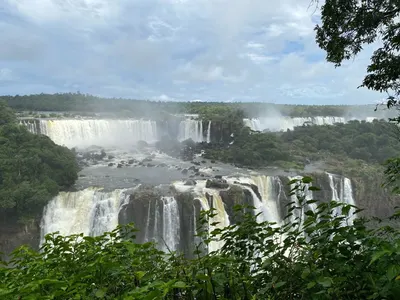 Short tour
Argentina
Adventure tour to Iguazú Falls in Argentina
4 daysfrom €750
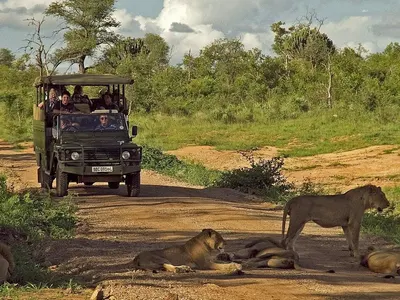 Short tour
South Africa
Big Five expedition in Kruger Park
3 daysfrom €850
Adventure tour in Thailand
Did you like this article ?
Share it on social media