Volunteer summer camps: 8 learning camps abroad for 15 to 17 year olds
8 destinations from age 15, 24/7 supervision, meals and accommodation included. Freepackers is B Corp certified.
A Freepackers volunteer summer camp means 10 days to 2 weeks in the field protecting endangered species, living in an international community and coming home with something concrete to talk about: to friends, in personal statements and on Parcoursup (the French university admissions platform).
The 8 volunteer summer camps for 2027
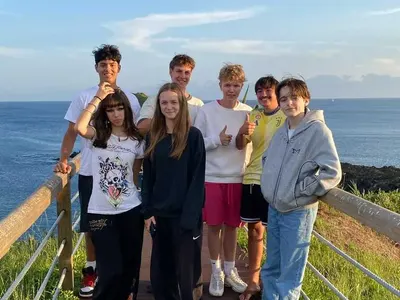
Portugal, Ponta Delgada
Summer camp in the Azores
- Duration
- 2 weeks
- Age
- From 15 years old
from €2,000 for 2 weeks
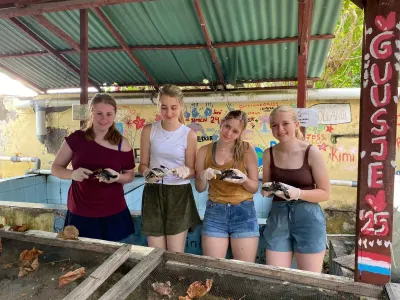
Indonesia4.8(3)
Summer camp: sea turtle conservation in Bali
- Duration
- 2 weeks
- Age
- From 15 years old
from €1,300 for 2 weeks
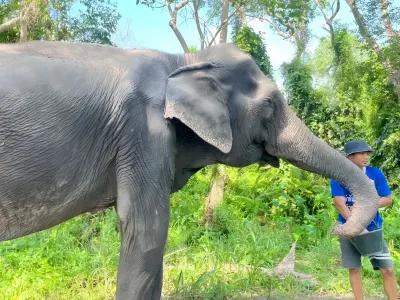
Thailand, Hua Hin
Summer camp: elephant conservation in Thailand
- Duration
- 2 weeks
- Age
- From 15 years old
from €1,600 for 2 weeks
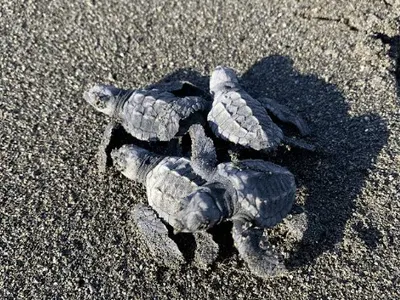
Costa Rica
Sea turtle conservation in Costa Rica summer camp
- Duration
- 2 weeks
- Age
- From 15 years old
from €2,210 for 2 weeks
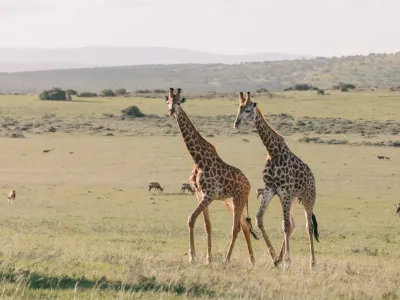
Kenya, Nakuru
Summer camp: educational project and giraffe conservation in Kenya
- Duration
- 2 weeks
- Age
- From 15 years old
from €1,400 for 2 weeks
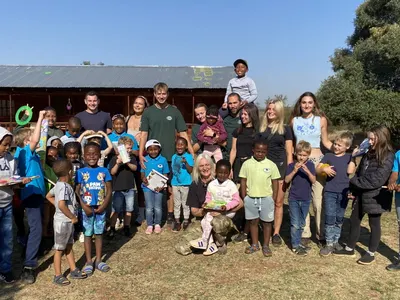
South Africa, Cape Town
South Africa volunteering summer camp for ages 15+
- Duration
- 2 weeks
- Age
- From 15 years old
from €2,490 for 2 weeks
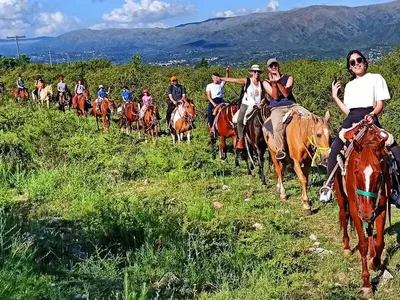
Argentina, Cordoba
Teen volunteer programme in Argentina
- Duration
- 2 weeks
- Age
- From 15 years old
from €1,990 for 2 weeks
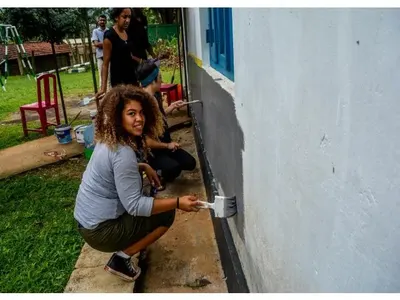
Sri Lanka
Volunteer summer camp in Sri Lanka for 15 to 17-year-olds
- Duration
- 2 weeks
- Age
- From 15 years old
from €1,690 for 2 weeks
What is a volunteer summer camp?
A learning camp abroad is different from a traditional holiday camp and different from voluntourism. It is a short, supervised programme with a real project on the ground: sea turtle conservation, caring for rescued elephants, wildlife conservation.
Your days follow a clear schedule: project work in the morning, cultural activities and exploring the country in the afternoon. All with a group of young people of the same age: no adults in the group, only 15 to 17 year olds.
This isn’t a volunteer placement to ease your conscience. It is a programme built with local partners to meet a real need, checked on site by the Freepackers team. We don’t send you to “help” a community. We bring you into a project that existed before you arrived and will carry on after you leave.
Our volunteer summer camps abroad
Marine conservation in Bali
Where? Bali, Indonesia. When? 13 to 26 June, 12 to 25 July and 23 July to 5 August 2027. Duration: 2 weeks (optional extra week of touring). Ages: 15 to 17. From: €1,300
Bali is home to one of the richest and most threatened marine ecosystems in South-East Asia. On this programme, you work alongside local partners to protect sea turtles and raise awareness of marine conservation among coastal communities.
The programme includes night patrols on nesting beaches, nest monitoring, awareness sessions in villages and clean-up dives. This is conservation work with real data.
See this summer camp: Sea turtle conservation in Bali
Wildlife conservation in Kenya
Where? Kenya. When? 13 to 26 June and 12 to 25 July 2027. Duration: 2 weeks (optional extra week on safari). Ages: 15 to 17. From: €1,400
Kenya is one of the last great wildernesses where African wildlife roams freely, and one of the countries hit hardest by poaching and deforestation. On this programme, you join a conservation team to monitor species, restore habitats and work with Maasai communities.
Days alternate between fieldwork (data recording, replanting, gathering information) and cultural immersion. You live a few kilometres from the great national parks, in a conservation camp.
See this summer camp: Giraffe conservation in Kenya
Humanitarian project and elephant welfare in Thailand
Where? Thailand. When? 12 to 25 July 2027. Duration: 2 weeks (optional extra week of touring). Ages: 15 to 17. From: €1,600
This programme combines two strands: humanitarian work in a school or rural community, and elephant welfare in an ethical sanctuary. The elephants living in this sanctuary have been rescued from the tourism industry.
You help with daily care (preparing food, maintaining the grounds), behavioural monitoring and awareness activities with local young people. In the afternoons, the programme alternates between Thai cultural activities and work in the partner community.
See this summer camp: Elephant welfare in Thailand
Sea turtle conservation in Costa Rica
Where? Costa Rica. When? 14 to 26 July 2027. Duration: 2 weeks (optional extra week of touring). Ages: 15 to 17. From: €2,210
Costa Rica’s Caribbean coast is one of the most important nesting beaches in the world for leatherback and green turtles. It is also one of the most vulnerable: egg poaching, light pollution, predators. The local partner has been working for 15 years to reverse the trend.
You join this team for night patrols, tagging females, and protecting and monitoring nests. Practical fieldwork, with data that feeds directly into national research programmes.
See this summer camp: Turtle conservation in Costa Rica
Volunteer camp in Argentina
Where? Argentina (Córdoba). When? 14 to 26 July 2027. Duration: 2 weeks. Ages: 15 to 17. From: €1,990
In the Sierras de Córdoba, wildlife and forest ecosystems face constant threats: poaching, illegal wildlife trade and deforestation. The Los Quebrachitos nature reserve and its rehabilitation centre work every day to protect this unique biodiversity and restore the region’s ecological balance.
You join the local team to take a hands-on part in conservation volunteering at the puma sanctuary (care, preparing food rations, environmental enrichment) and in conservation work in the field alongside the forest rangers. At the same time, you immerse yourself in Argentine culture through community projects with children, tango lessons and sharing daily life with a local family in the hills.
Summer camp in South Africa
Where? South Africa (Cape Town and the Garden Route). When? 14 to 26 July 2027. Duration: 2 weeks. Ages: 15 to 17. From: €2,490
Between the vast Atlantic Ocean and the wild reserves of the Garden Route, South Africa’s biodiversity and local communities face huge challenges. Neighbourhood schools lack resources, and wildlife (on land and at sea) depends entirely on direct conservation and rescue work.
You join a dedicated team to carry out practical work on the ground: a hands-on renovation project and learning support for children at a partner school, and beach clean-up monitoring. The adventure continues on the nature side with ecosystem study on Big 5 safaris by 4×4 and help with marine awareness (visits to elephant and penguin sanctuaries). A unique trip combining volunteer work, thrilling adventures (surfing, sandboarding) and cultural immersion.
See this summer camp: Summer camp in South Africa from age 15
Construction project in Sri Lanka
Where? Sri Lanka (Kandy). When? 13 to 26 June and 12 to 25 July 2027. Duration: 2 weeks. Ages: 15 to 17. From: €1,690
In the heart of the Kandy mountains, many local community facilities lack the resources to maintain their buildings. Nursery schools, primary schools, clinics and Buddhist temples need practical support to bring colour back to the spaces where children and local people live.
You join the local team to take an active part in light renovation and community improvement work (cleaning, painting, creating fun educational murals). At the same time, you immerse yourself in Sri Lankan culture through long hikes on the Pekoe Trail through the tea plantations, traditional cooking classes, craft workshops and a visit to the famous Temple of the Tooth.
See this summer camp: Summer camp: construction project in Sri Lanka
Volunteer camp in the Azores
Where? Azores (São Miguel island). When? 11 to 22 July 2027. Duration: 10 days. Ages: 15 to 17. From: €2,000
On the lush island of São Miguel, geographical isolation and modern challenges weigh on social inclusion and environmental stewardship. Local care facilities lack the support they need to help children at risk of exclusion, while sustainable farming initiatives need extra hands to make the most of the land and include people with disabilities.
You join the local team as an all-round volunteer. In the mornings, you alternate between supporting children (running big games, creative workshops and fun English lessons) and helping on the organic farm (sowing, harvesting, looking after the urban garden). In the afternoons, you share digital communication tasks to promote the work of partner associations. Your adventure is punctuated by thrilling experiences: canyoning, a 4×4 excursion to Sete Cidades, whale watching and bathing in the hot springs of Furnas.
See this summer camp: Summer camp in the Azores: educational and environmental project
What this summer camp will change for your future
A strong asset for Parcoursup, and for life.
A volunteer summer camp abroad gets noticed. In a personal statement, in a school admissions interview, in a conversation with a teacher. It isn’t just another line on a CV, it is an experience with real responsibilities, measurable impact and a story to tell.
English in real-life situations
No lessons, no vocabulary lists. English is the language of communication with the international group and often with local partners. Teenagers who “didn’t speak English” when they left often come back having made noticeable progress.
The independence of a first trip alone
For most participants, it is their first trip without their parents. Structured supervision and a coordinator available 24/7, but no one holding their hand through every difficulty. This balance builds a self-confidence that parents notice as soon as they get home.
Friendships that last
Freepackers groups are international: young people from France, Belgium and Switzerland, and English-speaking participants on some programmes. Living in a community and sharing fieldwork and the tough moments creates bonds unlike those of a traditional holiday camp.
Why choose Freepackers for a volunteer trip?
A group made up entirely of 15 to 17 year olds. No adults in the participant group. Your teenager travels with young people their own age, not on a mixed programme where they end up in the minority. The coordinator on site is there to supervise.
B Corp certified. Freepackers is one of the few international volunteering organisations to be B Corp certified, a certification that independently verifies social, environmental and governance practices. It is not a self-declared label.
Projects vetted on the ground. Every local partner is visited before joining the Freepackers network. Projects are developed with communities to meet a real need. Since 2010, €1.95 million has been paid directly to local partners.
All inclusive, no surprises. Accommodation in rooms shared with other participants, all meals (breakfast, lunch, dinner), all programme activities and a dedicated coordinator on site 24/7. The international flight is arranged separately.
Support from start to finish. The Freepackers team responds quickly, before departure and during the trip. The extra touch: WhatsApp groups are set up for parents and young people in the same group to get to know each other, and a video call with the local coordinator lets you ask all your questions before departure.
How it works, from registration to coming home
1. Get in touch with the team
You write to us or give us a call. We take the time to understand what your teenager is looking for: destination, interests, level of English, available dates, etc. Then we suggest the most suitable programme.
2. Registration and preparation
Once the programme is chosen, the team helps with all the logistics: registration form, health form, packing list, vaccination advice and mental preparation for travelling solo.
3. The teen summer camp on site
A Freepackers coordinator is present on every project, available 24/7. They handle emergencies, lead group life and act as the link with local partners. Parents have a direct contact if needed.
4. Coming home
Coming home is part of the programme. We encourage participants to put their experience into words: a personal report, updating their Parcoursup profile, preparing their story for future interviews.
What parents ask us
What is the minimum age to take part?
Freepackers summer camps are open to young people aged 15 up to and including 17. The programme is designed exclusively for this age group, so the group is homogeneous.
How is my child supervised on site?
A local coordinator is dedicated to the group and present on the project 24/7. They manage daily life, activities, the unexpected and the link with local partners. This is not a general chaperone: they know the project and the destination.
What happens if there is a medical problem or an emergency?
The coordinator is trained in first aid. Every participant is covered by travel insurance suited to international volunteering programmes. In an emergency, the local team can always be reached and coordinates with the dedicated coordinator.
Is the group mixed with adults?
No. Summer camp groups are made up exclusively of 15 to 17 year olds. The only adult present is the dedicated coordinator.
How can I contact my child during the trip?
Every participant has their own phone. The coordinator sends regular news of the group. In an emergency, parents have a direct contact with the coordinator on site and with the Freepackers team.
How much does a summer camp cost? What is included?
The price varies according to the destination and length of stay. It includes accommodation in a room shared with the group, 3 meals a day, all programme activities and the coordinator on site. The international flight is not included; it is arranged separately according to each family’s availability.
Does Freepackers arrange the flight?
The flight is not included in the programme fee. The team can advise on the best options, but each participant is responsible for booking.
Will my child be met at the airport?
The coordinator or a local contact meets participants at the destination airport and takes them to their accommodation.
Which vaccinations are needed?
Recommendations vary according to the destination. The team provides the information at registration.
Does my child need to speak English to take part?
A basic school level is enough. The programmes don’t require the local language; English is the language used with the international group. The coordinator handles communication with local partners. Several participants who “didn’t speak much English” at the start have come back having made noticeable progress.
Are skills in animal conservation or humanitarian work required?
None at all. The programmes are designed to welcome young people with no previous experience. Motivation and commitment count for far more than qualifications. Local partners train participants when they arrive.
Can my child go alone, without knowing anyone in the group?
That is the situation for the vast majority of participants. Groups come together at departure, or beforehand through WhatsApp chats. On site, community life creates bonds very quickly. It is often the first trip without parents, and that is exactly what it is designed for.
Is it “voluntourism” or real impact?
The difference is structural. Freepackers projects are not created to host groups of volunteers: they existed before and carry on afterwards. Every partner is selected and visited by the team to ensure that participants’ presence meets a real need, identified by the local community. €1.95 million has been paid directly to local partners since 2010.
What is B Corp certification?
B Corp is an international certification awarded by the independent organisation B Lab. It verifies that a company meets rigorous social, environmental and governance standards. Freepackers is B Corp certified on the basis of a full external audit, renewed every 3 years.
Can a volunteer summer camp strengthen a Parcoursup application?
Yes, and it is one of the things that most sets a secondary school student’s application apart. Fieldwork abroad with real responsibilities, an international team and measurable impact can be highlighted in the “Activités et centres d’intérêt” section of Parcoursup, in personal statements and in admissions interviews.
Is the experience recognised by the French Ministry of Education (Éducation Nationale)?
Freepackers programmes are trips that combine learning, commitment and discovery. Some schools support their pupils with this kind of project. Feel free to talk to your form tutor or careers adviser.
How long does a summer camp last?
The programmes last 2 weeks, except in the Azores (10 days). An optional 1-week touring extension in the country is available on several destinations, for families who want to round off the experience with some cultural exploration.
Can the trip be extended with a week of touring?
Yes, on most destinations. The team can organise an extra week of touring after the conservation programme, to see more of the country.
Got a project in mind?
Anaëlle, Nicolas or Maëlia build your departure with you, never a call centre.
