
Summary
- What is a summer camp?
- When do summer camps start?
- How to Choose the Best Program?
- Checklist
What is a summer camp?
A summer camp is an immersive experience that allows teenagers and young adults to participate in educational, athletic, or cultural activities during the summer break. These programs provide a safe environment for discovering new cultures and activities, improving language skills, and meeting people from diverse backgrounds. These programs have a significant educational component: teens will be able to learn a lot about the culture and language of the country they visit.
Learn more about benefits and types of summer camps.
What is the concept behind a summer camp?
What sets a summer camp apart is its theme:
- Sports
- Languages
- Outdoor adventures
- Humanitarian work
There is a wide variety of camps tailored to different ages, skill levels, and interests.








How to Choose the Best Program?
With so many summer camps to choose from, here are a few factors to consider when finding the program that best suits your needs:
1. Interests:
Choose a camp that aligns with your passions. Some focus on language learning, exploring a country, or even learning a sport.
2. Age:
Also, age requirements vary from program to program: some are open to children as young as 12, while others start at age 15.
3. Location:
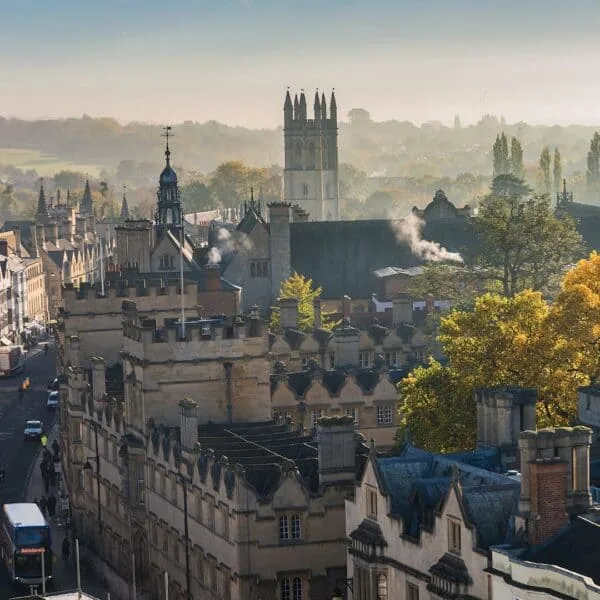
Choose a destination you’re eager to explore or one that aligns with a specific goal (e.g., learning English). If your goal is to improve your English, you can read our page on summer camps in English-speaking countries by clicking this link. This might be the perfect opportunity to learn more about a destination whose history, way of life, and language you’d like to explore further.
4. The activities offered:
Make sure they are varied and appropriate. Sample schedules are often provided to give you an idea of the daily routine.
5. Feedback from past participants:
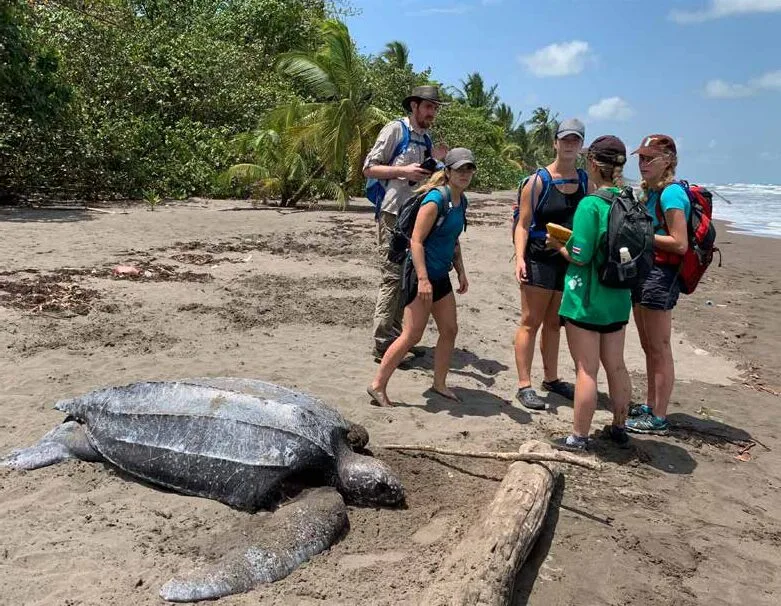
Reading reviews from past participants or parents is a good way to get a sense of what to expect and ensure the program’s quality. To read a testimonial from a former participant in a turtle conservation summer camp in Bali, click here!
Ultimately, summer camp is much more than just a summer getaway—it’s an opportunity to grow, have fun, learn, and discover yourself. Whether you’re looking for a program focused on sports, languages, education, or adventure, there are plenty of options tailored to your needs so you can enjoy an exciting summer camp experience with Freepackers!
A Checklist for a Stress-Free Summer Camp
Here is a comprehensive checklist of things to consider to ensure you’re fully prepared for summer camp:
Accommodations:
Participants must be housed in suitable environments that offer comfort and safety. At most summer camps that provide lodging, young people stay on campus, in dormitories, or even with host families.
Meals:
Check to see if meals are included in the program. Most programs include meals, but it’s important to check the details to avoid any unpleasant surprises.
Language level:
Our programs are open to all language levels. Whether participants are beginners or advanced, the summer camps offer tailored classes and activities. In addition, the staff are often multilingual.
Required equipment:
Make sure you have the necessary supplies, such as sports clothing and equipment, to fully enjoy the experience. The camp often provides learning materials, but be sure to bring a few notebooks and pens.

To participate in a summer camp, you’ll need to set aside a budget to cover your expenses on-site, as well as supervision and logistical costs.
Before committing, be sure to carefully review the prerequisites (language proficiency, age, etc.) and the budget required for the specific mission.
There are many sources of funding available to support student mobility; our team will provide you with all the information you need to complete the necessary steps.